From Influence to Ownership: Why the Creator Economy Is Redefining Brand Collaboration
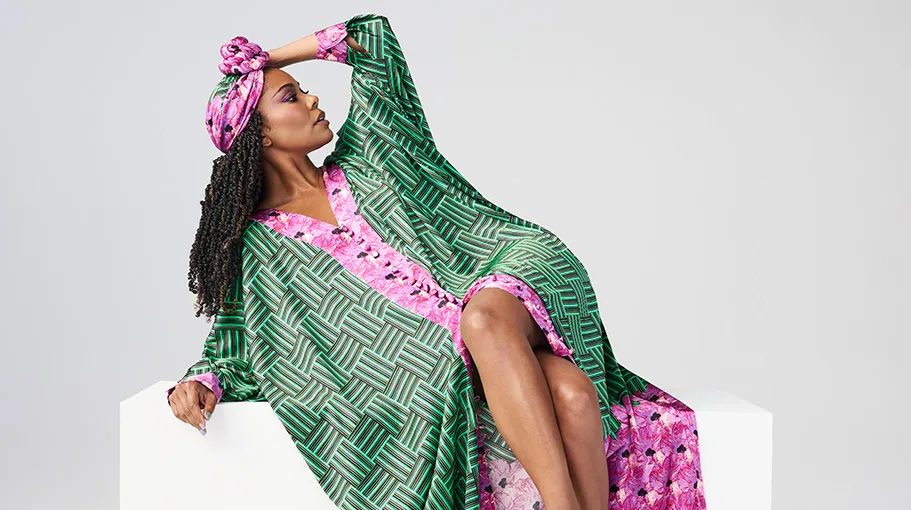
When Mr Price recently unveiled its first co-created fashion collection with South African creator Sphokuhle Ntshalintshali, it was easy to view it as another influencer campaign.
It wasn’t.
It was a signal of a much larger transformation taking place across the global economy—one where creators are no longer hired simply to promote products but are increasingly invited to help build them.
The limited-edition, 17-piece collection represents more than a fashion launch. It represents a strategic shift in how brands think about innovation, culture and collaboration. Instead of asking a creator to endorse a finished product, Mr Price invited Sphokuhle into the creative process, allowing her personal style and community to shape the collection itself.
A New Kind of Deal
For more than a decade, the relationship between brands and creators was relatively straightforward. Brands developed products, agencies built campaigns and influencers marketed the final result. Creators were compensated for their reach, while brands retained ownership of the product, the intellectual property and most of the commercial value.
That model is rapidly changing.
Today, creators are becoming collaborators, creative directors, entrepreneurs and strategic business partners. They are helping shape products from conception to launch and, in many cases, negotiating revenue-sharing agreements, royalties or equity because their contribution extends far beyond marketing.
Creators Now Carry the Culture
The reason is simple.
Creators carry culture.
They don’t simply have audiences – they build communities founded on trust, authenticity and shared interests. They understand emerging trends before they become mainstream, influence purchasing decisions every day and create conversations that traditional advertising often struggles to replicate.
In today’s marketplace, community has become one of the most valuable forms of capital.
The Numbers Are Shifting Too
This is why the balance of power between brands and creators is shifting. Increasingly, creators are participating in the value they help generate, with some global collaborations reportedly seeing creators receive as much as 40% or even 50% of the commercial upside. The creator is no longer just a distribution channel; they are contributing intellectual property, cultural relevance and consumer demand.
Mr Price’s collaboration with Sphokuhle reflects this new reality.
Instead of simply asking her to model or promote a collection, the retailer invited her into the creative process. The result is more than a fashion range – it is a product shaped by someone whose community already trusts her perspective and style.
That distinction matters.
Consumers today are increasingly looking for authenticity. They want products with stories, not just advertisements. A co-created collection allows customers to feel connected to the creative journey rather than simply being sold the finished product.
Global Brands Already Got the Memo
South Africa is beginning to embrace this shift, but globally the movement is already well underway.
In fashion, Adidas transformed its partnership with Pharrell Williams into long-term product collaborations that blurred the line between endorsement and design. Nike’s collaborations with Travis Scott have become cultural events, generating demand driven as much by community as by product design.
The beauty industry has perhaps moved even faster.
Glossier built an entire business around listening to its community before developing products, proving that consumers wanted to participate in creating brands rather than simply buying from them. e.l.f. Cosmetics has become a benchmark for creator-first marketing by working closely with digital creators to shape campaigns, conversations and product relevance. Rare Beauty has demonstrated that when a brand is built around authentic community engagement, customers become advocates rather than simply consumers.
Big Tech Bet on Creators First
Technology companies have recognised the same trend.
YouTube pioneered revenue sharing because it understood that creators are the foundation of its ecosystem. Meta continues investing heavily in creator monetisation and new content experiences because it recognises that the future of digital platforms depends on attracting and retaining creators.
Another compelling example is Amazon’s The Drop. Rather than simply sponsoring creators, Amazon partners with fashion influencers to co-design limited-edition collections that are launched for a short period. The model gives creators a direct role in product development while allowing Amazon to leverage the trust and cultural influence creators have built with their communities. It demonstrates how global brands are moving beyond influencer marketing toward creator-led commerce.
The Model Has Flipped
When viewed together, these examples reveal a profound shift in the relationship between brands and creators.
The old model was transactional.
Brands created. Influencers promoted. Consumers purchased.
The new model is collaborative.
Creators help develop products. Communities validate them. Brands provide scale. Together, they create value.
What This Means for Business
This evolution represents more than a marketing trend. It is a fundamental change in how modern businesses innovate.
For established companies, creator collaborations offer a pathway to cultural relevance in an increasingly fragmented attention economy. For emerging brands, creators represent strategic partners who can accelerate growth by bringing trusted communities rather than simply rented audiences.
The creator economy has entered a new chapter.
It is no longer defined by influence alone.
It is defined by collaboration, ownership and shared value creation.
Mr Price’s partnership with Sphokuhle may have begun as a fashion launch, but its significance extends far beyond retail. It reflects a future where creators are no longer viewed as campaign assets but as business partners capable of shaping products, driving innovation and building communities around brands.