
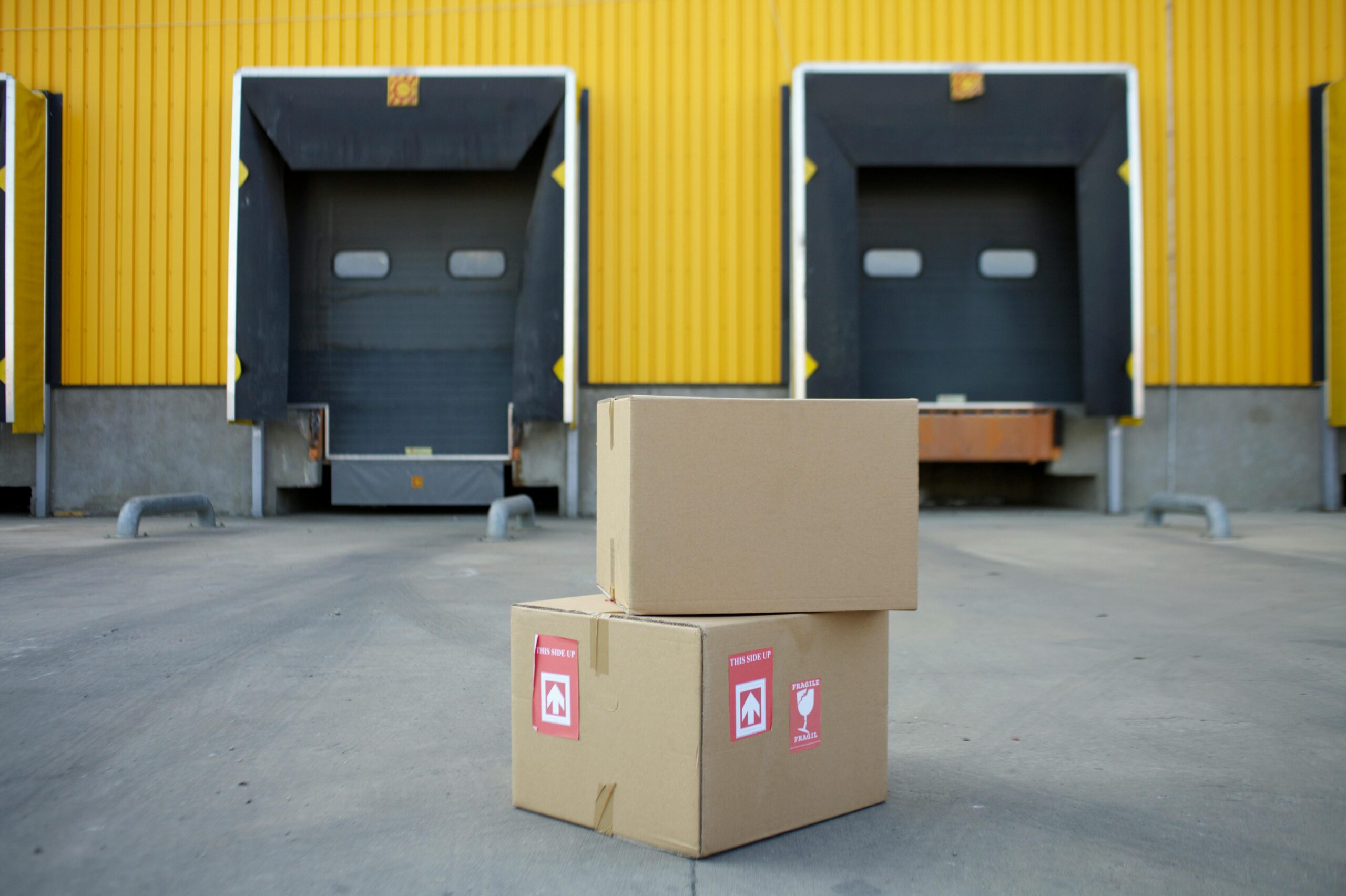
What was once a routine journey for millions of parcels – from factory floors in China to doorsteps in Dubai and Riyadh – is now entangled in geopolitical turbulence. A US-led bombing campaign targeting Iran has unsettled key air and maritime corridors, sending shockwaves through one of the fastest-growing regions in global e-commerce.
For online shoppers across the Gulf, the first visible impact is longer wait times. Logistics tracking data indicates that Temu has extended delivery estimates to as much as 20 days, up from roughly 15 previously. Shein now lists shipping windows of eight to 10 days, compared with five to eight before the escalation. On Amazon, some items are showing delivery timelines stretching to 45 days – about 10 days longer than earlier estimates.
At the center of the disruption lies the Strait of Hormuz, a narrow but critical artery through which a significant share of global trade flows. As tensions intensify, major shipping lines including MSC Mediterranean Shipping Co., A.P. Moller-Maersk and Hapag-Lloyd have suspended or rerouted sailings through the area. Airlines, wary of security risks, are diverting cargo flights, further constraining freight capacity.
The implications extend beyond delayed deliveries. Several Chinese merchants selling through Amazon, Shein and Temu report putting new inventory shipments to the Middle East on hold until conditions stabilize. Freight forwarders warn that if disruptions persist, shipping costs and transit times could double, compounded by rising insurance premiums tied to geopolitical uncertainty.
The timing could hardly be worse. The conflict coincides with Ramadan, traditionally the region’s peak retail season, when consumer spending accelerates across fashion, electronics, home goods and gifts. In recent years, the Middle East has become a critical growth engine for global sellers, driven by a young, affluent population with strong demand for imported brands and products.
Online retail sales across the Middle East and North Africa have expanded at an average annual rate of about 11 percent since 2022, with projections placing the market’s value at $57 billion by 2026. For Chinese exporters navigating shifting US tariff policies and tightening European regulations, the Gulf has offered a comparatively attractive alternative – until now.
The ripple effects are not limited to consumer goods. Indian exporters shipping petrochemicals, agricultural products, pharmaceuticals and automotive components through Gulf transshipment hubs are also likely to encounter delays and higher freight costs.
If instability endures, companies may accelerate efforts to localize inventory, expand regional warehousing, or diversify shipping routes to reduce reliance on vulnerable chokepoints. For the moment, however, a region that had become one of e-commerce’s brightest growth stories is confronting a stark reminder: in global trade, speed depends as much on geopolitics as logistics.


