Founded in 2010, Johannesburg-based Naked Ape has spent over a decade building a design language rooted in sustainable luxury, cultural storytelling, and garments designed to endure.
Naked Ape has been doing the work for over a decade – consistently, and from a clear point of view. As football’s biggest moment turns global attention toward the continent, the timing of its latest release feels less like coincidence and more like convergence.
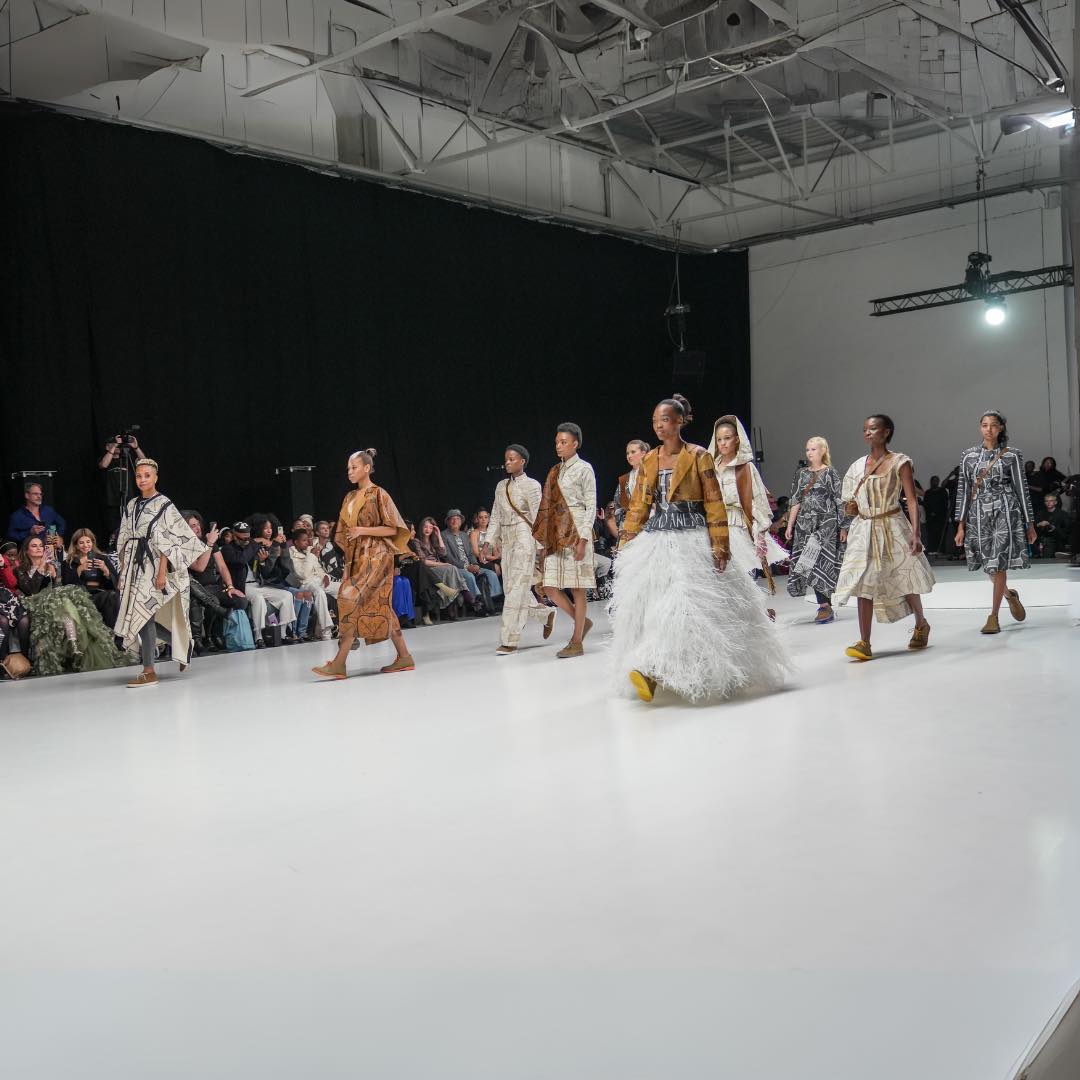
On 23 April 2026, the brand will debut Africa Unite/d: The 48 Collection at South Africa Fashion Week – a body of work named for the 48 nations competing in this year’s tournament, and grounded in a broader idea: that Africa is not a backdrop to global culture, but a protagonist within it.
“Who we are runs deep – our movement, our aesthetic, our way of being starts from a place the world is only beginning to understand,” says founder and creative director Shaldon Kopman.
Naked Ape opts for something more enduring. The decision is deliberate – and increasingly aligned with where both fashion and consumer behaviour are heading.
The Brand
Founded by Kopman, Naked Ape has long operated at the nexus of sustainable luxury, cultural narrative, and functional design – a positioning that once felt niche, but now reads as forward-looking. Central to the brand is a philosophy that has remained unchanged: buy less, wear more.
Rather than designing for momentary impact, the label builds garments for continuity – pieces that transition seamlessly between environments, from stadium to street, without losing relevance. The emphasis is on construction, material integrity, and wearability over time.
This approach reflects a broader recalibration in fashion, where longevity, versatility, and substance are becoming increasingly central to purchasing decisions.
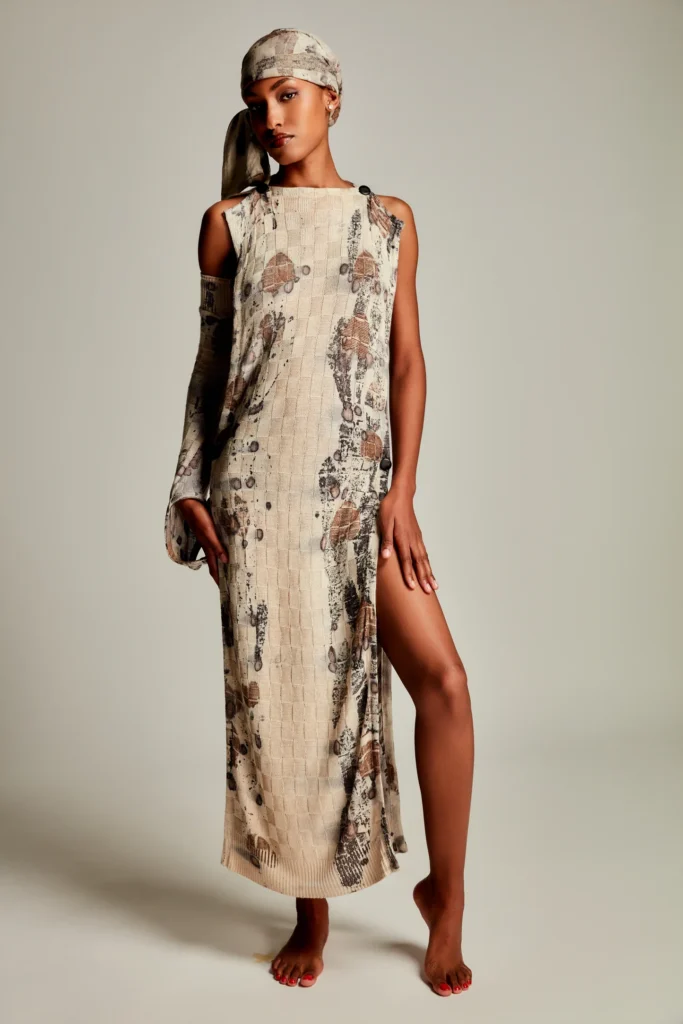
The Material Shift
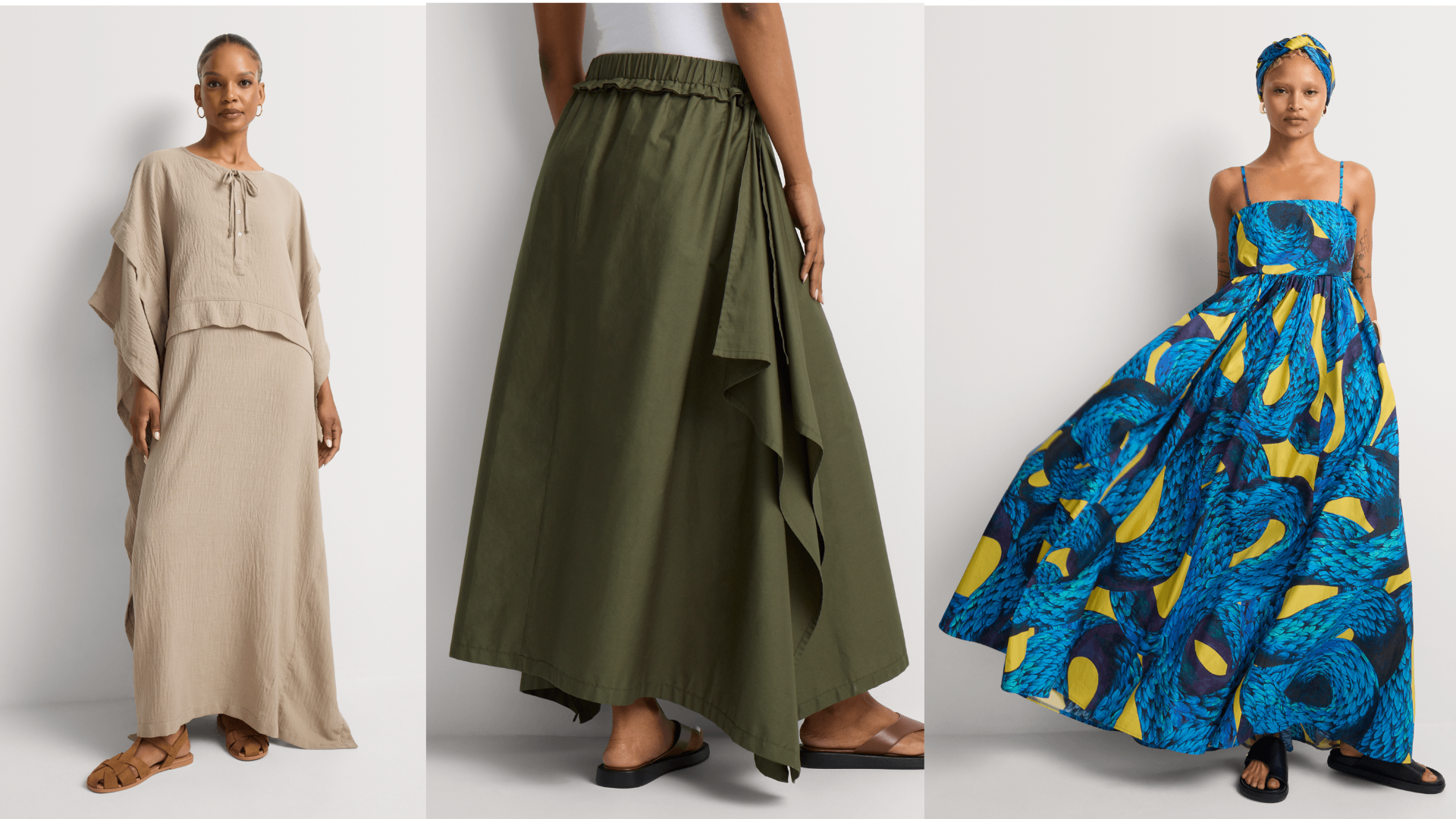
At the core of The 48 Collection is a commitment to natural fibres – bamboo, hemp, linen, and cotton – materials that collectively signal a wider industry evolution.
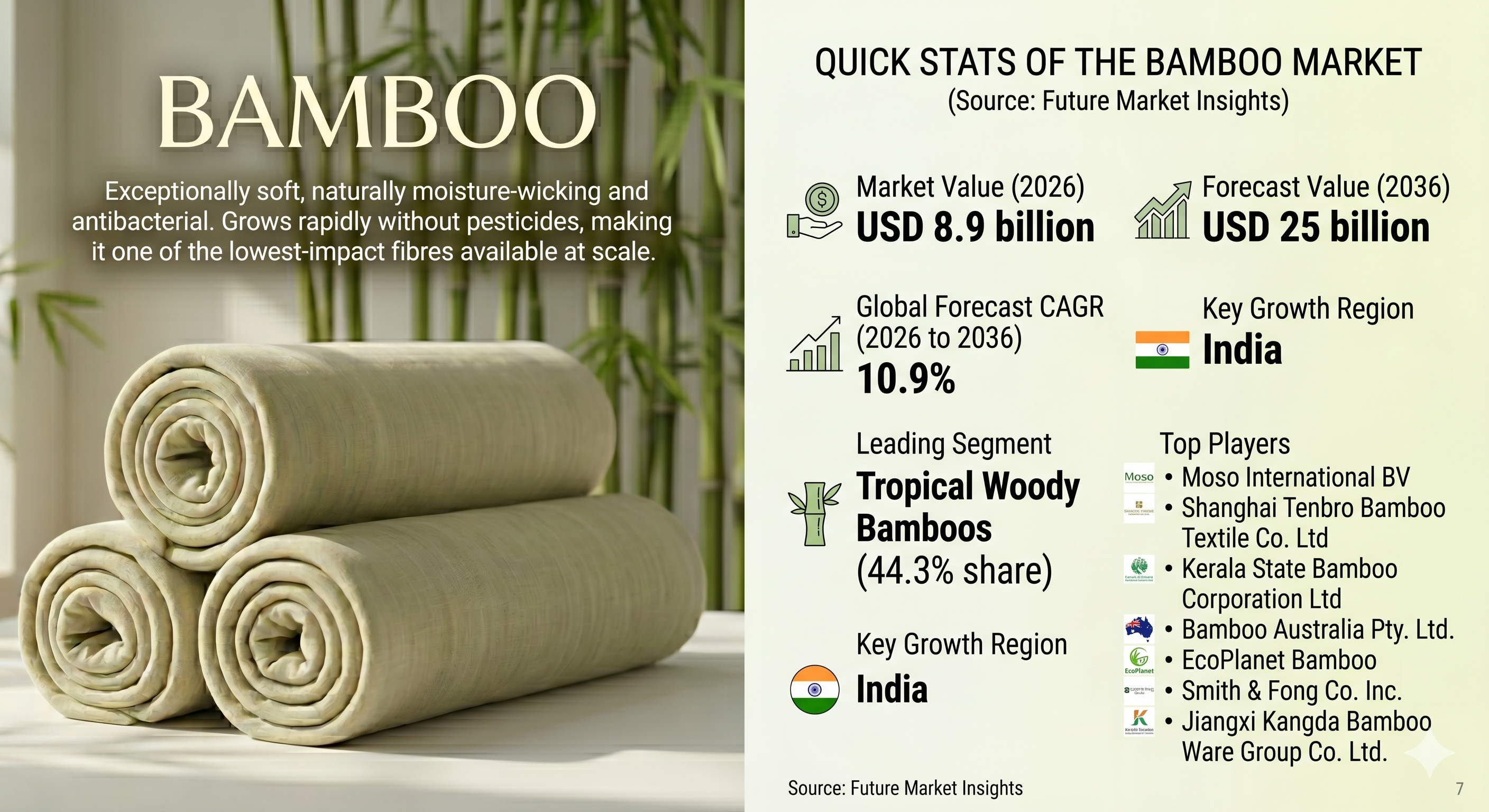

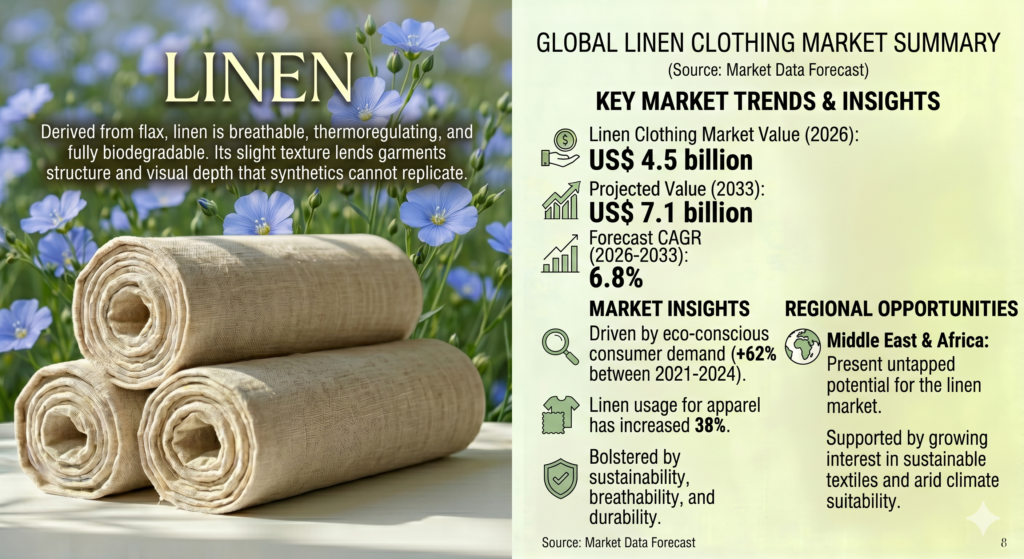
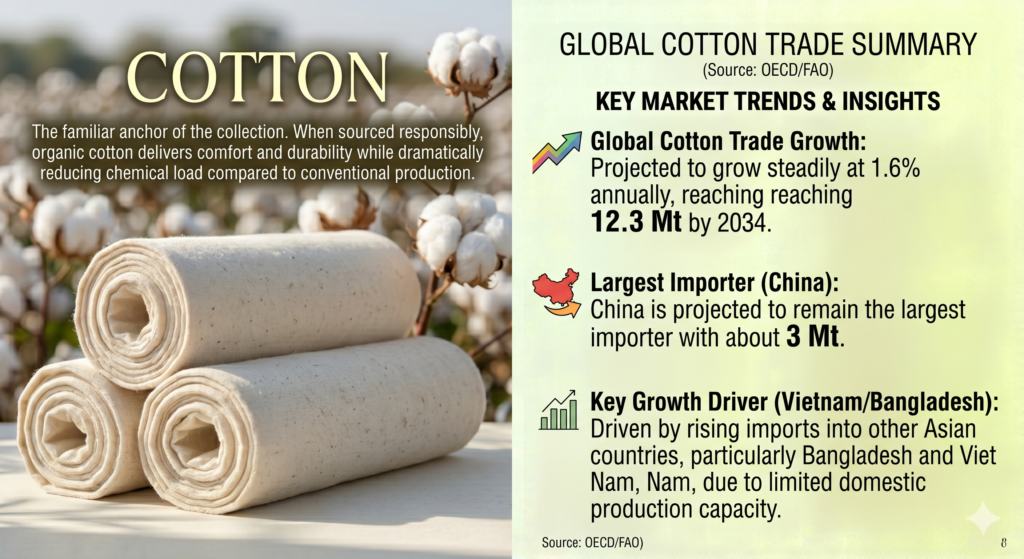
Together, these materials reflect a shift that extends beyond aesthetics. Globally, consumer appetite is increasingly gravitating toward natural fibres – driven by greater awareness of environmental impact, comfort, and long-term garment performance. As customers become more informed about how fabrics behave – from breathability to lifecycle – natural textiles are gaining renewed relevance.
This is not a short-term trend, but a structural movement. Industry data continues to point toward rising demand for sustainable and biodegradable materials, particularly among younger consumers who are placing greater emphasis on transparency and material integrity.
For Naked Ape, this evolution reinforces a direction already taken. The brand’s material choices are not reactive, but foundational – part of a longer-term design philosophy that treats fabric as both functional and expressive.
The Commercial Case
Within the global athleisure market, a more discerning customer is emerging – one focused on garments that deliver across performance, longevity, and meaning. Naked Ape’s positioning speaks directly to this shift.
The 48 Collection is built around what the brand describes as “athletic movement and refined leisure” – pieces that are understated, adaptable, and designed to integrate into everyday life. Rather than relying on overt branding, the collection uses subtle references to national colours, considered silhouettes, and layered construction to communicate its narrative.
This restraint is increasingly resonant. Consumers are placing higher value on clothing that feels intentional – items that hold their shape, maintain their relevance, and offer a sense of connection beyond the point of purchase.
As demand grows for garments made from natural fibres and designed with longevity in mind, brands that have embedded these principles into their DNA are well positioned to scale with that demand.
Africa at the Centre
Africa Unite/d: The 48 Collection extends Naked Ape’s ongoing Africa Unite narrative – a framework built around connection, shared identity, and cultural expression. It positions African fashion not as a peripheral influence, but as a central force within the global industry.
The collection arrives at a moment when representation on the football stage is expanding, with increased participation from African nations reshaping the visibility of the continent in global sport. Naked Ape mirrors that shift in fashion – translating it into garments that speak to unity, presence, and evolution.
The result is a collection that operates on multiple levels: as clothing, as commentary, and as a marker of where the industry is heading.