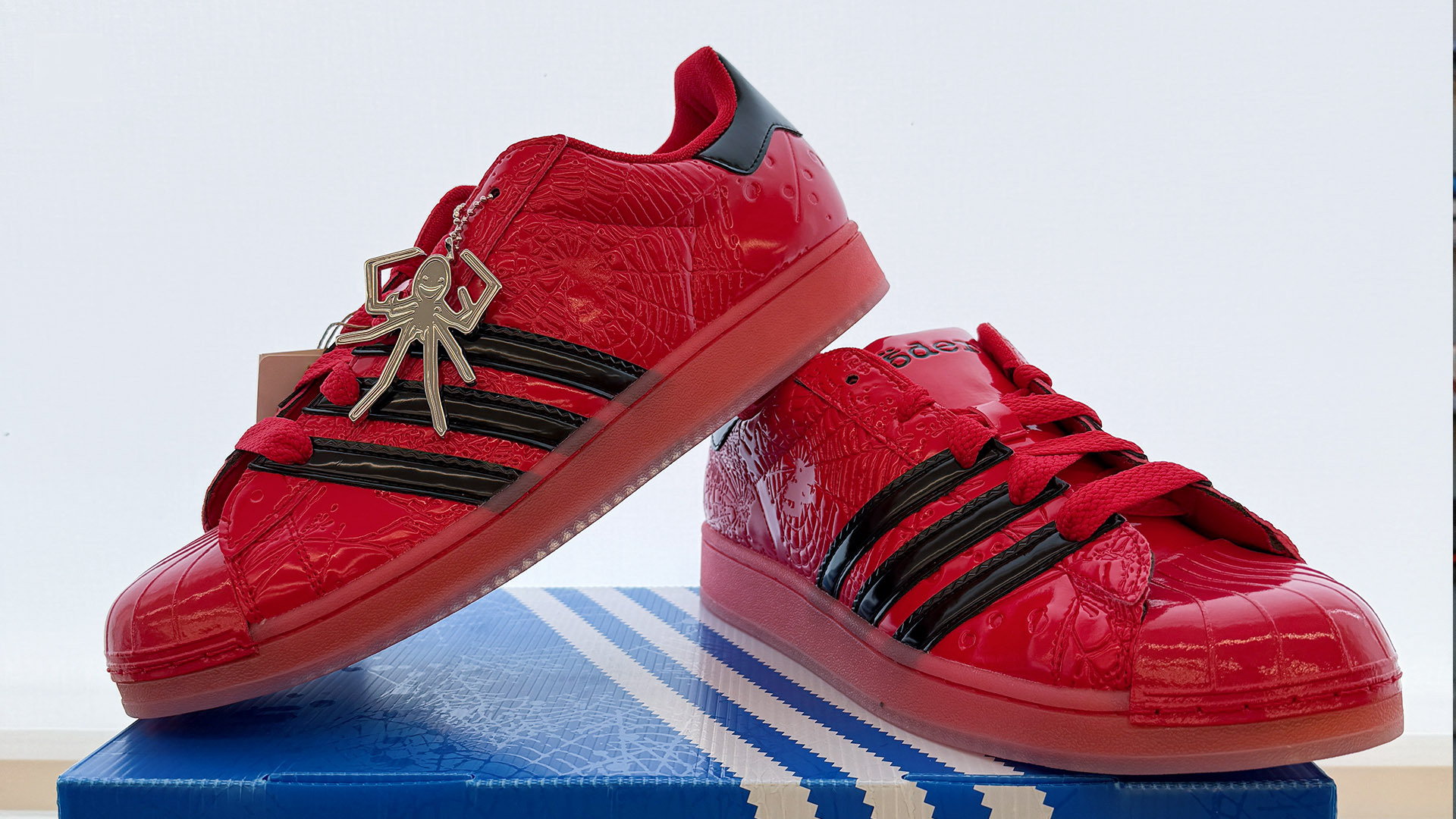
Adidas ended 2025 with the kind of numbers that would have seemed improbable two years ago. Full-year net sales reached €24.81 billion, a record for the Herzogenaurach-based brand, driven by 11 percent growth in Q4 and 13 percent currency-neutral growth across the full year. Operating profit for the year rose 53.8 percent to €2.06 billion. In the fourth quarter alone, it surged 188 percent.
“Driving double-digit growth in the fourth quarter despite all the external turbulence, and more than doubling our operating profit in the quarter made the year end very well,” chief executive Björn Gulden said in a statement.
On Wednesday, Adidas’ supervisory board responded to the results in its own way – extending Gulden’s contract through 2030.
A Rebound That Became a Record
The scale of the 2025 turnaround is hard to overstate. When Gulden took the helm in January 2023, the brand was navigating the fallout from the dissolved Yeezy partnership, a bloated inventory position, and a wholesale strategy that had eroded brand equity. The reset was painful and methodical: tighter distribution, fewer but stronger product franchises, a renewed push into direct-to-consumer, and a deliberate cultural repositioning.
It worked.
Every one of Adidas’ sales territories posted double-digit growth in 2025. Europe and North America – the brand’s two largest markets – each grew 10 percent on a currency-neutral basis. Greater China rose 13 percent. Japan and South Korea climbed 14 percent. The standouts were Latin America, up 22 percent, and Emerging Markets, up 17 percent.
Footwear – the category that built the brand and the one that matters most – grew 12 percent for the full year. Apparel outperformed it, gaining 15 percent, with a particularly sharp fourth quarter: clothing sales were up 20 percent in the final three months of the year. Accessories remained the soft spot, growing just 6 percent.
Q4 revenue came in at €6.08 billion in reported terms, with operating profit for the quarter reaching €164 million.
A More Disciplined Adidas
What differentiates the current moment from previous growth cycles is operational discipline.
Management has emphasized profitability over volume, tightening wholesale relationships and focusing on long-term brand equity. Inventory levels are healthier. Distribution is more selective. Marketing investments are increasingly concentrated around global sporting moments and culturally relevant collaborations.
The reset has created a leaner, more focused organization.
And importantly, the brand’s credibility, particularly in football and sport performance – remains intact.
The Bigger Industry Context
The global sportswear market is entering a new phase. Pandemic-era demand spikes have normalized. Consumers are more value-conscious. Competition is intensifying across both performance and lifestyle segments.
Against this backdrop, Adidas’ ability to deliver double-digit Q4 growth stands out.
Yet the bar has risen. Investors are now measuring not just recovery – but sustained, margin-accretive growth.