A Bet on the Future of Resale – Amid Layoffs and Restructuring
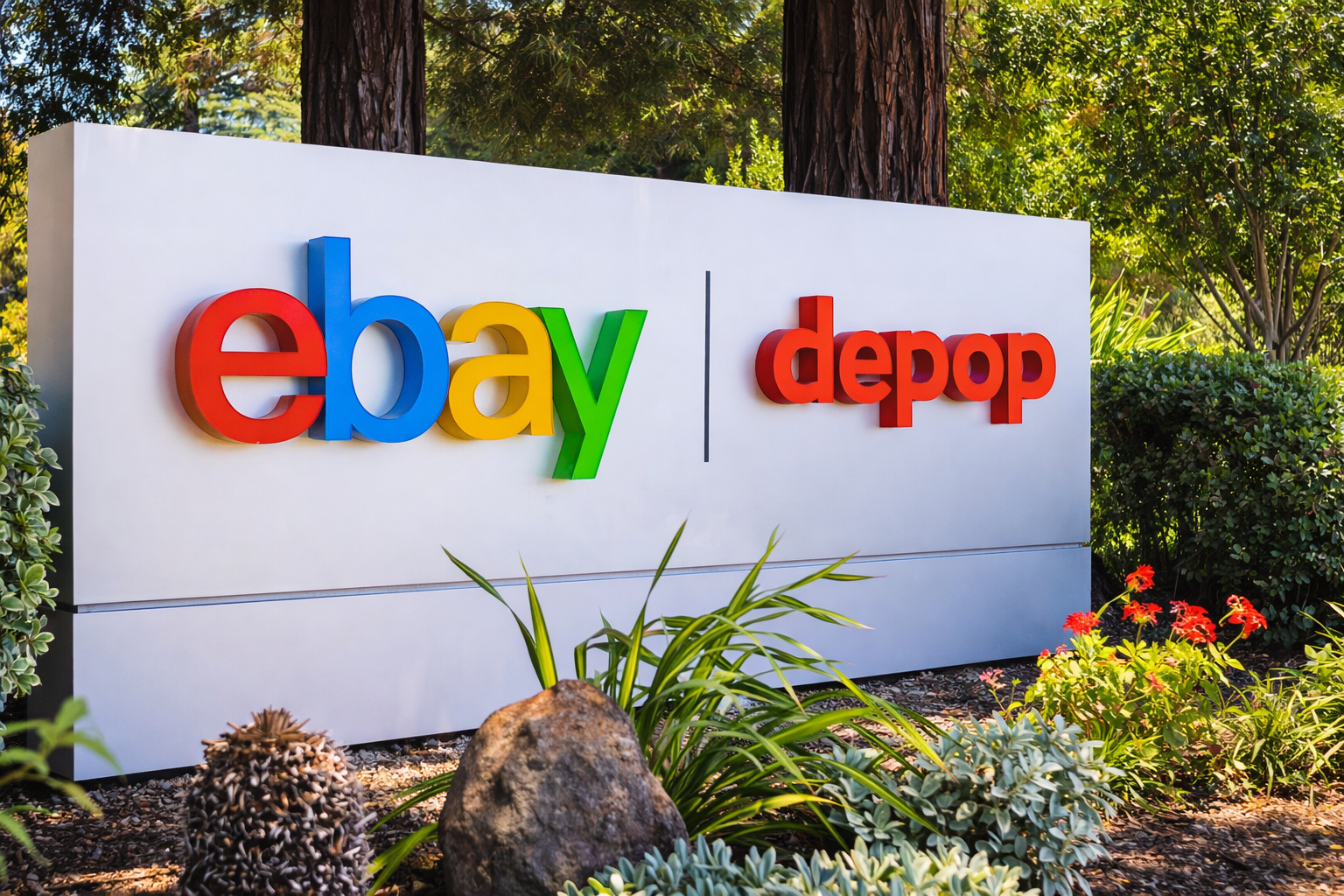
In a significant move in the global resale market, eBay has agreed to acquire Depop from Etsy in a deal valued at approximately $1.2 billion. The acquisition signals eBay’s renewed push to dominate recommerce – the fast-growing sector focused on secondhand goods – while also raising questions about timing, strategy, and workforce reductions following the announcement.
This deal is more than just another corporate transaction. It represents a generational pivot, a strategic recalibration, and a moment of tension inside one of the internet’s oldest e-commerce companies.
Who Is eBay?
Founded in 1995 by Pierre Omidyar, eBay was one of the pioneers of online marketplaces. Originally built as an auction platform connecting individual buyers and sellers, it helped define peer-to-peer commerce in the early internet era. Over three decades, eBay evolved into a global marketplace operating in over 190 markets, facilitating billions in annual gross merchandise volume across categories like electronics, collectibles, fashion, and auto parts.
However, in recent years, eBay has faced intensifying competition from Amazon, fast-fashion marketplaces, niche resale apps, and emerging social commerce platforms. While it remains profitable, its growth has been slower than some competitors, prompting leadership to refocus on core strengths – including resale and circular fashion.
Who Is Depop?
Depop, founded in 2011 in Italy before relocating its headquarters to London, built its brand as a social-first fashion resale app. The platform blends elements of Instagram and eBay, allowing users to follow sellers, curate shops, and build personal brands.
Depop’s core customer base is overwhelmingly young: around 90% of its users are under 34, with a particularly strong Gen Z presence. The app thrives on streetwear, vintage, DIY fashion, and independent creators. Unlike traditional marketplaces, Depop is not just transactional – it’s cultural. Trends are born there. Micro-entrepreneurs build followings. Fashion becomes identity.
In 2021, Etsy acquired Depop for $1.6 billion, hoping to expand into younger demographics. However, growth slowed amid post-pandemic normalization and broader tech sector pressures, leading Etsy to eventually divest the platform.
Why Is eBay Buying Depop?
For eBay, the rationale is strategic and generational.
First, fashion resale is one of the fastest-growing segments in e-commerce. Younger consumers are increasingly motivated by sustainability, affordability, and individuality – all strengths of the resale model.
Second, Depop offers something eBay historically struggles with: cultural relevance among Gen Z. While eBay is widely known, it is not always perceived as “cool.” Depop, by contrast, is embedded in youth fashion culture.
Third, the acquisition strengthens eBay’s position in consumer-to-consumer (C2C) commerce. While eBay already supports peer sellers, Depop’s mobile-native, community-driven model could inject fresh energy into its ecosystem.
eBay has stated that Depop will continue operating as a standalone brand, preserving its identity while benefiting from eBay’s scale, payments infrastructure, and operational expertise.
Layoffs and Restructuring at eBay
The optimism around the acquisition was quickly tempered by another announcement: eBay will cut approximately 800 jobs – about 6% of its global workforce.
According to the company, the layoffs are part of a broader restructuring strategy designed to streamline operations and reallocate resources toward future priorities, including artificial intelligence, platform innovation, and high-growth segments such as resale fashion.
eBay leadership has emphasized that the reductions are intended to make the organization more focused and agile. However, the proximity of the layoffs to the Depop acquisition has drawn scrutiny. Critics question whether cost-cutting is helping finance the deal, or whether the company is attempting to offset slowing revenue growth.
This is not an isolated event. eBay also conducted workforce reductions in 2023 and 2024, signaling a longer-term transformation effort. The broader tech sector has experienced similar recalibrations, but repeated layoffs inevitably affect morale and raise concerns about strategic stability.
Lessons from Etsy’s Depop Era
To understand how this acquisition might unfold, it is helpful to look at how Depop fared under Etsy’s ownership.
Etsy acquired Depop in 2021 during a pandemic-driven e-commerce boom. At the time, the strategy seemed logical: Etsy specialized in handmade and vintage goods, and Depop brought a younger, fashion-oriented audience.
However, integration proved complex. Etsy’s core audience differs significantly from Depop’s Gen Z base. As macroeconomic conditions shifted and online spending cooled, Depop’s growth slowed. Eventually, Etsy chose to refocus on its core marketplace and divest non-core assets.
The lesson: cultural alignment matters as much as financial logic. Depop’s identity is distinct and delicate. Over-integration risks diluting what makes it appealing.
How Might This One Go?
eBay arguably has stronger structural alignment with Depop than Etsy did. Both companies are rooted in resale and peer-to-peer commerce. eBay’s infrastructure, logistics expertise, and global scale could enhance Depop’s operational efficiency without necessarily altering its brand.
The key risk lies in balance. If eBay allows Depop to retain creative independence while providing back-end support, the deal could strengthen both platforms. If, however, corporate restructuring or monetization pressures reshape the user experience too aggressively, it could alienate Depop’s core audience.
Meanwhile, the layoffs add another layer of complexity. Transformations are difficult under the best circumstances. Executing a youth-focused acquisition while reducing staff will test leadership’s ability to communicate vision and maintain internal cohesion.
A Defining Moment for Recommerce
The resale market continues to grow as consumers seek sustainable and affordable alternatives to fast fashion. By acquiring Depop, eBay is signaling that recommerce is not a side category – it is central to its future.
Whether this becomes a revitalization story or another cautionary tale depends on execution. The generational shift in shopping habits is real. The question now is whether eBay can evolve quickly enough to meet it – without losing the cultural authenticity that made Depop valuable in the first place.
The stakes are high, not just for shareholders, but for the millions of young entrepreneurs and fashion enthusiasts who have built communities on Depop’s digital marketplace.