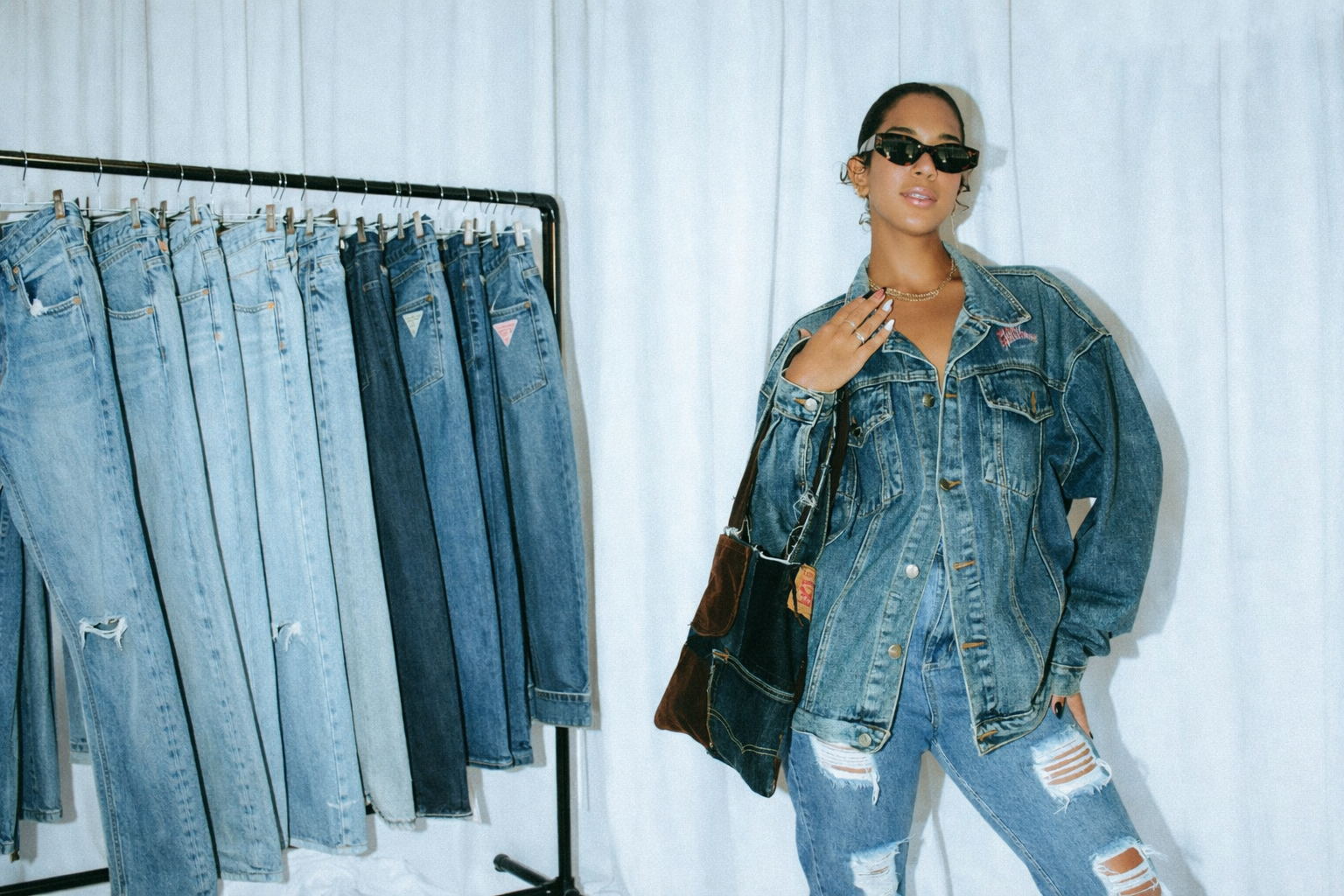
When Authentic Brands Group announced it would acquire a majority stake in Guess?, the deal appeared to mark yet another heritage brand changing hands. But behind the headline was a transaction more than a year in the making – and a signal of how power in fashion is continuing to shift away from traditional operators toward brand owners focused on intellectual property.
The deal, which gives Authentic control of Guess’ intellectual property while taking the company private, brings one of the most recognisable names in global denim into a portfolio already packed with heritage brands. It also underscores the growing dominance of brand management firms in shaping the future of fashion, particularly for legacy labels navigating a volatile retail landscape.
A Brand-Building Powerhouse
Founded in 2010 by Jamie Salter, Authentic Brands Group has spent the past decade and a half quietly reshaping the economics of fashion. Unlike traditional apparel companies, Authentic does not design, manufacture or operate stores. Its business is brand ownership: acquiring intellectual property, controlling brand strategy and monetising names through licensing and partnerships across categories and geographies.
That model has allowed Authentic to amass a portfolio spanning fashion, sports, lifestyle and entertainment, including Reebok, Champion, Brooks Brothers, Juicy Couture, Nautica and Forever 21. Collectively, Authentic’s brands generate tens of billions of dollars in annual retail-equivalent sales worldwide.
The acquisition of Guess fits squarely into this strategy. With global recognition, decades of brand equity and a broad international footprint, Guess represents the kind of scalable, culturally embedded asset Authentic is built to maximise.
Guess at a Crossroads
Founded in 1981 by the Marciano brothers, Guess rose to prominence through its sexy, image-driven advertising and became a defining brand of American fashion in the 1980s and 1990s. Over time, it expanded into accessories, footwear and lifestyle categories, building a global wholesale and retail network.
But like many mid-market fashion brands, Guess has faced mounting pressure in recent years. Public markets have grown less forgiving of apparel companies grappling with rising costs, uneven consumer demand and the structural challenges of wholesale and brick-and-mortar retail. While Guess remained profitable and globally relevant, its stock performance reflected investor scepticism about long-term growth in a crowded, fast-moving fashion landscape.
Taking the company private removes those pressures. It also allows Guess to pursue longer-term brand and geographic strategies without the scrutiny of quarterly earnings cycles.
How the Deal Works
Under the terms of the transaction, Authentic Brands acquires a 51 percent stake in Guess’ intellectual property and licensing rights. The Marciano family and Guess’ management retain a 49 percent stake and continue to run day-to-day operations, including design, sourcing and retail execution.
This split structure has become a familiar template for Authentic. By separating brand ownership from operations, the group gains control over long-term brand direction while leaving execution to teams with deep category expertise.
For Guess, the partnership provides access to Authentic’s licensing infrastructure, global partner network and experience in extending brands into new categories and markets.
A Strategic Play, Not a Rescue
While the deal may read as a rescue of a struggling brand, insiders frame it differently. Guess was not in crisis, but it was constrained by the realities of being a publicly traded apparel company at a moment when investors have largely lost patience with the sector.
Authentic’s involvement offers a reset. The company has repeatedly positioned itself as a steward of legacy brands, arguing that many labels with deep cultural resonance are undervalued when judged solely by short-term retail performance.
In that sense, the acquisition is less about fixing Guess and more about unlocking its next phase – particularly in international markets and non-core categories where licensing can drive high-margin growth.
A Broader Industry Signal
The Guess deal highlights a broader shift underway in fashion. As operating apparel businesses become more capital-intensive and volatile, intellectual property is emerging as the most valuable asset. Brand management firms like Authentic are betting that consumer attachment to familiar names will outlast changes in how, where and by whom products are made.
For Authentic, Guess strengthens an already formidable portfolio and reinforces its ambition to build one of the world’s largest collections of global consumer brands. For Guess, the move offers insulation from market turbulence – and a chance to evolve under an owner singularly focused on brand value.