
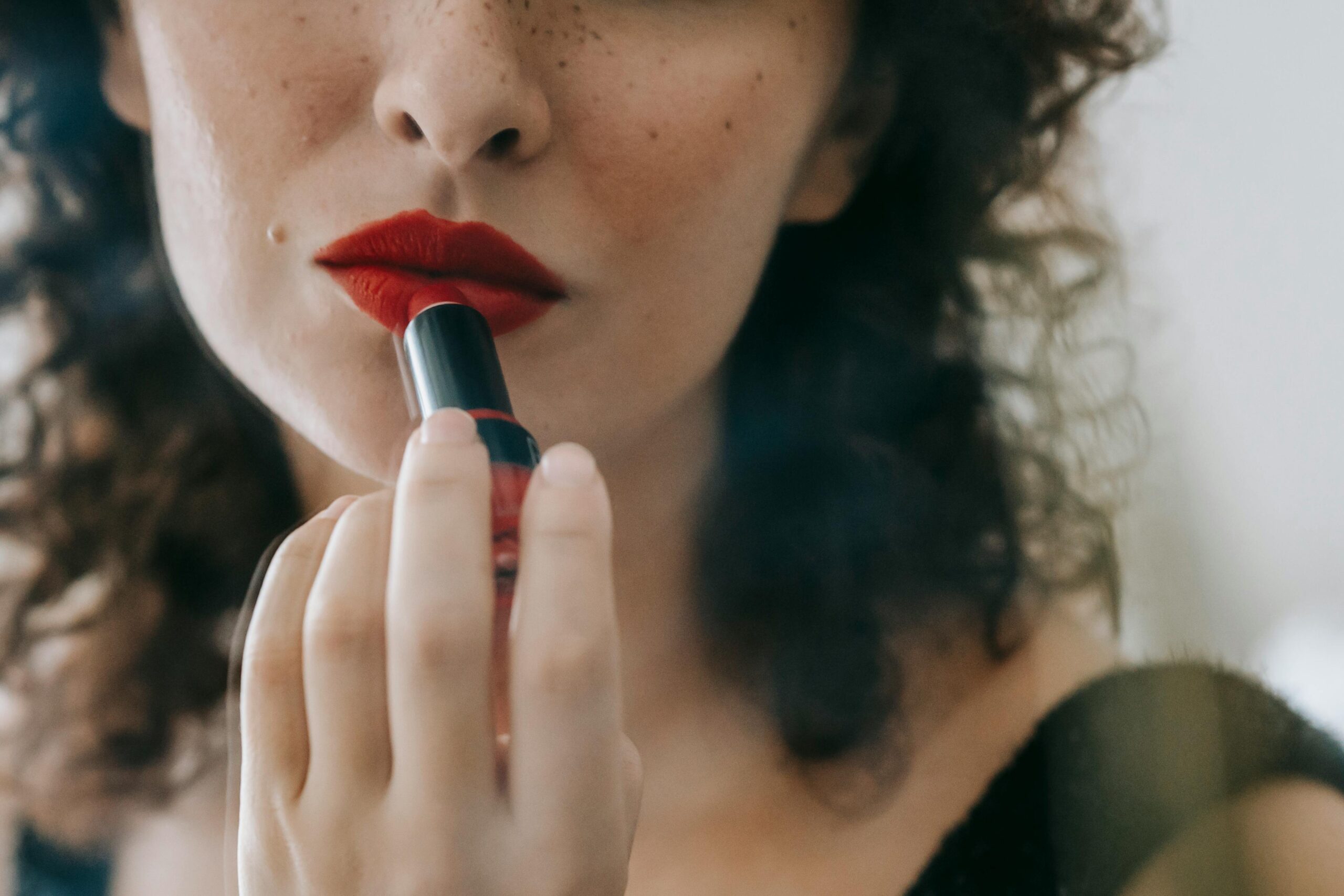
For decades, Valentine’s Day has been synonymous with romantic love, a retail holiday built on couples exchanging gifts, flowers, and chocolates. But a significant shift is underway. Fashion and beauty brands are increasingly moving away from traditional couple-centric narratives, with some skipping overt Valentine’s campaigns altogether while others target the burgeoning market of singles and self-love. This isn’t a rejection of romance. It’s a strategic recalibration to align with evolving societal values and untapped economic potential, drawing clear parallels to Asia’s wildly successful Singles’ Day.
The Rise of the Solo Spender
The pivot away from conventional Valentine’s Day marketing reflects changing demographics and consumer psychology. Traditional romantic campaigns alienate a substantial portion of the population, and brands are taking note. Single individuals represent a growing segment with significant purchasing power and appetite for self-gifting. According to the U.S. Census Bureau, non-family households, primarily individuals living alone, now constitute approximately 36% of all U.S. households, up sharply from 19% in 1970. This demographic, often with considerable disposable income, presents a lucrative opportunity that traditional Valentine’s messaging largely overlooks. Celebrating individual well-being and self-indulgence resonates more broadly, fostering deeper connections with a diverse customer base.
The strategy finds inspiration in China’s Singles’ Day, or “Double 11,” now the world’s largest online shopping event. What began as an anti-Valentine’s celebration for single people has evolved into a global retail phenomenon, generating $84.5 billion in sales for Alibaba alone during its 2021 event. The core principle, empowering individuals to celebrate themselves through consumption, is now being adapted by Western brands. Companies are finding that consumers, regardless of relationship status, are increasingly motivated by personal gratification and self-care. Marketing campaigns are shifting from suggestive hints for partners to direct encouragement for self-purchase, framing luxury items, beauty treatments, and fashion pieces as investments in personal happiness rather than tokens of affection.
For some brands, particularly in the premium beauty and luxury sectors, skipping traditional Valentine’s Day campaigns entirely is a deliberate move to avoid holiday fatigue and maintain brand integrity. Some labels view overly thematic, red-and-pink campaigns as diluting their year-round sophisticated aesthetic. Brands like Rhode and Summer Fridays often bypass specific Valentine’s collections in favor of consistently promoting their products as essentials for year-round self-care. This approach allows them to connect with consumers on a deeper, more enduring level, transcending seasonal trends and aligning with sustained consumer interest in wellness and personal growth that has accelerated post-pandemic.
Other brands are leaning into the self-love economy with targeted campaigns celebrating singledom, friendship, and personal well-being. This manifests in “Galentine’s Day” promotions, self-gifting guides, or collections focused on personal pampering and confidence-boosting products. The global self-care market, valued at approximately $450 billion in 2020, is projected to grow significantly, validating the strategic pivot. Lush Cosmetics has been a pioneer in this space, often framing February launches around solo bathing rituals and mental wellness. SKIMS, while still using romantic imagery, has mastered the art of the “self-gift,” using high-profile stars to sell loungewear marketed as much for a “night in alone” as for a date. Even luxury giants are broadening the definition of love. Fendi and Versace have released campaigns emphasizing “love for whoever,” focusing on friendship and individual style, while Swarovski has experimented with interactive digital campaigns allowing users to tailor their shopping experience based on relationship status.
The shift is underscored by powerful economic data. The National Retail Federation reported that Valentine’s spending hit a record $27.5 billion in 2025. While much of this remains romantic, a significant portion is driven by self-care, with nearly 30% of non-celebrants still marking the day by treating themselves.
The Mzansi Shift: From Romantic Obligation to “Dopamine Dates”
In South Africa, this uncoupling is even more pronounced, driven by a strong local move toward individual wellness and the experience economy. According to the Mastercard Love Index, sentimental spending in South Africa has surged 142% over the last decade, yet the focus has shifted from “him and her” to “me and myself.” Urban centers like Johannesburg and Cape Town are seeing a rise in solo spa retreats and “dopamine dates,” where consumers treat the day as a vital mental health break. In the digital space, Mr D Food has noted significant upticks in solo orders for luxury sushi and desserts, a clear indication that “treating yourself” has become the new local standard.
The self-gifting trend is particularly dominant among South African women and Gen Z. A 2025 consumer report indicates that 40% of South African women now plan to buy their own Valentine’s gift, with 62% of Gen Z prioritizing personal treats over traditional romance. Local retailers are pivoting quickly. Woolworths has embraced “Self-Care = Self-Love” marketing and standalone beauty stores focused on skin rituals, while TFG continues to expand its lifestyle and specialized beauty segments through platforms like Bash. For the discerning South African consumer, Valentine’s Day has evolved from a search for a partner to a celebration of personal sovereignty.
For the modern fashion consumer, February 14th is no longer about waiting for a gift. It’s about the sovereignty of the spend. Whether it’s a skincare set from a carefully curated “Self-Love” edit or a solo investment in a designer piece, the message is clear: the most enduring relationship you have is with yourself. As brands continue to pivot, expect the “Valentine” label to slowly fade, replaced by a permanent season of self-care and individual empowerment.


