
Fashion has spent much of the last decade in a state of self-examination – grappling with overproduction, digital disruption, cultural relevance and economic volatility. Against that backdrop, 2025 did not deliver miracles, but it did deliver something arguably more important: evidence that the industry can move forward with intention.
Across luxury, independent fashion, beauty and retail – and across regions often overlooked – there were meaningful signs of progress. Not loud revolutions, but steady, confidence-building shifts. Here are the stories that defined the year.
Independent Fashion Found Its Footing
In 2025, many independent brands stopped chasing scale as the ultimate marker of success. Instead, designers focused on financial sustainability, community loyalty and creative autonomy. Smaller labels embraced limited runs, pre-orders, local manufacturing and direct-to-consumer models that reduced risk and preserved margins. Profitability – once treated as incompatible with ethics – became achievable without compromising values. The result was a quieter but more resilient independent fashion ecosystem, less reliant on wholesale dependency or trend volatility.
Retail Became Cultural Again
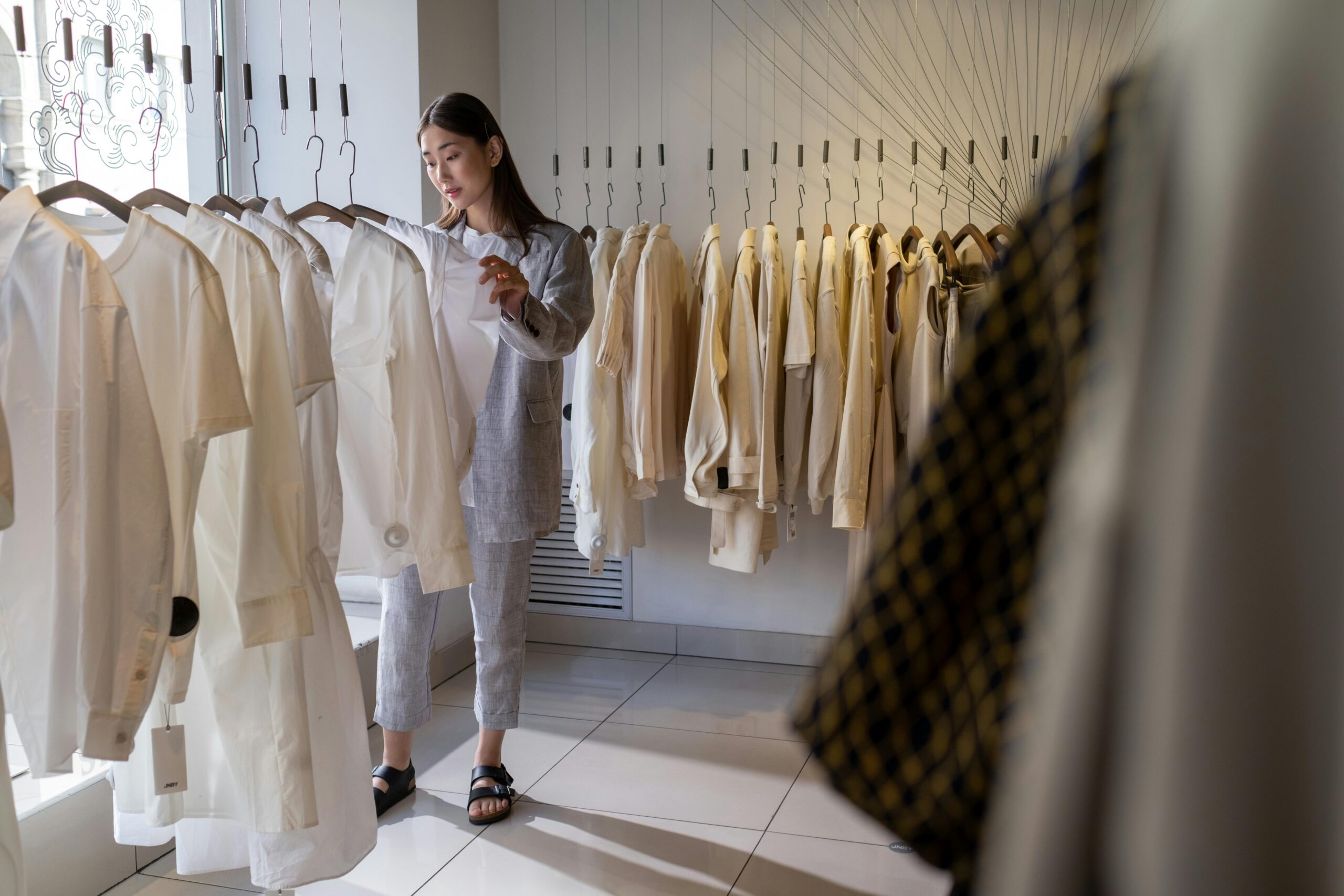
Physical retail experienced a notable recalibration. Rather than attempting to compete with e-commerce on convenience alone, stores leaned into experience, culture and locality. Concept spaces doubled as galleries, bookstores, cafés and event venues. High streets that had struggled for years – including London’s Oxford Street – saw renewed confidence through pedestrianisation and fresh store openings. In a world saturated with digital touchpoints, retail spaces that offered meaning, intimacy and storytelling proved their enduring relevance.
Luxury’s Best Performers Stayed the Course
While growth remained uneven across luxury, several major houses demonstrated that discipline still pays off. Chanel emerged as one of the fastest-growing luxury brands globally in 2025, reinforcing the strength of timeless product categories and controlled distribution. Hermès continued to outperform peers by resisting overproduction and maintaining uncompromising craftsmanship. Prada Group benefited from creative clarity and strong retail execution across key markets. Rather than chasing novelty, these brands reaffirmed the power of heritage, restraint and consistency.
Beauty Outperformed Fashion – Again
Beauty remained the most resilient category within the broader fashion ecosystem. Companies including L’Oréal, Estée Lauder Companies, Fenty Beauty and Rare Beauty continued to deliver strong performance through a combination of cultural relevance, inclusive product development and agile digital strategies. Beauty’s ability to respond quickly to consumer sentiment – and to balance aspiration with accessibility – reinforced its position as both a growth engine and a cultural barometer for the wider industry.
Secondhand Entered the Mainstream Proper
If resale once sat at the margins, 2025 confirmed its place at the centre of fashion’s future. Luxury brands expanded their own resale platforms, while curated vintage stores and peer-to-peer marketplaces repositioned secondhand as aspirational, emotional and collectible. Consumers no longer viewed resale as a compromise, but as a form of self-expression – and increasingly, as a smarter way to buy luxury. Circularity became less about messaging and more about behaviour change.
Fashion Technology Grew More Intentional
After years of hype, fashion technology matured in 2025. Brands adopted AI and digital tools not for spectacle, but for function: demand forecasting, product discovery, styling and personalisation. Platforms such as Daydream and DRESSX illustrated how technology could enhance creativity and consumer engagement without replacing human decision-making. The most effective tech was, paradoxically, the least visible.
Africa Asserted Its Place in the Global Industry
Africa’s fashion and retail story in 2025 was defined by structure, investment and confidence – not trend-driven visibility. Lagos Fashion Week, backed by strategic partners including the Africa Finance Corporation, strengthened its role as a platform for African manufacturing, sustainability and creative infrastructure. Designers such as Thebe Magugu, Maki Oh, Maxhosa Africa and Tongoro continued to gain international recognition while remaining rooted in cultural storytelling. Fashion incubators and cross-border initiatives supported emerging designers with funding, mentorship and global access. Crucially, African fashion was no longer framed as “emerging” – but as contributing.
South African Retail Groups Delivered Real Growth
South Africa offered one of the clearest examples of fashion retail resilience in 2025. Pepkor, the country’s largest clothing retailer, reported strong profit growth, expanded its store network beyond 6,000 locations and strengthened its portfolio through strategic acquisitions including Legit, Style and Swagga. Value-focused brands such as PEP and Ackermans posted solid performance in challenging economic conditions. The Foschini Group (TFG) continued to grow its omnichannel ecosystem through its Bash platform, integrating physical and digital retail across a diverse brand portfolio. Mr Price Group reached the milestone of 3,000 stores, reinforcing its position as a dominant mid-market fashion player. These results underscored the power of local relevance, affordability and operational discipline.
Localisation Replaced Global Uniformity
Global brands finally accepted that success in 2025 required cultural specificity. Product assortments, marketing and retail strategies were increasingly tailored by region, rather than rolled out uniformly. From Asia to Africa to Europe, localisation helped brands feel more human – and less corporate – in markets where consumers expect authenticity.
Fashion Reclaimed Joy
Perhaps most importantly, fashion remembered how to be enjoyable again. Designers embraced colour, playfulness and experimentation. Retail experiences became lighter. Beauty leaned into optimism and self-expression. After years of crisis-driven narratives, the industry allowed itself moments of relief.
A Measured Optimism
2025 did not fix fashion – but it restored belief. Belief that independent brands can survive without losing integrity. Belief that luxury can grow without sacrificing craft. Belief that Africa is shaping the future, not waiting for validation. Belief that fashion, retail and beauty still matter – because they are deeply human industries. In a year defined less by spectacle and more by substance, that may be the strongest trend of all.


