

Fashion isn’t just fabric sewn together – it’s one of the strongest tools we have for expressing who we are, signaling our belonging to peers, and navigating social worlds. But what happens when the clothes that once felt like home suddenly feel foreign?
Many women experience a new kind of wardrobe challenge in their late 20s and early 30s – a phase I call “fashion paralysis.” It’s that moment when the outfits that once felt effortless no longer feel right, yet true personal style still seems just out of reach. This isn’t just about clothes. It’s about identity – and that’s why it’s universal, yet rarely talked about.
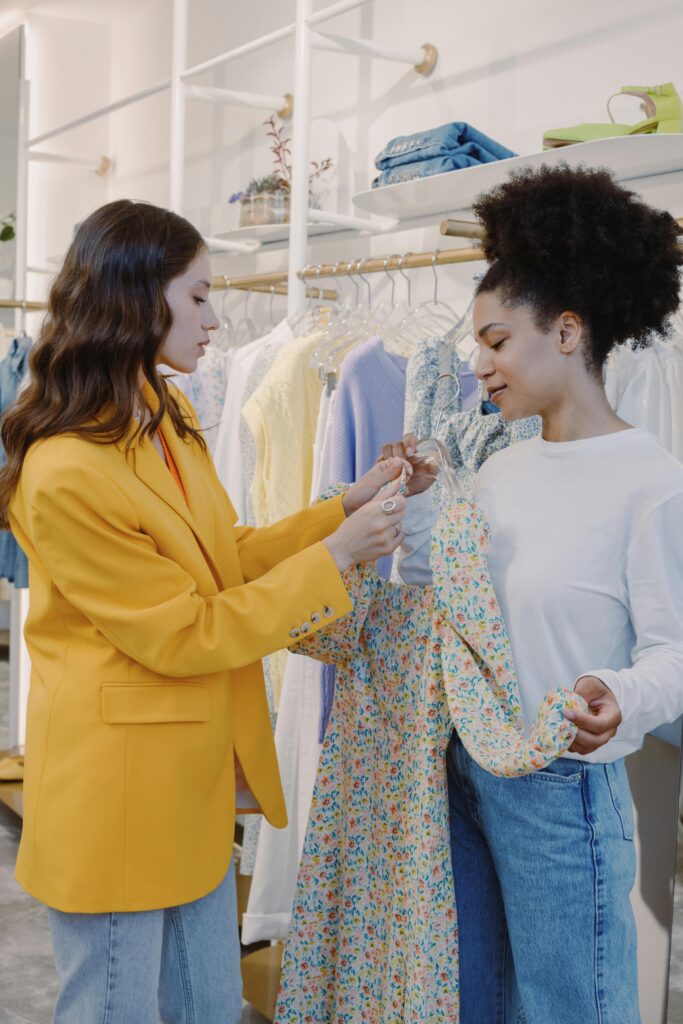
Why Fashion Paralysis Happens
1. Identity Isn’t Fixed – It Evolves
A substantial body of research shows that identity continues to reorganize well into adulthood, not just in adolescence. Women who transition from their early 20s to their 30s often experience shifts in roles – in careers, relationships, and social expectations – and this affects their self-concept. This isn’t some trivial change: it’s a psychological restructuring of who you are and who you want to be.
2. Clothes Are Social Signals – Not Just Personal
Clothing is more than a physical layer – it functions as a social signal. It tells others who we think we are, how we fit in, and what group we belong to. Researchers describe fashion as a way we express our identity and evoke belonging in social contexts. In your early 20s, outfits like crop tops, mini skirts, distressed jeans, or trend-heavy looks aren’t just choices – they’re visual badges of youth and belonging. They send the message: “I’m part of this crew, this vibe, this cultural moment.” When you step away from those uniform styles, you’re not just changing clothes – you’re shifting social language.
3. Self-Concept and Fashion Are Deeply Linked
Fashion researchers have found that a woman’s self-concept – the mental picture she has of herself – strongly influences and is influenced by her clothing choices. Women with a confident sense of self often explore fashion more freely, yet even women who don’t feel confident about themselves can express independence through fashion as they seek social acceptance or personal meaning. That means fashion paralysis can strike whether you feel confident or insecure – it’s the struggle between “who I think I am” versus “who society says I should be.”
Why It Hits Hardest From Your Late 20s to 30s
1. The Social Signal Changes
In your early 20s, fashion trends and peer groups often reinforce each other. Trends are social glue. As women enter their late 20s and early 30s, priorities shift – careers, relationships, bodies, and responsibilities evolve. Clothes that once communicated belonging now feel outdated or out of sync with who you’re becoming. This dissonance is exactly where fashion paralysis thrives.
2. The Industry Still Markets Youth
Many women report feeling invisible in fashion well before conventional “middle age.” A survey found that women begin to feel overlooked socially around age 36, and that many blame fashion’s focus on youthful aesthetics for this sense of invisibility. That tells us something vital: fashion doesn’t just decorate the body; it participates in how society sees us. When the media and brands tell you “this doesn’t belong to you anymore,” it doesn’t feel like clothing – it feels like erasure.
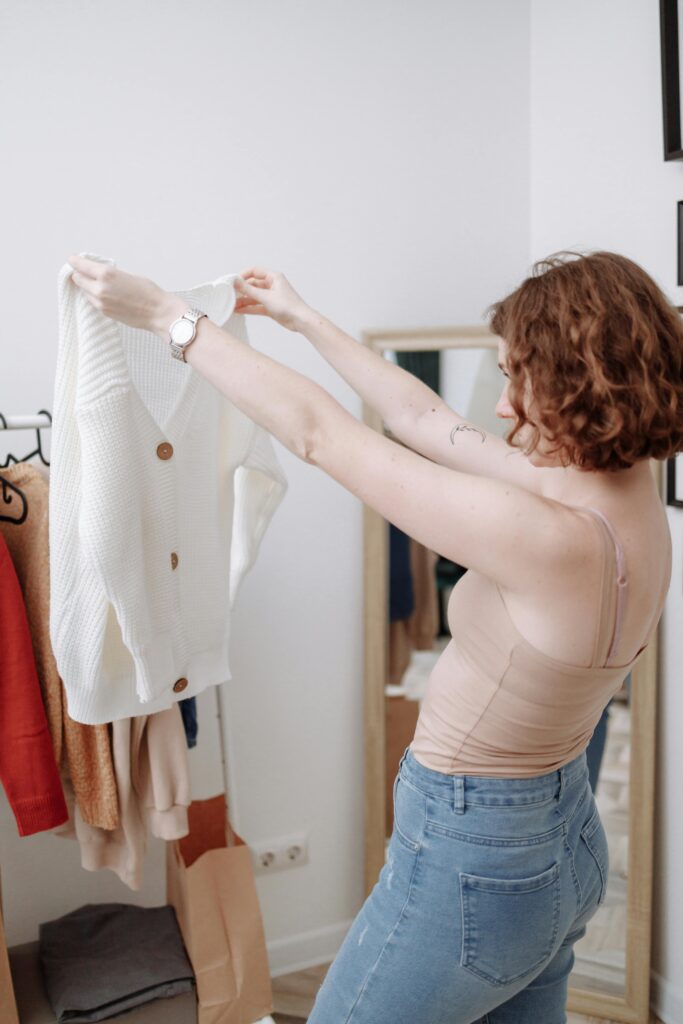
The Emotional Core of Fashion Paralysis
This phase isn’t about having a “bad wardrobe.” It’s about losing the social meaning clothes once gave you, questioning who you are outside the mirror of your friends, and struggling to create a new visual language for yourself. Most advice out there is shallow: “Just find your personal style.” But that’s incredibly vague because personal style isn’t something you discover like buried treasure. It’s something you build intentionally over time.
The Deeper Truth: What You’re Really Going Through
When the crop tops, band tees, and party looks stop feeling like “you,” what you’re really losing isn’t just clothing – it’s social identity anchors. Those outfits weren’t just cute – they were visual shorthand for belonging, ways to communicate “I’m part of this tribe,” and a shared language with friends, culture, and youth. Lose the language, and you temporarily lose your place in the fashion conversation. That’s why fashion paralysis feels paralyzing.
Fashion as a Tool – Not a Trap
Here’s the empowering flip side: clothes are still a language – but now you get to author your own dialect. This doesn’t mean dressing in designer clothes, following “timeless” fashion rules, or avoiding color or joy. It means choosing clothes that reflect the values, confidence, and stories you hold now, experimenting without pressure to fit into a social mold, and defining belonging on your own terms. And that’s a powerful phase – even if it feels confusing.
In Conclusion: What Fashion Paralysis Really Is
Fashion paralysis is the identity shift between who you were and who you’re becoming – expressed through clothes. It’s part psychological, part social, and deeply tied to how we learn to belong to ourselves first before we belong to groups. And that’s why it’s not a crisis – it’s an evolution.


