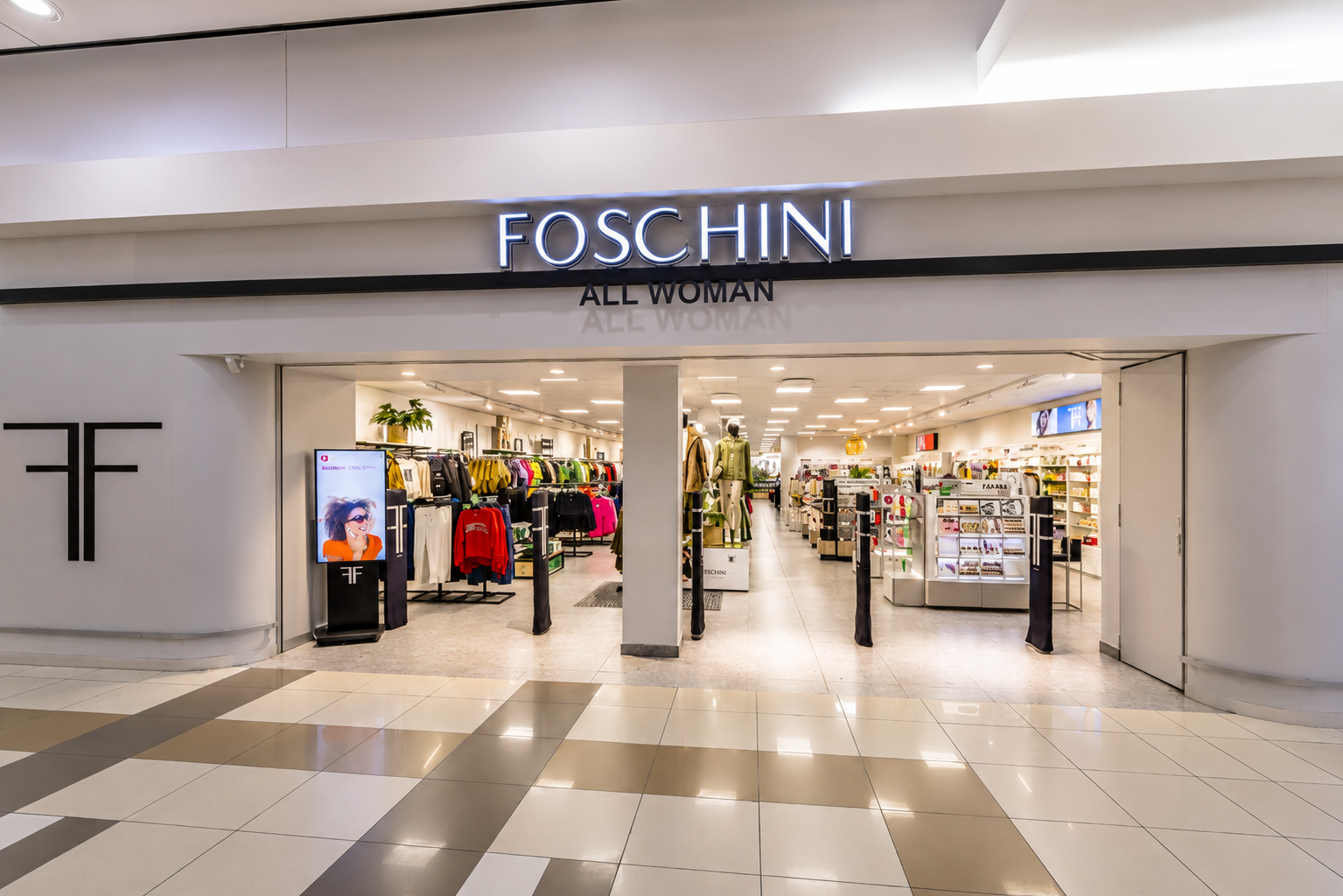
The Foschini Group’s latest trading statement isn’t just a company story – it’s a window into a global retail crisis playing out from London and Sydney to Johannesburg’s malls.
The latest warning from The Foschini Group (TFG) may be about one retailer, but the implications stretch far beyond South Africa’s fashion sector. Increasingly, the global retail industry is confronting a convergence of pressures: weakening consumers, rising operating costs, geopolitical instability, and slowing discretionary spending.
In a trading statement released this week, TFG warned that headline earnings per share for the year ended March 2026 could decline between 30% and 40%, despite group sales still increasing by 7.1%. The market reaction was swift. TFG shares fell sharply on the JSE, trading near R60 – more than 50% below levels seen just a year ago.
What the Numbers Actually Say
The drivers are telling. Headline earnings per share are expected to come in between 609.4 and 710.9 cents – compared to 1,015.6 cents the year before. Earnings per share are even more severely impacted, expected to fall between 55% and 65%, partly due to a R750 million non-cash impairment of brand values in its UK and Australia divisions.
On the surface, TFG Africa – the South African business – actually delivered reasonable top-line growth: sales grew 7.5% in the fourth quarter and 5.0% for the full year on a like-for-like basis. But sales momentum and gross margin normalised in Q4, which was insufficient to recover the margin lost during peak season in Q3. TFG Africa’s EBIT declined at a mid-teens rate year on year – a sign that revenue growth is being eaten up by costs.
Internationally, the story is mixed. TFG London’s sales grew 29.4% for the full year – but take away the newly acquired White Stuff brand, and sales were essentially flat in pound terms. TFG Australia was outright negative, with sales declining 1.5% for the full year and contracting 1.3% in Q4.
A Mirror of Global Retail Pain
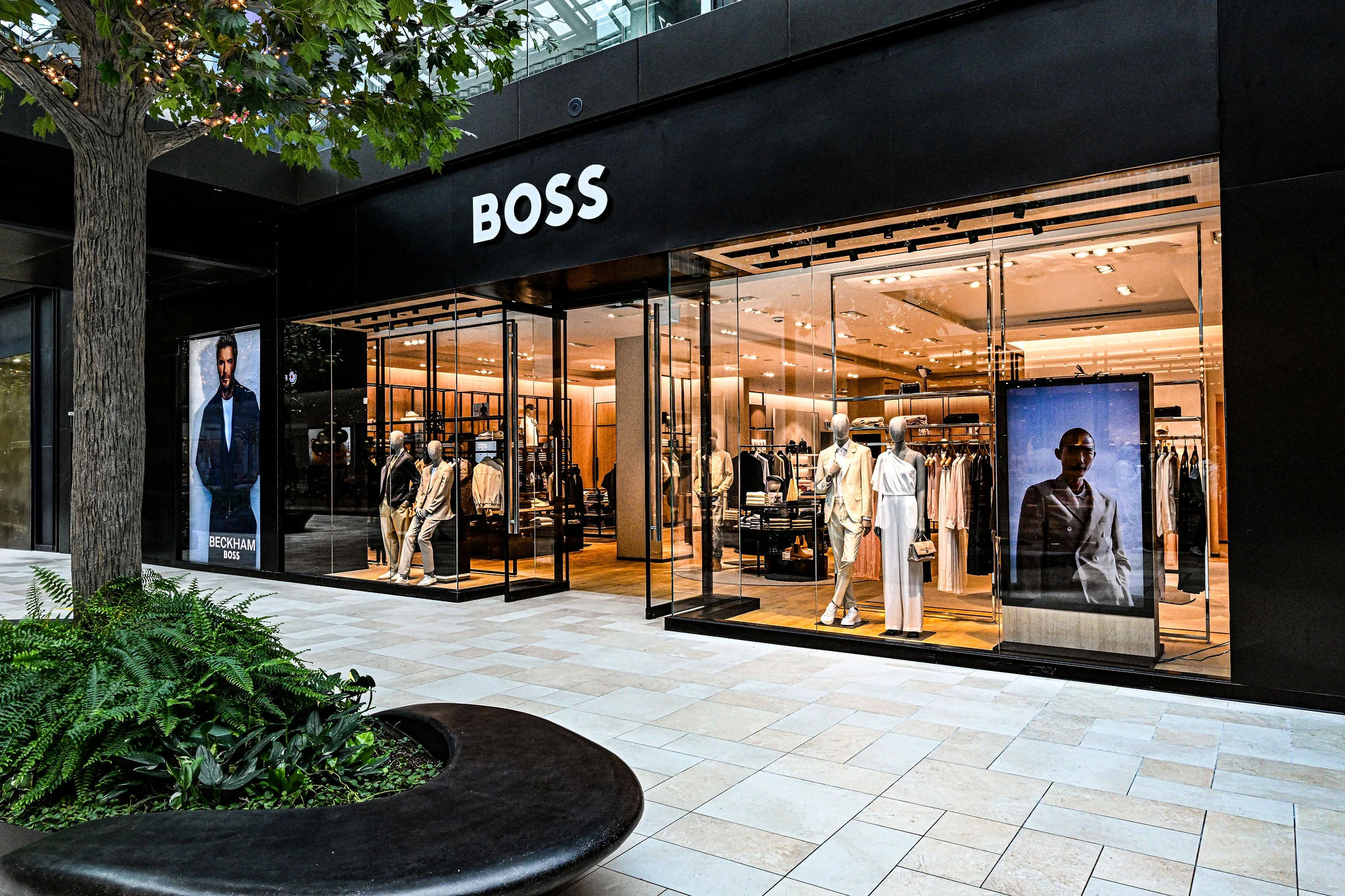
What makes TFG’s warning particularly significant is that it isn’t happening in isolation. It mirrors almost exactly what global retail and luxury giants have been saying for months. Groups like LVMH, Kering, Hermès, and Hugo Boss have all recently flagged softer demand and weaker discretionary spending as inflation and elevated energy prices continue pressuring consumers worldwide.
The connection is important and often underappreciated. When energy prices rise, transport, logistics, and manufacturing costs all increase simultaneously. Consumers also spend more on essentials – fuel, electricity, groceries – leaving materially less disposable income for fashion, luxury, and premium retail purchases. That pressure eventually travels down the supply chain and lands on the income statement.
The Pressure Spreading Across South African Retail
Those global headwinds are now landing squarely on South African shores – and TFG is not alone in feeling them. Pick n Pay has initiated a Section 189A consultation process as part of restructuring its labour model. While the company frames this as improving operational efficiency, Section 189A processes are commonly associated with large-scale restructuring and potential retrenchments. If pressure continues within the broader Pick n Pay ecosystem, adjacent divisions such as Pick n Pay Clothing could also feel the impact of weaker discretionary consumer spending.
Dis-Chem has also recently flagged restructuring and cost-containment measures – another signal that retailers across the board are being forced to protect margins in a constrained consumer environment.
What Comes Next
TFG’s full annual results are expected on 5 June 2026. Those numbers will confirm what the trading statement already tells us – that geopolitics, inflation, energy costs, consumer spending, and retail employment are no longer separate conversations. They are the same conversation, and South African retailers are right in the middle of it.
TFG’s management says the group maintains a sound balance sheet, supported by committed banking facilities and prudent working capital management. That may provide some comfort to long-term investors. But with the share down more than 50% over twelve months and a structural consumer slowdown showing few signs of reversing, the road back will require more than cost discipline.