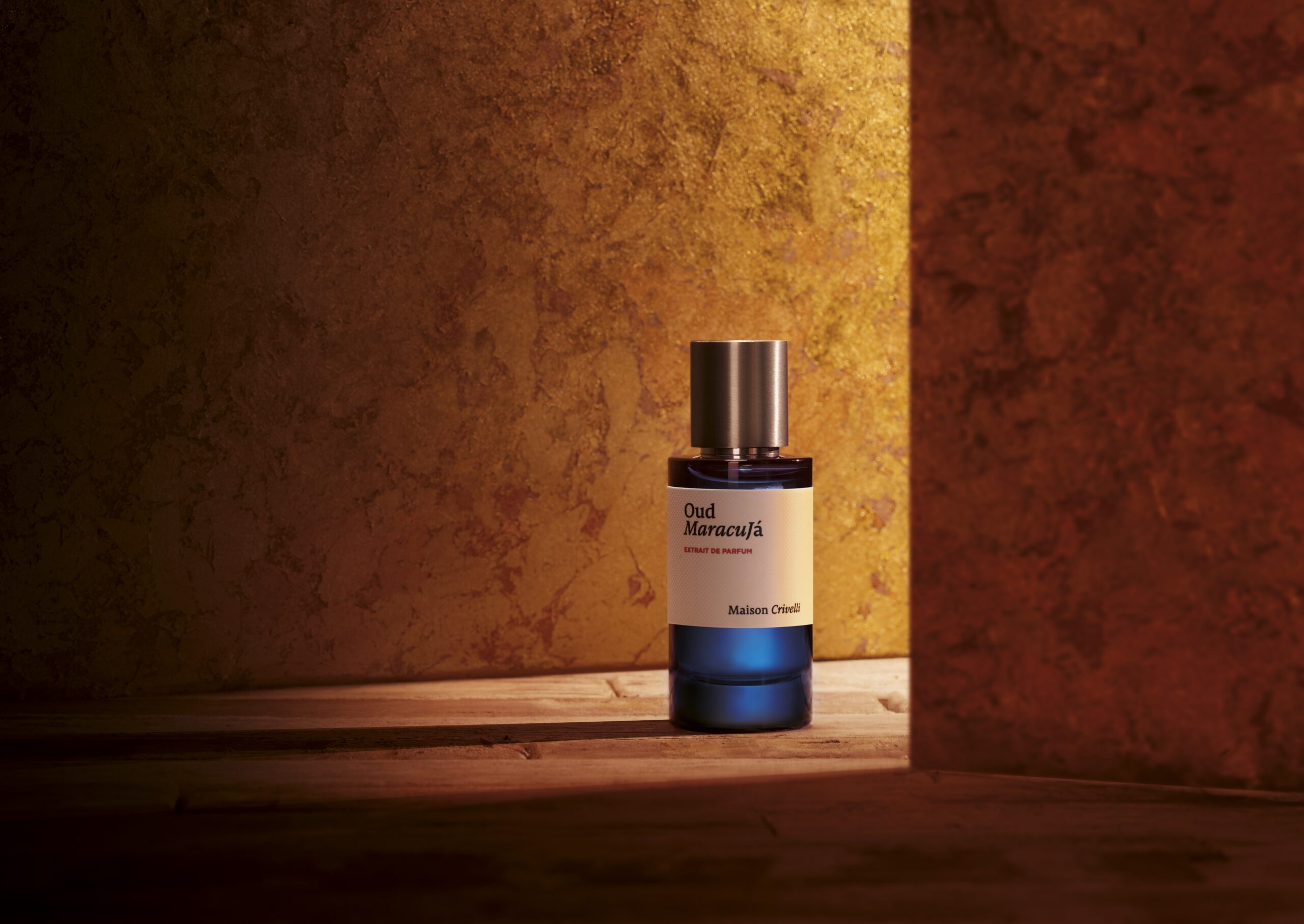
As consumers become more intentional about spending, global beauty brands are finding new ways to drive growth – from airport retail and personalised experiences to sustainability and product innovation.
When consumers start paying closer attention to their spending, brands across industries are forced to ask an important question: what are people still willing to pay for?
For the beauty industry, the answer is more nuanced than simply being affordable or aspirational. Beauty remains an important part of many consumers’ routines, but the way people discover, evaluate and purchase products continues to evolve.
Consumers may trade down, delay certain purchases or become more selective about the brands they support. Yet the continued investment by major beauty companies suggests that the industry still sees significant opportunities for growth.
One of the clearest examples is travel retail.
Travel retail: a new frontier for beauty growth
In an October 2026 article, Cosmetics Business explored how major beauty brands are strengthening their presence in airport and duty-free retail as they respond to changing consumer expectations and a more value-conscious shopping environment.
Airports offer something beyond a traditional retail transaction. They bring together international audiences, moments of anticipation and discovery, and shoppers who may be more receptive to premium products and special purchases.
For beauty brands, this creates an opportunity to connect with consumers in a different setting and introduce products through curated displays, exclusive offerings and more engaging shopping experiences.
The shift is significant. Travel retail is no longer simply a channel for purchasing products before a flight. It is increasingly a space where brands can build desirability, encourage product discovery and create memorable interactions with consumers.
How leading beauty brands are responding
The strategies of L’Oréal, Sol de Janeiro and Clarins offer three different examples of how the industry is pursuing this opportunity.
L’Oréal: combining beauty with sustainability
L’Oréal Travel Retail has partnered with Avolta to expand sustainability initiatives and refillable fragrance formats across international travel hubs.
The partnership demonstrates how sustainability can become part of a commercial strategy rather than a separate brand message. Refillable products give consumers another way to purchase fragrances while supporting efforts to reduce packaging waste.
For brands, the challenge is to make these options accessible, convenient and attractive enough to become part of everyday shopping behaviour.
The opportunity lies in aligning consumer value with a more sustainable approach to consumption.
Sol de Janeiro: turning brand recognition into global reach
Sol de Janeiro has taken a different approach, using travel retail to extend its brand experience to an international audience.
In July 2026, the body-care brand launched its largest-ever global travel-retail campaign, Make Life Cheirosa, across more than 50 airports and 600 retail doors worldwide.
The campaign highlights the importance of brand identity in a competitive beauty market. Consumers are not always buying a body-care product or fragrance purely for its functional benefits. Scent, packaging, emotion and the lifestyle associated with a brand can all influence the decision.
For Sol de Janeiro, travel retail offers an opportunity to bring these elements to consumers in high-traffic international locations and turn brand recognition into purchase consideration.
Clarins: making the shopping experience part of the product
Clarins has focused on the experience itself.
In partnership with Changi Airport Group and The Shilla Duty Free Singapore, the skincare brand introduced its Clarins Beauty Concierge Singapore Edition in July 2026.
The concept combined personalised skincare recommendations, curated beauty experiences and travel-retail exclusives in an environment inspired by Singapore’s cultural identity.
This approach reflects a wider opportunity for beauty retailers: helping consumers navigate products, understand their needs and enjoy the process of choosing what to buy.
In a market crowded with launches and competing claims, personalisation and service can help a brand stand apart.
Why consumers continue to make room for beauty
These examples raise a broader question about consumer behaviour: why does beauty continue to attract investment even when shoppers are under pressure to make their money go further?
Part of the answer lies in the role beauty plays in everyday life. For many people, skincare, fragrance, haircare and cosmetics are connected to personal care, confidence, self-expression and routine.
That does not mean consumers will continue buying every product at every price. Nor does it mean beauty is immune to economic pressure. Instead, shoppers may become more selective about which products they buy, what they consider essential and where they believe their money is best spent.
A consumer might choose a more affordable skincare product but still invest in a fragrance they love. Another might reduce the number of products in their routine while remaining willing to pay for one that delivers a noticeable benefit.
This is where perceived value becomes crucial.
Consumers increasingly need a reason to justify a purchase. That reason may be product performance, quality, convenience, a trusted brand, a compelling scent or an experience that makes the purchase feel special.
For beauty businesses, the challenge is not simply to persuade consumers to spend. It is to demonstrate why a particular purchase deserves a place in their budget.
Growth will depend on more than the product
The strategies emerging in travel retail point to several lessons for the wider beauty industry.
First, distribution matters. Brands can create new growth opportunities by reaching consumers in different environments and at different moments in their purchasing journey.
Second, experience can differentiate a brand. Personalised services, exclusive products and thoughtful retail environments can make shopping more engaging, especially when consumers have many alternatives.
Third, sustainability needs to work for the consumer. Refillable formats and other responsible options have greater potential when they are convenient, accessible and commercially compelling.
Finally, brand desirability must be supported by value. Strong branding can attract attention, but quality, relevance and a convincing reason to purchase help turn that attention into sales.
These principles extend beyond airports. They are relevant to beauty retailers, independent brands, e-commerce businesses and companies looking to build stronger relationships with their customers.
The future of beauty is about earning the purchase
The continued investment of global beauty brands is an encouraging sign of the industry’s confidence, but it should not be mistaken for proof that every category, brand or consumer is growing at the same pace.
The more important development is how businesses are adapting.
L’Oréal is exploring the role of refillable fragrance. Sol de Janeiro is extending its distinctive brand experience across international travel hubs. Clarins is using personalisation and immersive retail to make shopping more engaging.
Each strategy responds to a different consumer need, but they share a common principle: creating additional reasons for people to choose a brand.
Beauty may remain a priority for many consumers, but the industry cannot rely on that loyalty indefinitely. As shoppers become more discerning, brands must continue to earn their attention, trust and spending.
The opportunity is not simply to sell more beauty products. It is to understand what consumers value, deliver on that expectation and create experiences that make the purchase worthwhile.
Because in a market where consumers are thinking more carefully about what they buy, beauty’s next phase of growth may depend less on convincing people to spend – and more on giving them a reason to believe the spend is worth it.
Source: Cosmetics Business — L’Oréal to Sol de Janeiro: brands shaping the future of beauty travel retail in 2026, published 21 October 2026.