
Retail is no longer competing on product alone. In an era shaped by digital saturation, shrinking attention spans and declining footfall, the battleground has shifted to experience, emotion and memory. What matters now is not just what a brand sells, but how it makes customers feel when they step into its physical world. Against this backdrop, coffee has emerged as an unlikely but powerful retail tool.
Across global markets, brands are increasingly integrating coffee shops and cafés into their stores – not to diversify into food and beverage, but to reframe the store itself as a destination rather than a transaction point. Coffee provides a familiar, low-friction entry into the brand universe, inviting customers to pause, linger and engage without the psychological pressure of purchasing. This evolution reflects a broader recalibration towards experiential retail, where physical spaces are designed to deliver value beyond merchandise and pricing.
From fashion houses to financial institutions, brands are discovering that hospitality-driven retail unlocks something digital cannot: time, presence and human connection.
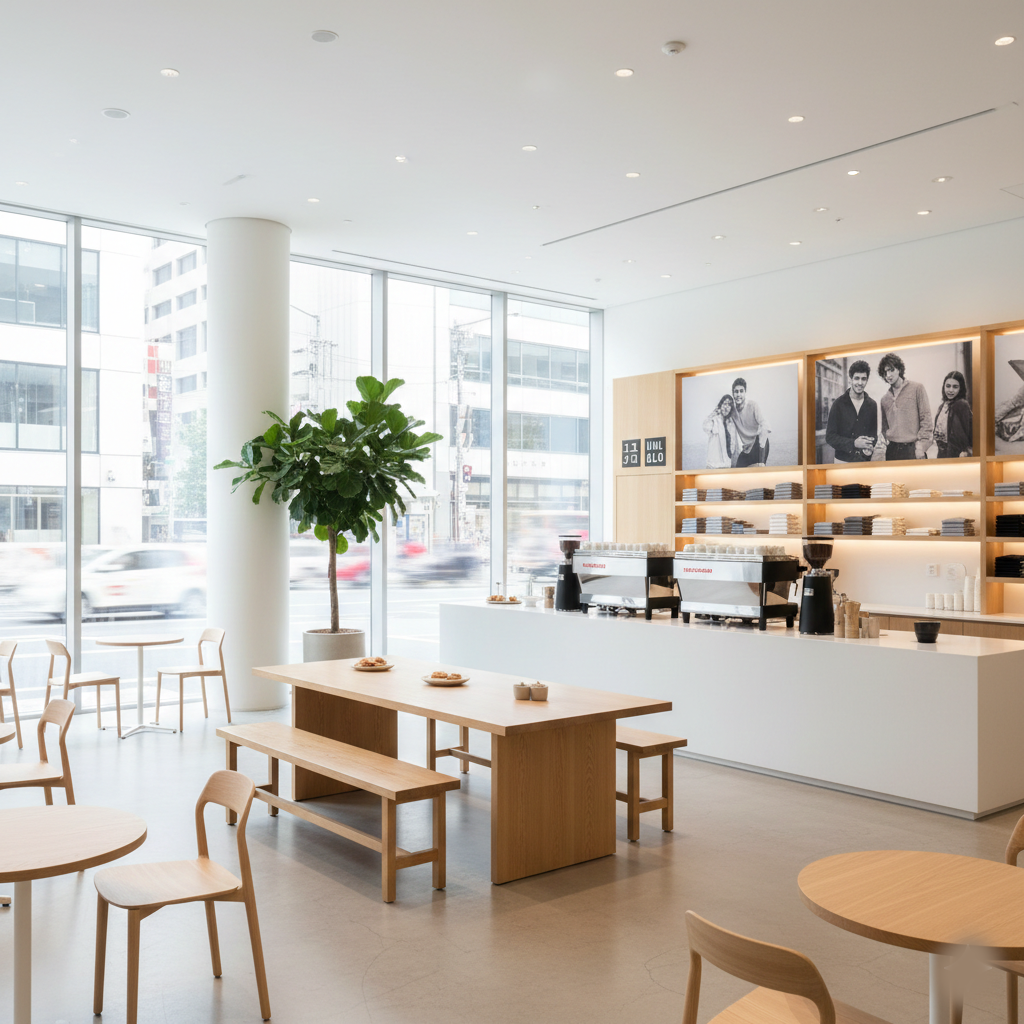
Global brands have been early to operationalise this strategy. Uniqlo, the Japanese apparel giant, has tested café concepts in flagship locations including Fifth Avenue in New York, Tokyo and Manila. These spaces are designed to soften the retail environment, extending dwell time and repositioning the store as a communal, lifestyle-oriented hub rather than a purely functional shopping floor. The café becomes a strategic lever – one that supports brand warmth, accessibility and repeat visitation.
Luxury brand Coach has similarly leaned into hospitality as a way to deepen cultural relevance. Beginning in Jakarta and expanding to cities such as Austin and New Jersey, as well as across East Asia, Coach cafés blur the line between fashion retail and lifestyle consumption. Coffee is paired with curated interiors, exclusive merchandise and social-first moments, deliberately engineered to resonate with Gen Z and millennial consumers who prioritise experience, aesthetics and authenticity over traditional luxury cues.
Outside of fashion, Capital One was among the earliest adopters of the café model, embedding coffee into its physical banking locations. By combining financial services with complimentary beverages, co-working areas and community programming, Capital One reframed banking as a social experience rather than a transactional obligation. The model set a precedent for how non-traditional categories could leverage hospitality to humanise their brands.
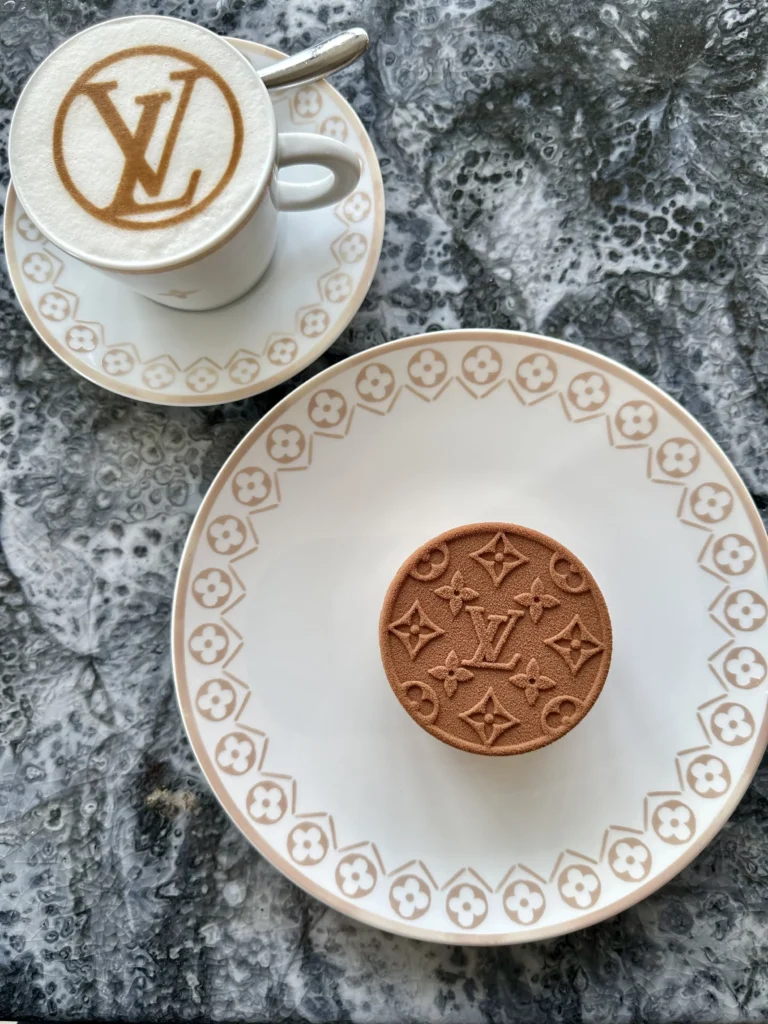
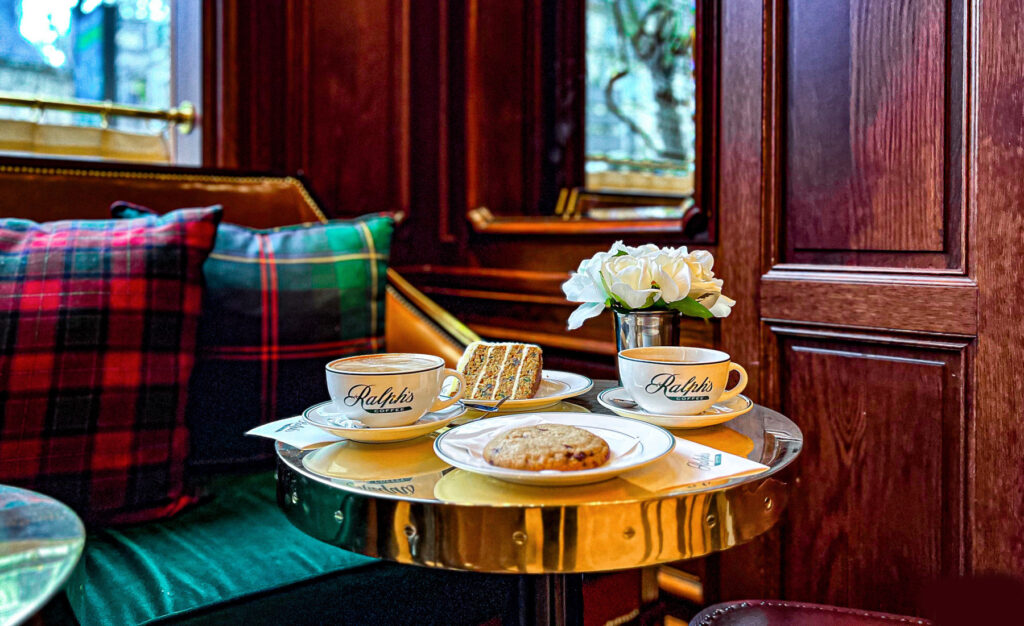
Luxury fashion has followed suit. Dior, Louis Vuitton, Ralph Lauren and Kate Spade have introduced cafés and restaurants adjacent to flagship stores in global fashion capitals such as Paris, New York and Tokyo. In these cases, hospitality operates as brand theatre – reinforcing lifestyle positioning, driving social media amplification and anchoring the brand within the rhythms of daily life.
South Africa has not been immune to this shift. Locally, Woolworths stands out as one of the earliest adopters of blending retail and food experiences, particularly within its clothing and lifestyle ecosystem. Through Woolworths Food and integrated seating areas, the brand reframed shopping as a social and sensory activity, setting a local blueprint for how hospitality can coexist with fashion and retail.
More recently, Mr Price has approached the café model from a different, purpose-driven angle. Through its Foundation Coffee Incubator Programme, the retailer is introducing in-store coffee kiosks inside selected Mr Price Home stores, operated by young women entrepreneurs. With pilot locations in Diep River, Hillcrest and Nelspruit Crossing, the initiative merges experiential retail with enterprise development, positioning the café not only as a customer amenity but as a platform for skills-building, mentorship and economic participation.
In a digital-first economy, the value of these physical interventions is increasingly clear. Cafés transform stores from transactional environments into social infrastructure. Customers arrive for coffee, stay for the brand and leave with an emotional association that digital touchpoints struggle to replicate. In-store cafés function as soft brand entry points — spaces where consumers can experience a brand without feeling overtly marketed to, fostering trust, affinity and long-term loyalty.
Purpose-led initiatives, such as the Mr Price Foundation’s incubator, further elevate this strategy by aligning brand growth with social impact. For younger consumers in particular, brands that demonstrate tangible contributions to community and opportunity-building hold greater cultural capital.
However, as the model proliferates, a new challenge emerges. What was once novel is rapidly becoming commoditised. When every retailer offers coffee, coffee alone ceases to differentiate. The strategic question is no longer whether to add a café, but how to design one that is distinctive, ownable and enduring.
Retail history offers a cautionary tale. When Barnes & Noble first partnered with Starbucks, the combination of books, coffee and community felt revolutionary. Over time, replication dulled its impact. Today, a generic coffee counter is expected — not memorable.
The brands that succeed are those that ensure the café is not an add-on, but an extension of brand DNA. The Tiffany Blue Box Café remains a benchmark. Here, coffee is merely the medium. The true product is immersion — in colour, craftsmanship, heritage and aspiration. Every design choice reinforces brand codes, transforming hospitality into storytelling.
In this context, cafés are not about beverages. They are about identity, emotion and cultural relevance. They reflect a brand’s visual language, values and lifestyle promise. When executed with intent, they become a strategic differentiator rather than a convenience.
Critically, brands must resist herd mentality. A copy-and-paste approach risks dilution rather than distinction. The most effective strategies begin with deep customer insight: understanding how customers live, socialise, shop and spend time. Relevance – not imitation – is what sustains differentiation.
The rise of in-store coffee shops signals a fundamental shift in how brands conceive physical retail. Coffee has become a conduit for connection, storytelling and growth – but only when designed with precision and purpose. As the trend matures, success will belong to brands that continually refresh the experience, embed it within their identity and evolve alongside their customers.
In an increasingly digital world, the future of retail belongs to brands that create places people want to inhabit – not just browse. Sometimes, the first step into that relationship begins with a cup of coffee.


