For decades, legacy brands were defined by stability, consistency and mass reach. Their power came from repetition: the same message, the same packaging, the same promise, broadcast at scale through television, print and billboards. But culture no longer moves at the pace of broadcast. It moves at the pace of the feed.
The rise of platforms like TikTok has not made legacy brands obsolete – it has exposed which ones are truly alive.
The Myth of Reinvention
There’s a common misconception that heritage brands need to “reinvent” themselves to appeal to younger consumers. In reality, the strongest legacy brands don’t change who they are – they change how they show up. Products like Vaseline, Levi’s, Dove or Converse don’t need new origin stories. Their value is already proven, their trust already earned. What they need is cultural translation: a way to exist naturally inside the conversations, aesthetics and humor of a new generation. TikTok has become one of the most powerful tools for that translation.
Vaseline’s trajectory tells this story with particular clarity. The brand has achieved an 11% compound annual growth rate over the past four years, becoming a billion-dollar brand for Unilever and growing volume more than 10% in both 2024 and the first half of 2025. This isn’t the result of dramatic reinvention. It’s the product of listening.
From Campaigns to Culture
Traditional brand marketing is built around campaigns: tightly controlled messages launched at specific moments. TikTok, by contrast, is built around participation. Trends emerge organically, creators remix ideas freely, and brands succeed not by directing the conversation but by joining it. Unilever’s recent TikTok strategy for Vaseline illustrates this shift. Instead of positioning the product through polished ads, the brand leaned into how people were already using it – for slugging routines, skin hacks, makeup tricks and unexpected beauty rituals. The content didn’t feel like marketing; it felt like culture documenting itself. This is the key distinction: TikTok doesn’t reward brands for being loud. It rewards them for being fluent.
“We reallocated our budget to lean much more into creator-led content,” says Kate Godbout, head of Vaseline brand for North America. The shift was structural, not superficial. Earlier in 2025, Unilever’s beauty and wellness group reorganized to bring product innovation and demand creation under one roof. Now specialists in PR, influencer strategy, creator-led content and media sit alongside innovation teams in what they call the “culture squad” – weekly sessions designed to read cultural signals in real time and translate them into both content and product development.
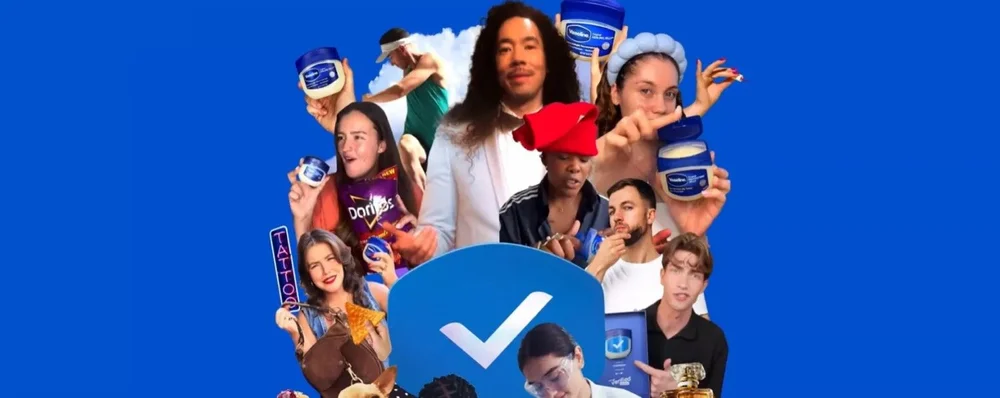
The “Vaseline Verified” campaign exemplifies this approach. The brand identified over three and a half million organic posts featuring Vaseline across TikTok and Instagram – people already using the product in unexpected ways. Rather than ignore these user-generated narratives or try to control them, Vaseline brought them into the lab. Scientists tested the hacks creators were promoting, then awarded “verified” seals to the ones that were safe and effective. The campaign generated 136 million views, 87% positive sentiment, and a 43% uplift in sales. More importantly, it showcased a different personality for the brand – one willing to trust its community and co-create meaning.
Why Legacy Brands Are Uniquely Positioned
Ironically, legacy brands often perform better on TikTok than newer ones. Their longevity gives them something algorithms can’t manufacture: credibility. When a product that has existed for over a century suddenly appears in a 15-second video shot in a bedroom, the contrast works in its favor. It signals durability, trust and usefulness – qualities Gen Z values, even if they reject traditional advertising. What makes the transition seamless is restraint. The most effective legacy brands don’t overbrand their presence. Logos are secondary. The product exists as a familiar object in everyday life, not as a symbol demanding attention.
Vaseline’s collaboration with reality TV star Amanda Batula and her Loverboy beverage brand demonstrates this restraint in practice. The partnership bundled three cans of Loverboy iced tea with one bottle of Vaseline’s Glazed & Glisten Gel Oils, marketed through an experiential event in Brooklyn. The packs sold out within 12 hours. The key wasn’t forcing brand alignment but finding natural cultural overlap. “Especially for a heritage brand, the idea of cultivating community is so important,” Godbout notes. “Deeply understanding your consumer on the most intimate level – their hopes, dreams, desires, barriers to using product – beyond basic needs.”
Creators as Cultural Translators
Creators are the bridge between heritage and modernity. They understand platform language intuitively and know how to frame products in ways that feel personal rather than promotional. Instead of scripting creators, brands like Unilever are increasingly giving them freedom: freedom to experiment, to joke, to fail, to remix. This trust signals confidence – and confidence is magnetic. The result is content that feels less like endorsement and more like discovery.
The integration goes deeper than individual campaigns. At Vaseline, innovation teams now sit in weekly culture squad meetings alongside agencies and demand creation specialists, ensuring that what resonates on social feeds directly informs product naming, textures, formats, and launch strategies. This is social-first thinking at the structural level – not content as an afterthought, but culture as the engine of product development itself.
Seamlessness Is the Strategy
What distinguishes successful legacy brands on TikTok isn’t trend-chasing or viral ambition. It’s seamlessness. Seamlessness looks like letting the product speak through use, not explanation; accepting imperfection and humor; allowing audiences to define meaning; moving at the speed of culture, not approval cycles. When done well, the brand doesn’t feel like it has “entered” TikTok. It feels like it was always meant to be there.
Entertainment partnerships like Vaseline’s “White Lotus” collaboration in Southeast Asia follow the same principle. “Entertainment property or brand collaborations are all about intentionality,” Godbout explains. “How do you find ways to elevate your brand values and what the brand stands for – the personality, the tonality you want to bring forward with things that are super culturally relevant – that you know will get a lot of buzz, but have a way to bring your product in to build relevancy with consumers in an interesting way?”
The focus isn’t on doing more partnerships, but on choosing the right ones at the right time. Too many risk fatigue. But the right partnership at the right moment can generate substantial value and attract consumers who might not have considered the brand before.
The Future of Heritage
Legacy is no longer about guarding the past. It’s about staying relevant without becoming unrecognizable. Platforms will change – TikTok today, something else tomorrow but the principle remains the same: brands that respect culture, empower creators and trust their own history can evolve without erasing themselves. The next generation isn’t asking legacy brands to be cooler. They’re asking them to be real. And the ones that listen won’t just survive the algorithm – they’ll belong inside it.
As Godbout reflects on the role of emerging technology like AI in this landscape, she returns to fundamentals. “I think of AI as this amazing thought partner and co-pilot, but the fundamentals of what we’ve learned about growing brands over the years, that doesn’t go away.” The opportunity AI presents isn’t to replace human creativity but to free it – automating low-value tasks so teams have more capacity to dream, to think expansively, to understand their community on deeper levels.
What Vaseline has proven is that heritage isn’t a burden. It’s a foundation. And when that foundation is combined with genuine cultural fluency, structural agility, and trust in the people who already love your product, growth isn’t just possible – it’s inevitable.