
The fashion, clothing, and retail industry has entered 2026 in a state of constant recalibration. After years of disruption, from supply-chain shocks to digital acceleration – the industry is no longer chasing recovery. Instead, it is learning how to operate in permanent uncertainty. Growth is slower, consumers are sharper, and brands are being pushed to evolve not just aesthetically, but structurally. According to The State of Fashion 2026 report by McKinsey & Company and The Business of Fashion, industry leaders no longer expect a return to high-growth stability, but rather a future defined by volatility, cost pressure, and rapid shifts in consumer behavior.
A Market Defined by Caution – and Opportunity
Globally, fashion growth in 2026 is expected to remain in the low single digits, as inflation, geopolitical tensions, and cautious consumer spending reshape demand (McKinsey & Company, State of Fashion 2026). Shoppers are becoming more selective, prioritizing quality, longevity, and value over impulse-driven consumption.
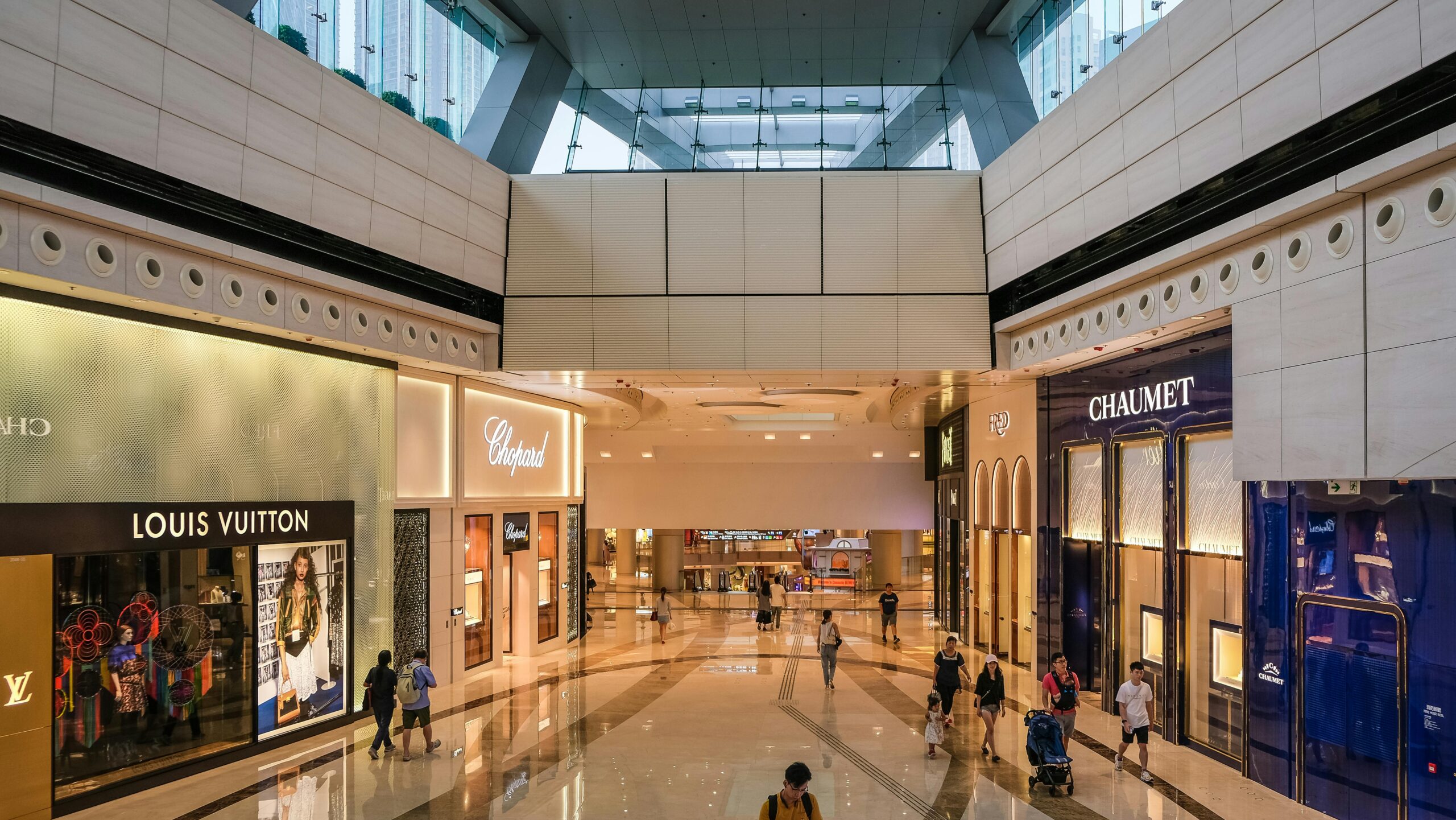
Luxury, once considered insulated from economic downturns, is facing mounting pressure. Years of aggressive price hikes have led to consumer fatigue, forcing many luxury houses into increased discounting and reliance on outlets and wholesale partners. The Financial Times reports that luxury margins are now near multi-year lows, with shoppers increasingly questioning whether price increases still reflect value or craftsmanship.
At the same time, not all retail is retreating. Select brands are expanding physical footprints strategically, treating stores as experience hubs rather than pure sales channels — a trend noted across European and U.S. specialty retailers.
The Consumer Shift: Expression Over Excess
In 2026, consumers , particularly Gen Z, are redefining fashion culture. Rather than following rigid trend cycles, younger shoppers blend nostalgia with experimentation, mixing early-2000s silhouettes, millennial aesthetics, and contemporary tailoring. Business Insider reports that Gen Z’s purchasing behavior is heavily influenced by social media culture, nostalgia, and creator-driven trends rather than traditional fashion authorities.
Trend forecasting platforms such as Pinterest point to a broader aesthetic shift away from “quiet luxury” toward expressive movements like poetcore, maximalist glamour, and romantic styling. Fashion is becoming emotional again, favoring color, texture, and narrative over restraint.
Crucially, consumers now expect context. They want to understand where garments come from, how they’re produced, and what a brand represents – but without heavy-handed marketing. Transparency has become a baseline expectation, not a differentiator.
Marketing in 2026: Smarter, Smaller, More Personal
Fashion marketing has shifted decisively from scale to precision. While large campaigns still exist, growth is increasingly driven by micro-communities, long-term creator partnerships, and personalized digital engagement.
Shopify’s fashion marketing insights highlight that brands are moving away from transactional influencer campaigns toward sustained collaborations that feel authentic and community-driven. Reach matters less than relevance.
Artificial intelligence plays a growing role in marketing execution – from personalized emails and predictive product recommendations to automated A/B testing and content optimization. However, McKinsey emphasizes that the brands seeing the strongest results use AI to enhance human creativity rather than replace it.
Scarcity remains effective, but only when paired with authenticity. Limited drops and collaborations continue to generate buzz, yet consumers are quick to reject hype that feels manufactured.
Technology Moves From Experiment to Infrastructure
If 2024 and 2025 were defined by AI experimentation, 2026 is about integration.
According to McKinsey, AI is now embedded across the fashion value chain:
- Design teams use AI for trend forecasting, color analysis, and early-stage concept development.
- Retailers deploy AI-driven demand planning and inventory optimization to reduce waste and improve margins.
- E-commerce platforms increasingly offer virtual try-ons, AI stylists, and fit prediction tools to reduce return rates.
Augmented reality shopping experiences, from smart mirrors to immersive online showrooms – are becoming normalized rather than novel. Industry analysts note that these tools help bridge the confidence gap between online browsing and purchase.
Digital fashion and virtual wardrobes, led by platforms like DRESSX, continue to expand in gaming, social media, and creator economies, reshaping how identity and style are expressed online.
Sustainability: From Messaging to Measurable Action
Sustainability in 2026 is no longer driven by marketing claims alone. Consumers, regulators, and investors now expect proof.
FashionUnited reports that brands are increasingly adopting digital product passports, blockchain-based traceability, and AI-powered forecasting to reduce overproduction and demonstrate accountability across supply chains.
Circular fashion has moved into the mainstream. Resale, repair, and rental models are now integrated into many brand ecosystems rather than positioned as side initiatives. According to industry analysts, secondhand shopping is increasingly viewed as both ethical and aspirational.
Perhaps most importantly, greenwashing no longer works. Transparency – even when imperfect – builds more trust than polished sustainability narratives.
Retail Reimagined: Experience Over Transactions
Physical retail in 2026 is evolving into something closer to media than logistics. Stores function as experiential brand spaces, offering styling services, events, localized assortments, and digital integrations.
Omnichannel is no longer a buzzword; it is an expectation. Consumers move fluidly between online discovery, in-store engagement, mobile checkout, and post-purchase digital touchpoints. Shopify and McKinsey both note that brands still operating in channel silos are at a competitive disadvantage.
At the same time, value remains critical. Consumers expect pricing to reflect quality, service, and ethics. Fast fashion still exists, but faces increasing scrutiny as shoppers become more conscious of durability and environmental impact.
The Big Picture: Fashion at a Crossroads
Fashion in 2026 isn’t collapsing – it’s restructuring.
As McKinsey and The Business of Fashion conclude, the industry is adapting to slower growth, sharper consumer expectations, and rising operational complexity. The brands that succeed will be those that balance creativity with discipline, technology with humanity, and ambition with accountability.
Fashion has always been about change. In 2026, change itself has become the business model.


