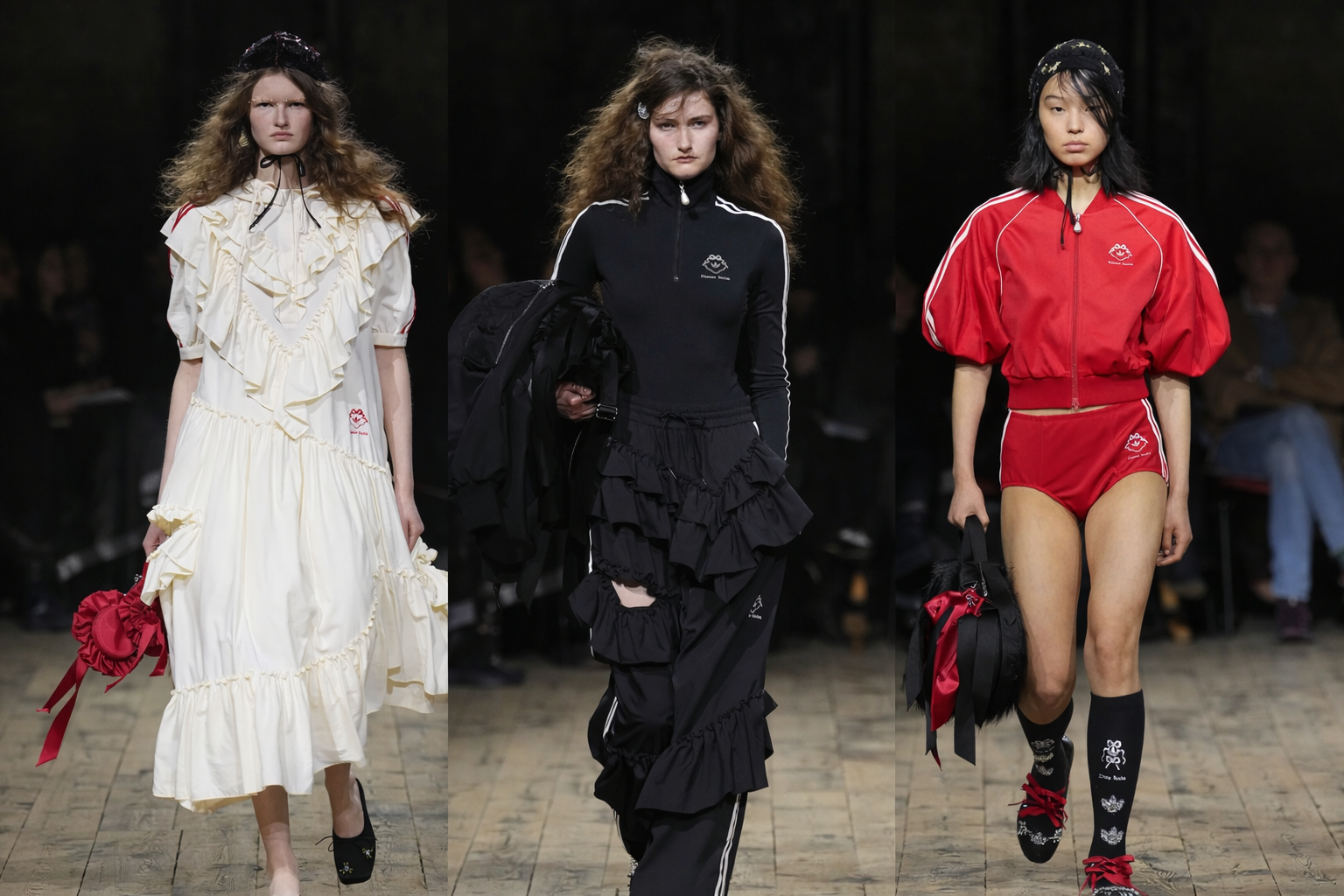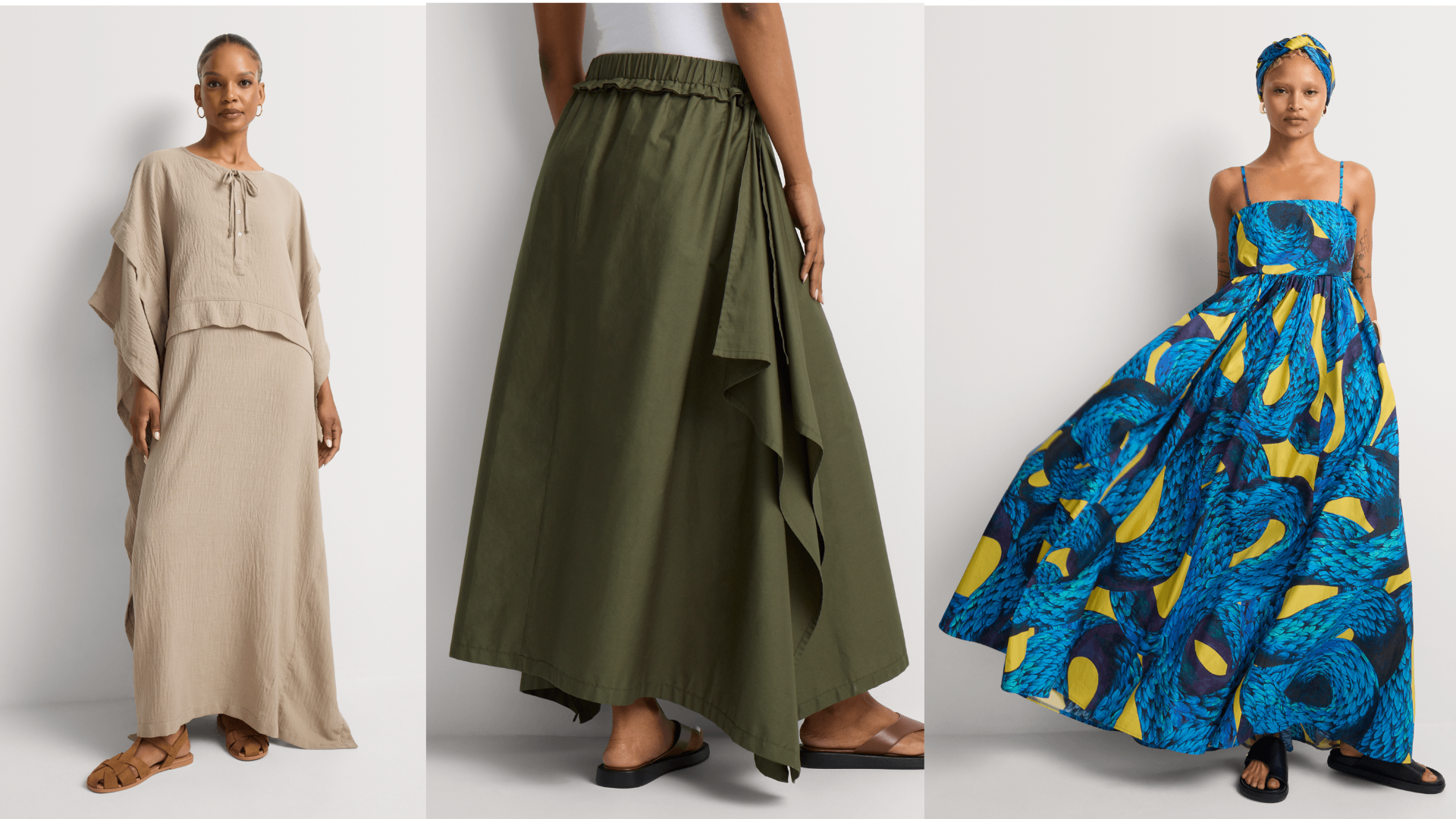
In 2024–2025, collaborations became one of the most powerful tools in global fashion retail. A recent industry report shows that inter-brand partnerships rose by approximately 35% year-over-year, with more than 60% of participating brands reporting higher customer loyalty and engagement. Some studies even suggest collaborations can boost annual revenues by as much as 30%, reinforcing a shift in strategy for many retailers: partnerships are no longer momentary hype generators, but long-term business drivers capable of shaping identity, loyalty and market relevance. Against this backdrop, South Africa’s major fashion retailers leaned decisively into designer collaborations in 2025, producing collections that merge mass-market accessibility with local creativity, cultural identity and design thinking.
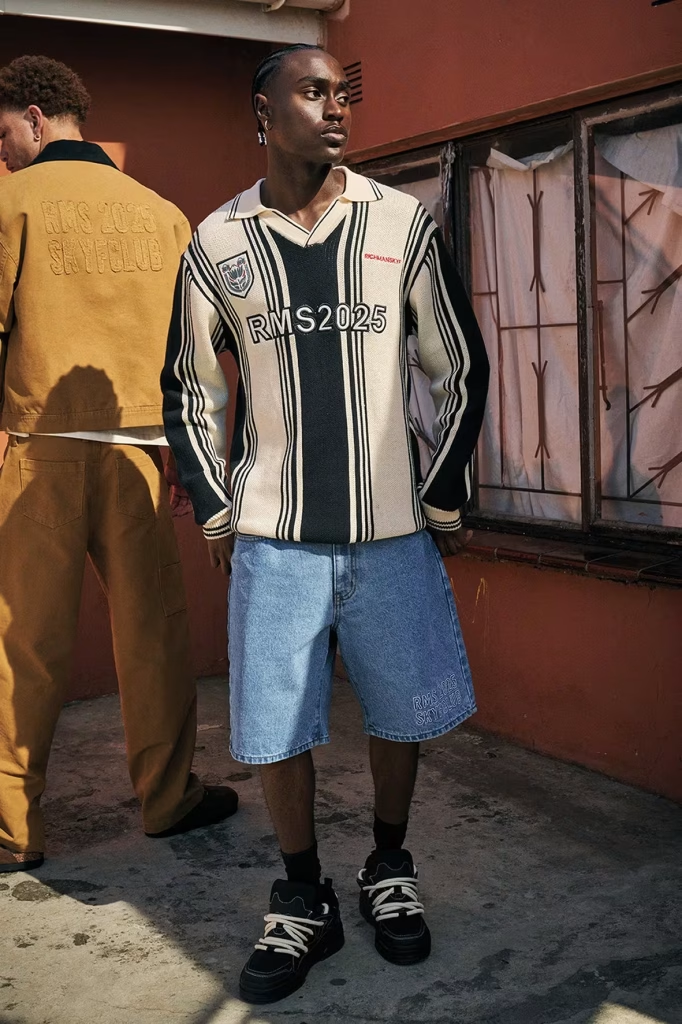
Mr Price took a clear streetwear-driven approach, tapping into young creative communities to refresh its offering. The Artclub and Friends × Mr Price collaboration, released in March, delivered a 16-piece limited-edition capsule ranging from cotton tees and printed denim to trench coats and bags, bringing an art-inspired aesthetic into mainstream retail. This continued with the RICHMANSKYF × Mr Price drop, amplifying Durban’s urban street heritage through bold printed denim, knit shorts, jackets and graphic tees. Both partnerships show how a national retailer known for affordability can leverage regional street culture and independent design talent to produce accessible clothing that carries identity and storytelling.
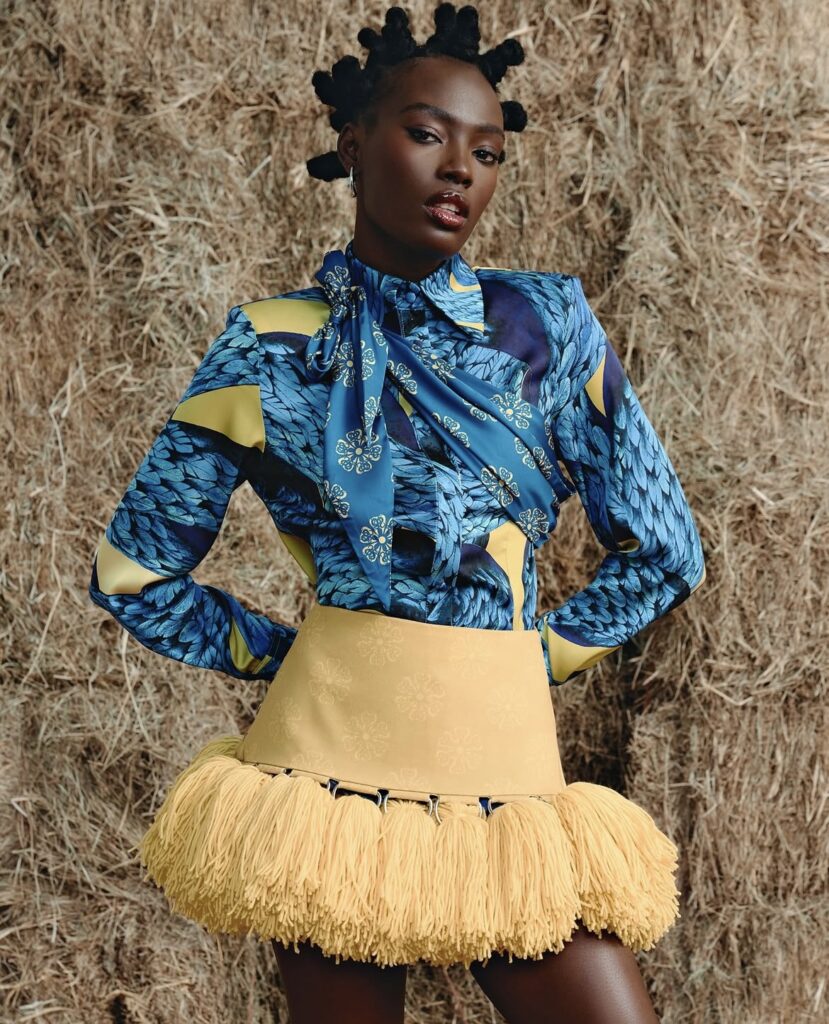
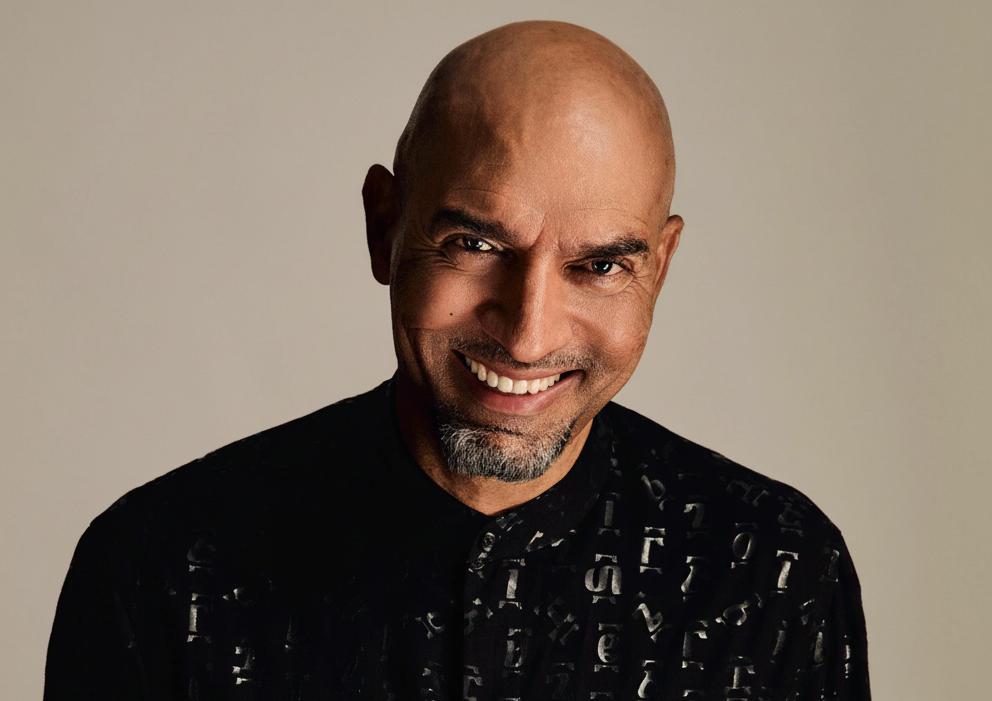
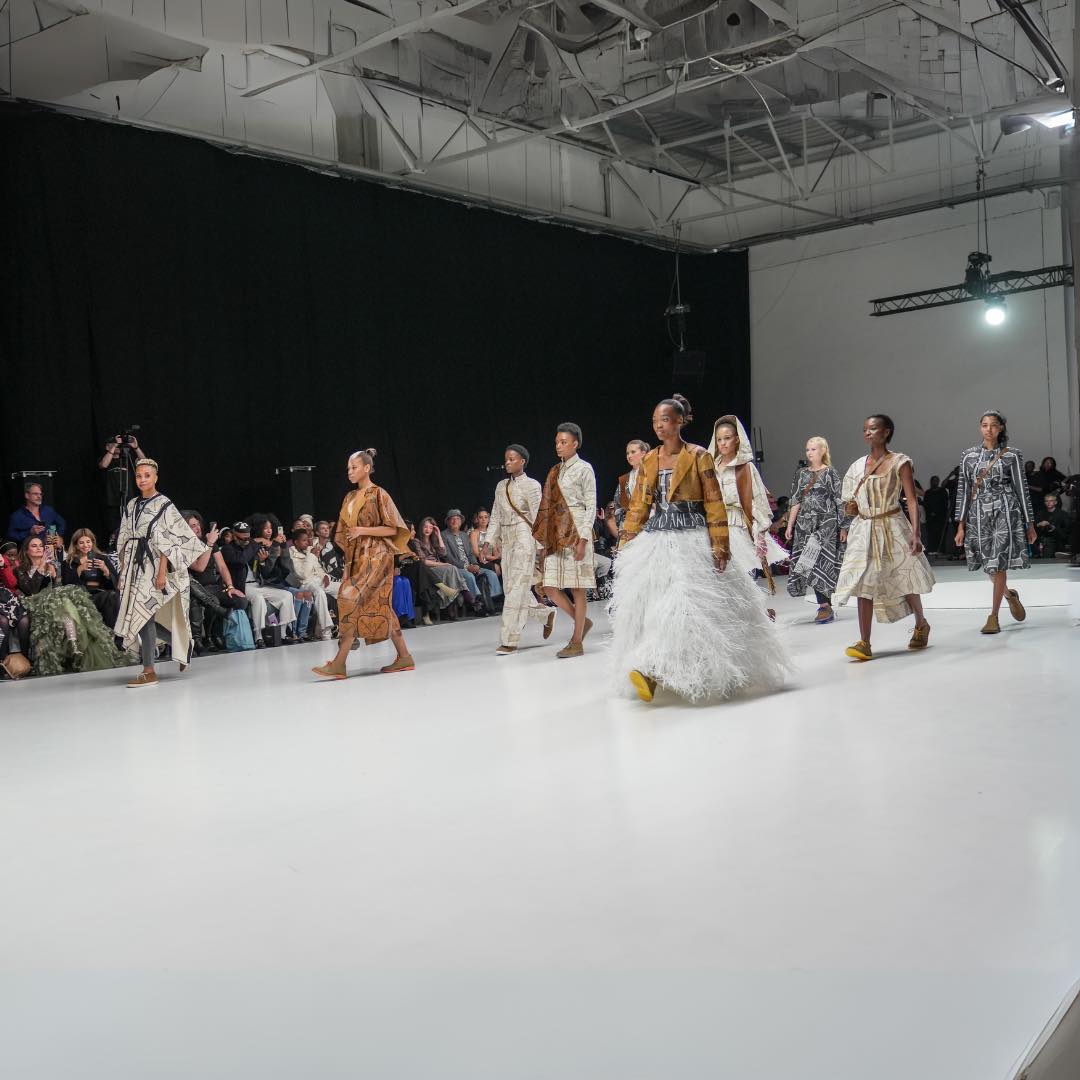
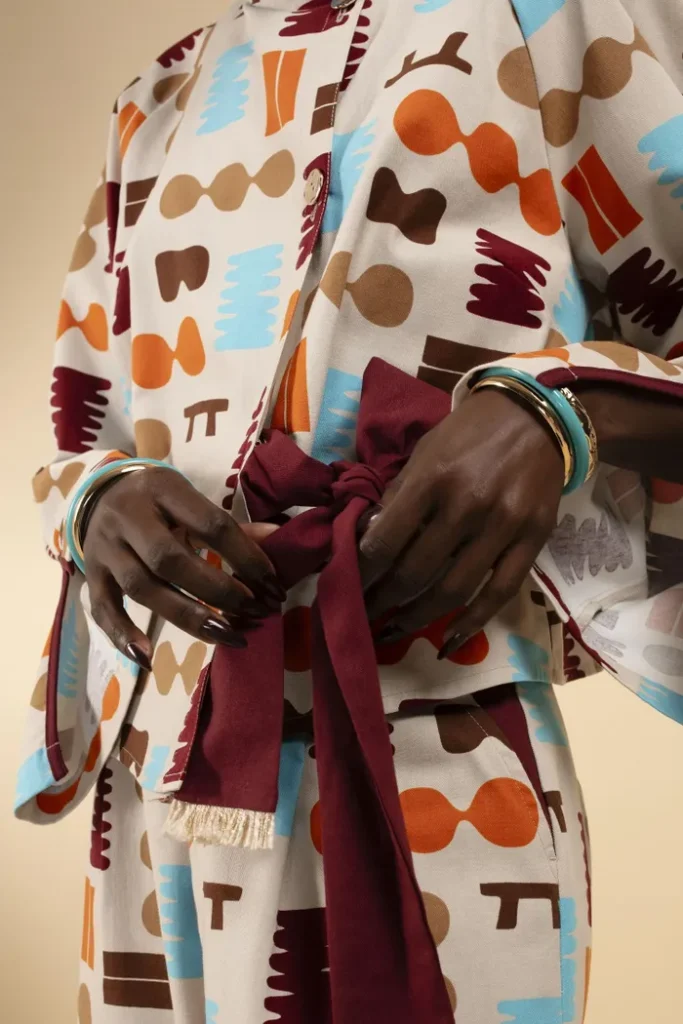
While Mr Price focused on street energy, PnP Clothing concentrated on capacity-building and design infrastructure. In August, PnP launched a Futurewear collection designed by Thabiso Musi, whose “Abstract Clay” capsule fused African art-inspired minimalism, heritage references and wearable silhouettes. September followed with a Heritage-Month collection by Alizwa Sibawu, featuring flowing silhouettes, bold mustard-yellow prints and contemporary styling rooted in South African cultural remembrance. The most strategic development arrived in October with the launch of eight new designs from the Futurewear Collective, a new incubator and mentorship project led by designer Gavin Rajah. Unlike one-off drops, the Collective reflects a longer-term retail strategy: pairing emerging designers with industry mentorship, production support and national distribution. It frames accessible fashion as a platform for innovation, community engagement and local economic impact, positioning design not as a marketing tactic, but as an ecosystem.
The Foschini Group took a parallel route through its digital retail platform Bash, foregrounding heritage and talent development while increasing designer visibility. A standout moment was the Rich Mnisi capsule, released as part of Foschini’s centenary celebrations. Mnisi’s bold, culture-driven aesthetic – which has made him internationally recognised – was translated into ready-to-wear pieces for everyday consumers, alongside couture items auctioned for charity. Emerging talent such as Sipho Mbuto also entered the Bash ecosystem, benefitting from production capabilities, national retail infrastructure and storytelling visibility. Bash effectively became more than a marketplace; it evolved into a designer pipeline, one that expands access to opportunity while offering consumers alternative entry points to local creative fashion.
These collaborations matter because they signal retail’s growing reliance on differentiated value in a shifting global market. At a moment when consumers are increasingly motivated by authenticity, local relevance and cultural narrative – rather than pure pricing or speed – South African retailers are tapping into design to remain competitive. Global market analyses suggest fashion e-commerce is projected to surpass USD 1.2 trillion by 2025, driven by digital shopping patterns, personalised retail experiences and brand values. Designer collaborations give South African retailers the ability to speak to identity and meaning while benefitting from omnichannel reach and scalable distribution. They also democratise access to design-led, culturally rooted clothing, proving that designer fashion need not be elite, rarefied or geographically limited.
The strongest marker of change, however, is structural. Instead of pursuing pop-culture collaborations or celebrity-first marketing, these South African retailers are investing in mentorship, collectives and emerging talent platforms. This signals a long-term cultural and economic shift, one that nurtures local designers, supports manufacturing and empowers South African creative industries to evolve sustainably. Collabs are no longer the exception—they are becoming the method by which retail defines its cultural relevance, business resilience and future growth. If 2025 is an indication of where South African fashion is headed, the next evolution lies in continuous collaboration: retailers developing designer pipelines, designers gaining long-term visibility and communities seeing fashion as a reflection of culture, heritage and innovation.