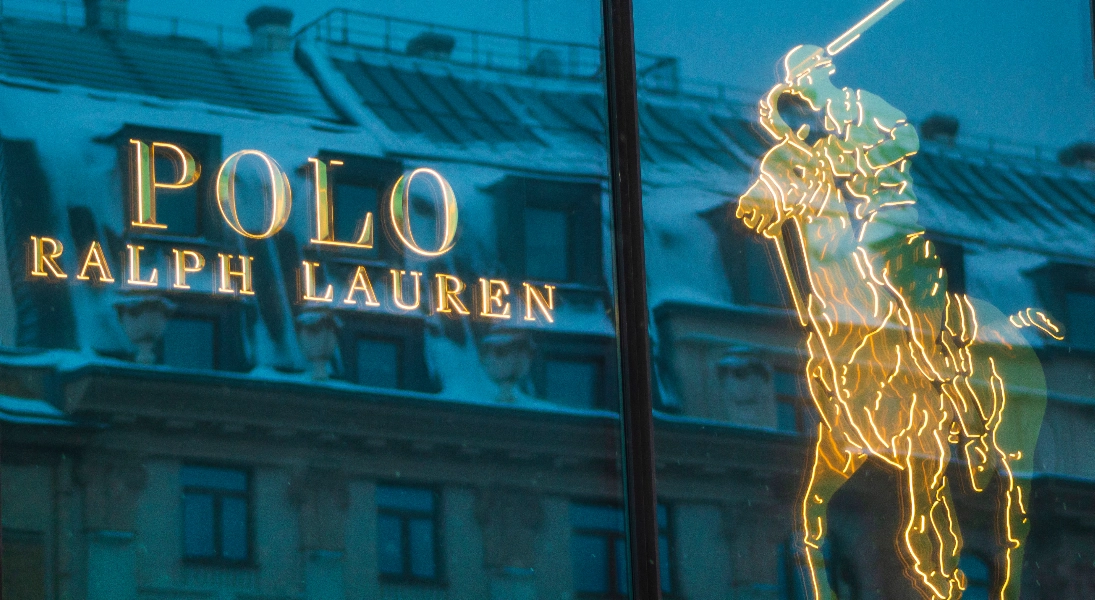
In a defining moment for global fashion consolidation, Ralph Lauren Corporation has officially acquired South Africa’s Polo brand from the LA Group, marking a reconciliation of two parallel histories that once coexisted in confusion. The Competition Commission of South Africa has approved the transaction, allowing for the transfer of all Polo trademarks, filings, and associated goodwill to the American luxury house.
A Legacy of Two Polos
To understand the gravity of this deal, you need to rewind to 1976, when Polo SA was founded by Gordon Joffe and his team, emerging from the L’Uomo shirt factory in Cape Town. Over time, Polo SA evolved into a full lifestyle brand—menswear, womenswear, accessories, even homeware—all under the LA Group’s leadership.
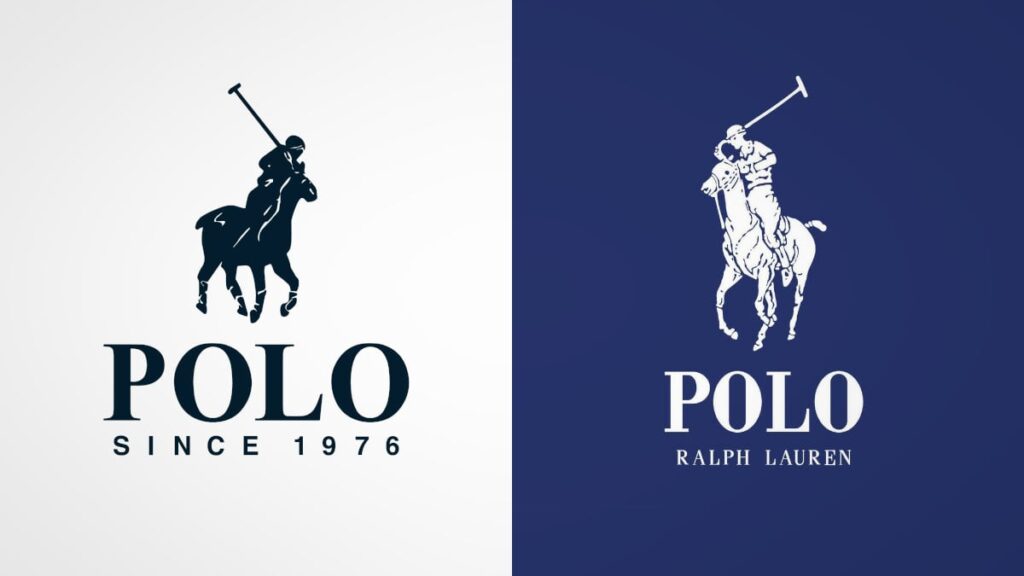
But these roots collide with global fashion history. Polo by Ralph Lauren launched in the U.S. with its iconic mounted polo-player logo in 1967. When LA Group registered a strikingly similar logo in South Africa in 1976, it sparked a long-term legal standoff.
One of the most visually subtle but legally significant distinctions: the direction the polo pony faces. On the South African Polo logo, the pony turns to the right; Ralph Lauren’s faces left. That difference became a hallmark of the coexistence deal struck decades ago.
Courtroom Battle and Brand Tensions
Over the years, the Polo dispute in South Africa has been defined by protracted legal battles rather than brand building. A decisive shift came when the U.S. Polo Association (USPA), through its licensee Stable Brands, took LA Group to court. In 2019, the High Court invalidated over 40 of LA Group’s Polo trademarks, ruling that the term “polo” had become too generic to warrant exclusive ownership by a single entity. The court also raised alarm over how consumers were being confused into believing they were buying Ralph Lauren when they were not.
LA Group appealed. In a landmark 2022 Supreme Court of Appeal (SCA) ruling, the court affirmed that both Polo brands could coexist, provided there was clarity about origin: the South African Polo would continue on clothing, while Ralph Lauren’s Polo mark remained limited (in prior years) to cosmetics and perfume. SAFLII Legal experts hailed the decision as precedent-setting, noting how fine the balance was between trademark protection and consumer confusion.
The Merger Deal: What Changed
Fast-forward to 2025: Ralph Lauren has resolved the decades-old fragmentation by acquiring the South African Polo brand outright. According to the Competition Commission, the deal is not expected to substantially reduce competition in relevant markets. Nevertheless, to safeguard public interest, specific conditions were imposed: LA Group is prohibited from retrenching permanent staff tied to Polo’s manufacturing, distribution, and retail for a defined period.
On its part, Ralph Lauren now holds all rights to the Polo SA trademarks, allowing for a unified long-term strategy. For LA Group, relinquishing the brand may free up capital and strategic bandwidth for other growth areas.
Why This Matters – for Fashion, Consumers & Strategy
1. Brand consolidation and clarity: For decades, South African consumers often didn’t realize they were not buying Ralph Lauren Polo. With the acquisition, that confusion is likely to fade -possibly paving the way for a more authentic, globally integrated brand experience.
2. Market access unlocked: Ralph Lauren can now more fully deploy its Polo clothing lines in South Africa, without navigating the restrictions that previously kept its apparel presence limited. This could have ripple effects for inventory, pricing, and distribution dynamics in the region.
3. Heritage meets scale: Polo SA has deep roots and strong local recognition. Injecting Ralph Lauren’s global design, supply-chain, and luxury positioning could elevate the brand’s quality perception and export potential.
4. Regulatory signal: The Competition Commission’s public-interest conditions (especially around employment) reflect growing sensitivity to how global luxury deals impact local economies – a reminder that brand deals do not happen in a vacuum.
Challenges & Strategic Risks
That said, success is not guaranteed. Some of the potential challenges include:
- Brand integration risk: Merging two Polo identities – one deeply local, one globally aspirational -may alienate existing customers if not handled delicately.
- Cost structure alignment: Revamping supply chains, potentially upgrading quality or materials to match Ralph Lauren standards, could demand significant investment.
- Consumer perception legacy: Years of consumer confusion may linger. Even with rebranding, some shoppers might distrust whether they’re still buying the “old Polo” or the “real Polo.”
- Employee retention & transition: While job protections are in place, navigating personnel integration — especially across manufacturing, design, and operations — will be a complex undertaking.
Looking Ahead
This acquisition marks a symbolic and strategic turning point: the end of a horse-branded divide that has long defined South Africa’s retail landscape. For Ralph Lauren, it’s more than just a trademark win – it’s a chance to reimagine Polo in a key growth region under unified leadership. For Polo SA, it’s a handover that could inject global design muscle into its local heritage.
Time will tell how well Ralph Lauren balances authentic heritage with global luxury aspirations, but one thing is clear: the Polo story in South Africa will gallop into a new era – this time, with all the reins held by a single stable.