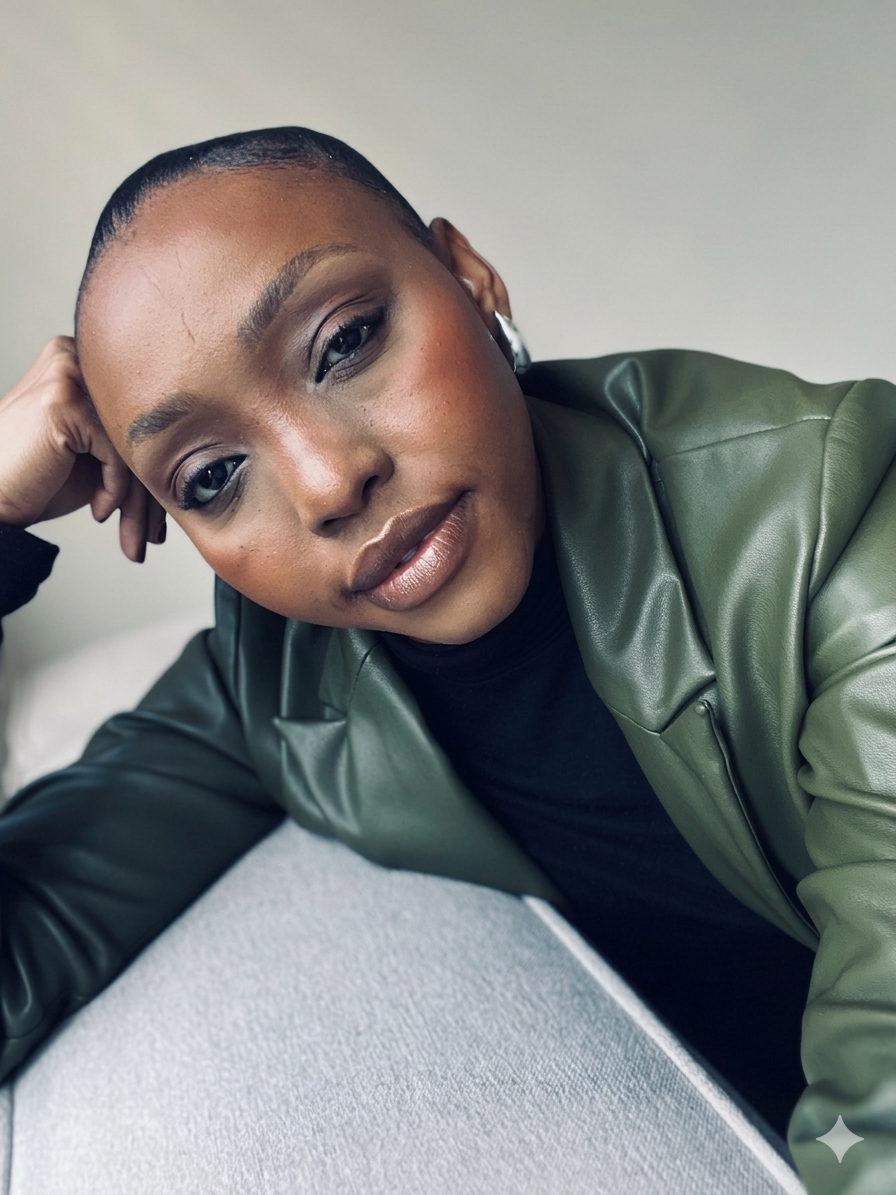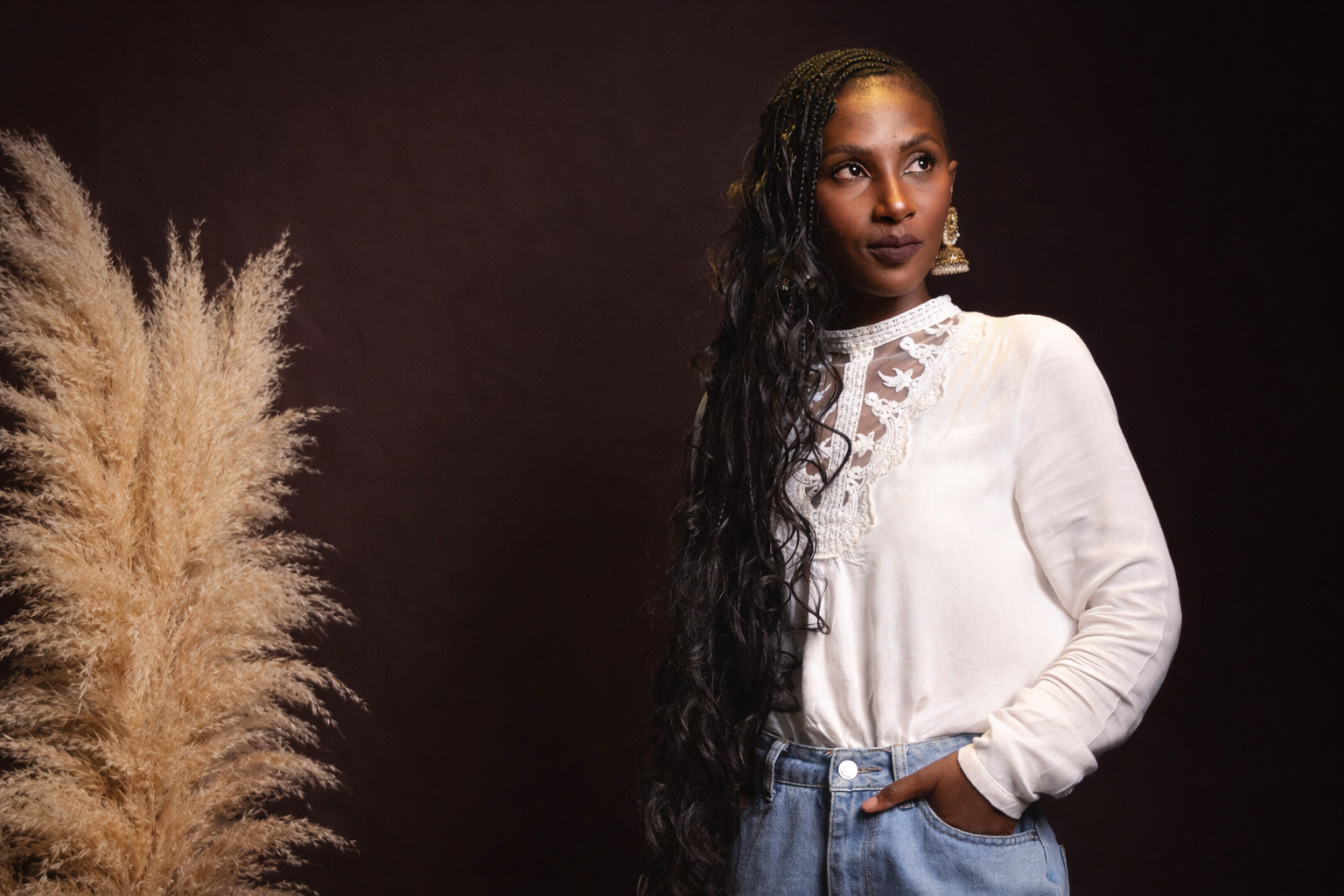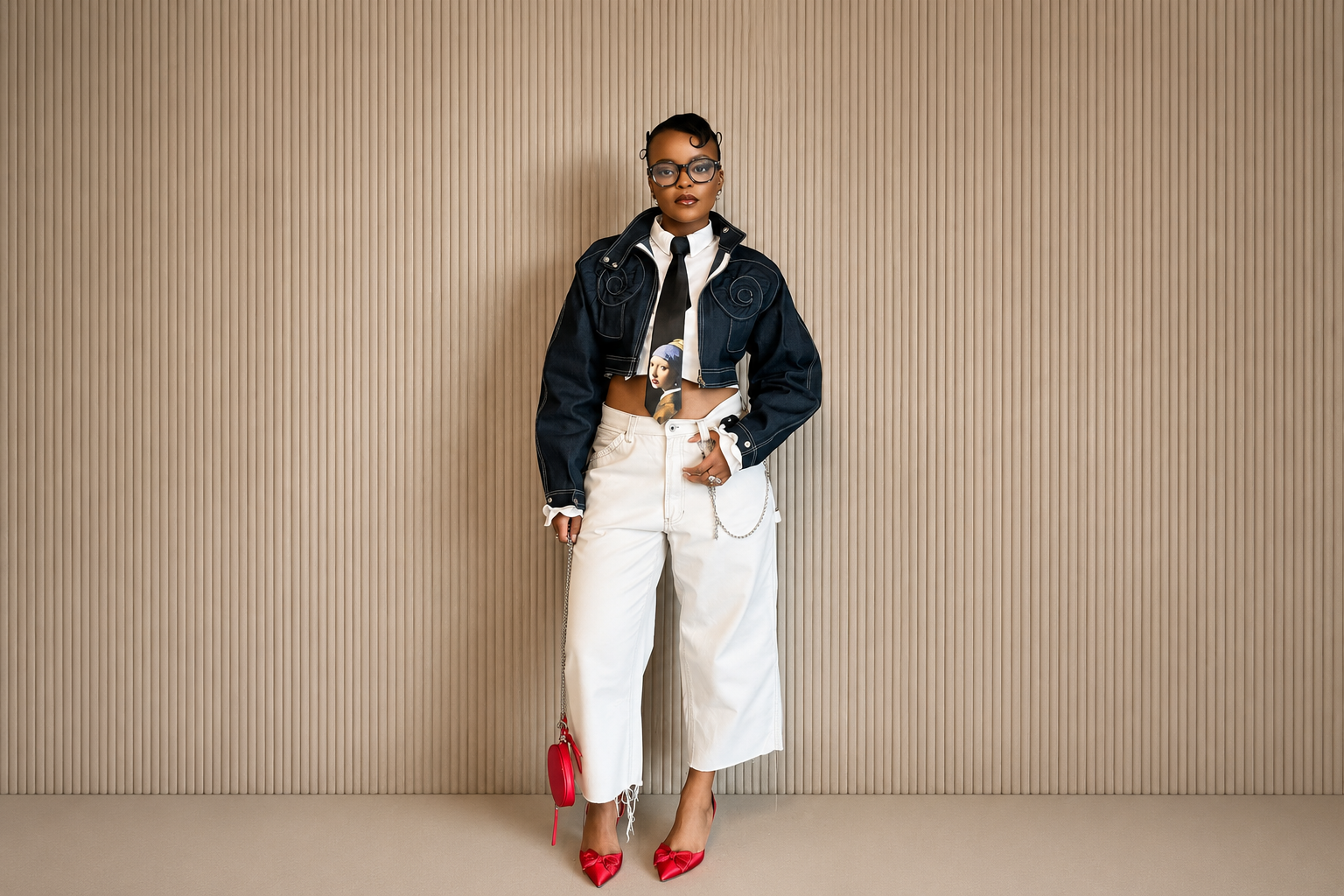
The fashion industry is often viewed through a lens of pure glamour, but for those in the engine room of retail, the reality is far more complex. We sat down with Koketso, a merchandiser who navigates the delicate balance of trend forecasting, data analytics, and the high-stakes world of factory logistics. From debunking industry myths to the rise of the “Ayana It-Girl,” Koketso shares what it really takes to bring a collection from a sketch to the shop floor.
The Foundation: From Design to Strategy
FH: Can you walk us through your early journey – what you studied and the steps that led you into the world of merchandising?
Koketso: I started out by doing a year of Retail Management and Garment Construction, then transitioned to a full three years of fashion design where I did pattern drafting, sketching, sewing, history, business studies, and other skills. After graduating, I got into the YES Program as an Assistant Buyer for a corporate wear company. There, I gained a lot of experience and exposure to the ‘not-so-glamorous’ side of fashion. I became exposed to just how broad the industry is and realized that we don’t all have to be fashion designers. After finishing at that company, I got a job as an Assistant Merchandiser, which helped me decide to stay in merchandising and grow within this specific field.
The Power of Intuition in a Data-Driven World
FH: Fashion still has an element of feeling. Could you walk us through a time when the data said one thing, but your intuition told you to take a different path?
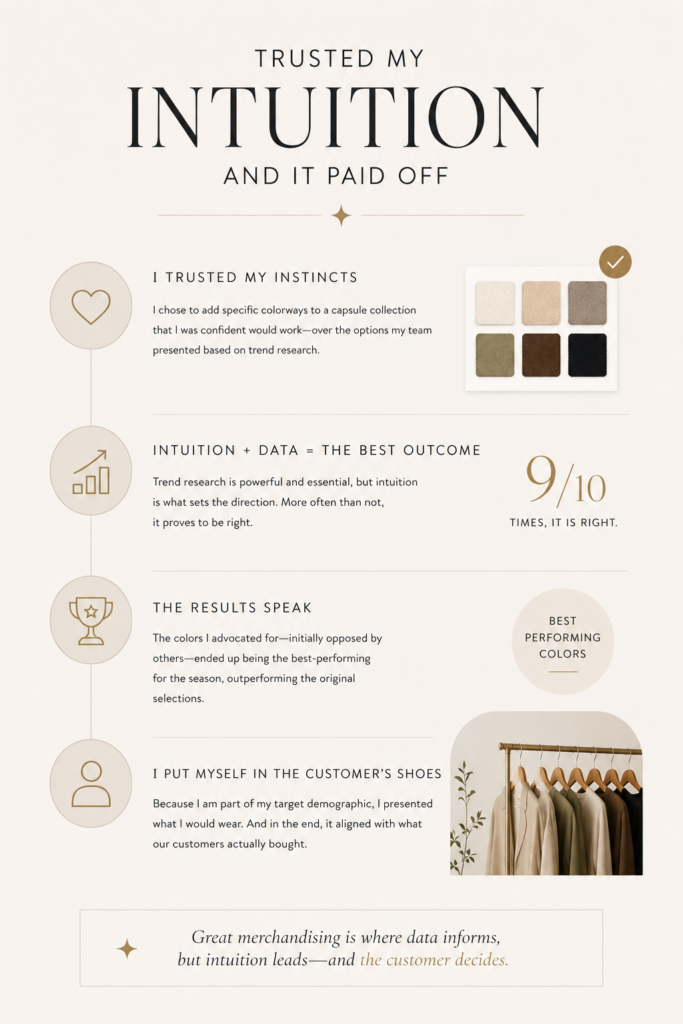
Koketso: There have been multiple instances where I chose to trust my intuition over what the data was suggesting. Sometimes, it was something as simple as adding specific colourways to a capsule collection – choices I felt strongly about, instead of going with the colours the team had presented based on trend research.
Now, don’t get me wrong: trend research is one of our strongest tools when it comes to collections and retail in general. However, there are moments when you have to rely on intuition because, more often than not, it proves to be right. Most of the colours I proposed – initially opposed by others – ended up being the best-performing shades of the season, outperforming the selections originally presented by my team.
In those moments, I put myself in the customer’s position because I fell within that same demographic. I presented what I would genuinely wear, and ultimately, that aligned with what customers actually purchased.
The Speed of “See-Now, Buy-Now“
FH: How do you manage the pressure of staying ahead of a trend that might be over by the time the stock actually hits the floor?
Koketso: It’s challenging to keep up with or stay ahead of trends, especially because we rely heavily on the West and what is trending in those regions. The West largely determines about 80% of what we produce and the trends that retailers choose to follow.
To keep up with trends, I constantly monitor social media and browse online stores of fashion-forward, leading retailers in the West. This allows me to see when something launches there and gives me enough time to present it to retailers, cost it, produce it, and get it into stores just as local interest in that trend begins to grow.
I also think that companies like Shein and Temu make it more challenging, because of how quickly they can turn around styles. They are consistently ahead of the curve, which makes it even more difficult for us to keep up or stay ahead.
Navigating Digital Discovery
FH: How is the shift from traditional malls to digital discovery changing the way you plan a collection? Are you focusing on “scroll-stopping” pieces or timeless staples?
Koketso: I am somewhere between “scroll-stopping” pieces and timeless staples. I believe they both play important roles in customers’ wardrobes. With the impact the digital age has had on the way people shop, we’ve been pushed to create collections that are impactful enough to grab customers’ attention while still offering both scroll-stopping items and timeless pieces.
The main deciding factor comes down to the type of retailer we’re working with at the time. Are they focused on timeless elegance, or are they more about staying on trend and constantly being relevant to what society is currently raving about?
At the moment, my main focus is on timeless pieces for the person who always wants to look good and put together while still keeping things fairly simple. With that in mind, I present pieces and ideas that are mainly staples with modern flair, helping to keep them feeling current and relevant.
Debunking the Merchandising Myth
FH: There’s often a huge gap between what people think a merchandiser does and what the job actually entails. If you could debunk one common myth about your role, which one would it be?
Koketso: Most people are not even aware that my job exists. Therefore, it has to start with explaining the role so that people understand what it is and what it entails. With that being said, one thing people often think about my job is that it’s all about designing fun collections and just calling the shots, when in fact, it’s the opposite.
We do a lot of physical labour, crunching numbers, dealing with local and international logistics, and nine times out of ten – putting out fires with the factories.
The Modern Merchandiser’s Toolkit
FH: What skills or qualities are essential to succeed as a merchandiser today?
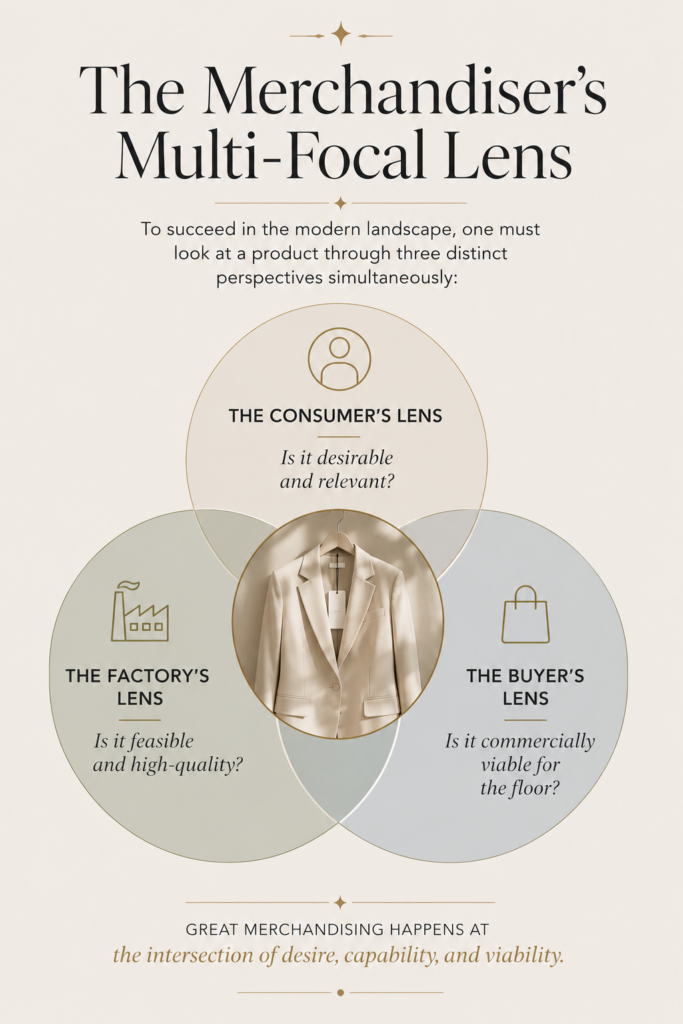
Koketso: There is a wide range of skills required: time management, organizational ability, and a sharp attention to detail – no matter how small. You must also have the ability to truly tap into consumer behavior. You need to view a product through the consumer’s lens, the factory’s lens, and the buyer’s lens to find the necessary middle ground and ensure all three factors align to create an exceptional product.
Furthermore, being constantly aware of where the industry stands – and where it is heading – allows you to use that insight to your advantage to stand out and excel. All of these skills can be continually refined, which will, in turn, help you grow and become a better merchandiser every day. Ultimately, you need to be a multi-focal thinker.
The Creative North Star
FH: Most creatives have their own ‘North Star’ – those brands or designers that just seem to get it right every time. Who are the labels that currently inspire your own work, and what is it about their specific DNA that keeps you watching them?
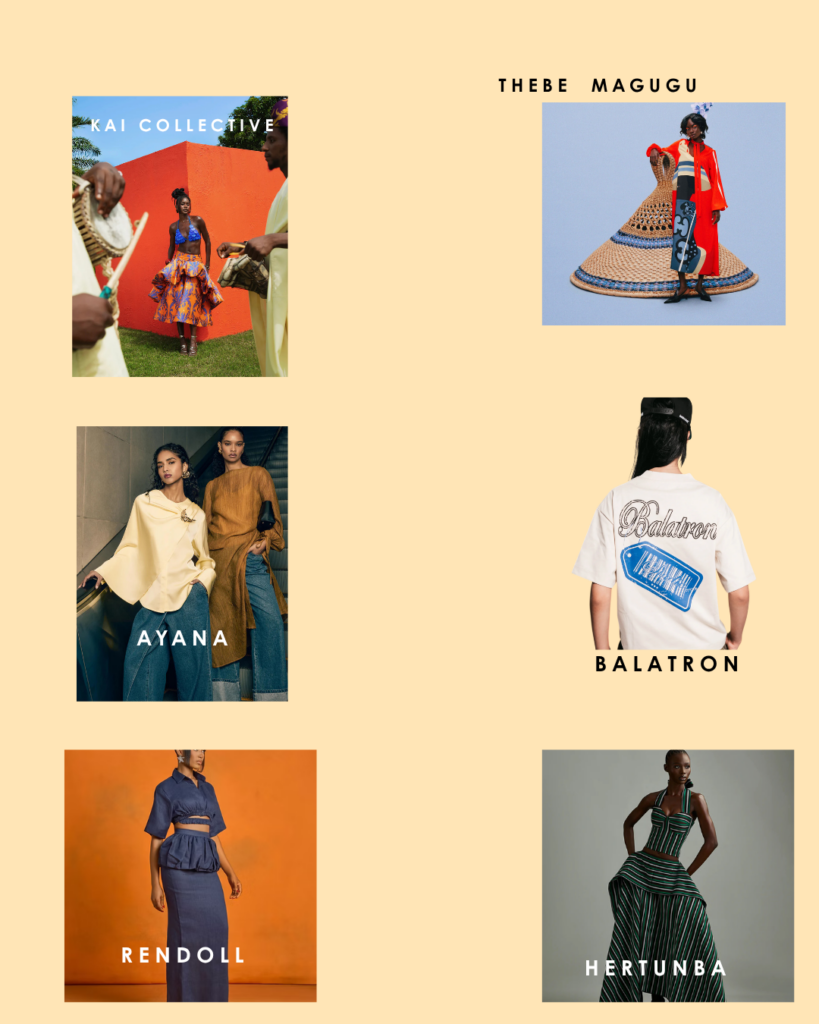
Koketso: Locally, Ayana is absolutely killing the game. They’ve mastered the “It-Girl” silhouette – blending chic, timeless pieces with textures and colors that feel ahead of the curve. I also keep a close eye on African powerhouses like Kai Collective, Rendoll, Hertunba, Balatron Studio, and Thebe Magugu. Their DNA is incredibly distinct and inspiring.
The “Tough Season” as a Teacher
FH: Every career has those high-pressure moments that really test you. Looking back at your journey, what’s the one challenge or ‘tough season’ that actually ended up sharpening your instincts and making you a better merchandiser?
Koketso: Early in my career, a factory completely failed us on a holiday campaign delivery. They led us to believe they were on track for weeks, only to reveal a week before delivery that the fabric had been printed incorrectly. We lost that business entirely.
It was a painful lesson, but it made me far more intentional about how I manage orders and communicate with partners. I can now spot factory patterns and potential red flags long before they become crises.
Staying Grounded in the Noise
FH: Success in fashion often requires a certain level of boldness. What’s the most impactful advice you’ve been given about staying true to your vision while growing your career? How does it help you stay grounded when things get intense?
Koketso: I believe the fashion industry is as rewarding as it is challenging. That said, it requires staying true to yourself, remaining calm, and trusting your own abilities. The best advice I’ve received is to trust my instincts and give 110% to my vision, regardless of any external factors that may arise.
There will inevitably be resistance when working on collections or products, as not everyone sees things the same way. This can lead to conflict or make you question your original ideas. However, as long as you genuinely believe in your vision, you need to see it through.
As mentioned, staying calm is equally important. Things can go wrong at any moment, causing delays or creating tension within a team. Being able to regulate your emotions and maintain a level head is key to navigating these challenges effectively.
The Future of the “Retail Soul”
FH: Looking ahead, there’s so much shifting in how we create and consume fashion. What are you most genuinely excited about when you think about the future of this industry? Is there a specific movement, a new technology, or a change in the ‘retail soul’ that you’re hungry to see more of in the coming years?
Koketso: I am an advocate for African fashion in all its forms – from luxury and streetwear to everyday essentials. I am excited to see African fashion gaining more of the spotlight, allowing the world to truly see and understand its brilliance. I would also love to see the influence of African fashion in more of our retail and chain stores.
Additionally, I am interested to see how artificial intelligence makes its way into the industry. We have seen AI making a significant impact in other sectors, but we are yet to see if and when it will become a major contributing factor to this industry. I believe it is impossible for AI to compete with or match the creativity and organic flair that humans bring to the creative space. While it has been interesting to see it integrated through shopping assistants and virtual try-on features, I don’t see it replacing or competing with human creativity. The fashion industry is ever-changing, and I am excited to see what the next generation brings to the table.
“Africa has always dressed itself with a brilliance the rest of the world is only just beginning to notice. The textures, the silhouettes, the color – it has never needed permission to be extraordinary. It just needs the spotlight it has always deserved.” Koketso Kekana.