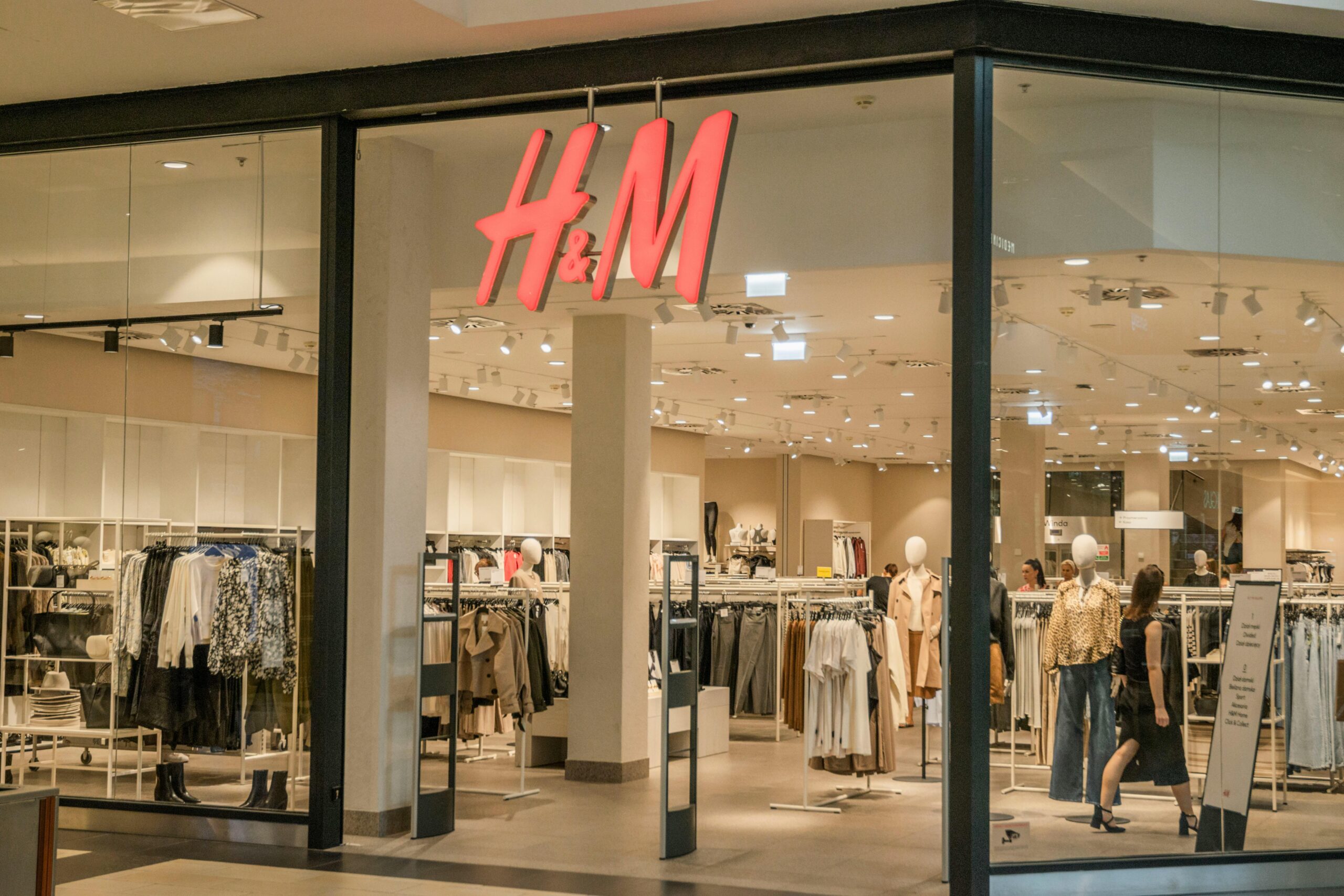
In the high-stakes, fast-moving world of global retail, H&M has long been cast as a sleeping giant – weighed down by bloated inventories, slow reactions to trends, and relentless pressure from Inditex’s Zara and ultra-fast-fashion disruptors like Shein. But H&M’s latest fourth-quarter results suggest the Swedish retailer is no longer sleepwalking.
Instead, it is slimming down, tightening execution, and crucially – delivering profits that markets did not expect.
A Fourth Quarter That Beat the Street
H&M reported a fourth-quarter operating profit of 6.36 billion Swedish crowns ($724 million) for the period ending November 30, 2025, according to Reuters. That figure represents a 38% year-on-year increase and came in well ahead of the 5.53 billion crown analyst consensus, delivering one of the company’s strongest earnings surprises in recent years .
The improvement was not merely absolute but structural. Operating margin widened sharply to 10.7%, up from 7.4% a year earlier, reflecting tighter cost control, improved inventory productivity, and a more disciplined operating model.
For a company that has spent years under scrutiny for weak margins and operational inefficiencies, the numbers mark a decisive break from its recent past.
The Ervér Effect: Fashion Credibility Meets Cost Discipline
At the center of the turnaround is CEO Daniel Ervér, an 18-year H&M veteran tasked with restoring both relevance and profitability. His approach has been two-pronged: elevate brand desirability while enforcing strict operational discipline.
On the brand side, H&M has leaned into high-profile collaborations and celebrity-driven marketing, including a major campaign featuring Charli XCX, aimed at reconnecting with younger, trend-driven consumers. On the operational side, the company has focused on inventory control, supply-chain optimisation, and cost containment.
“Through a strengthened customer offering, good cost control and improved inventory productivity, we continue to take important steps towards all our long-term targets,” Ervér said in a statement accompanying the results .
Less Stores, Better Economics
The strategy is showing tangible results. Over the past year, H&M reduced its physical store count by around 4%, pruning underperforming locations and sharpening its footprint. Yet despite the smaller network, fourth-quarter sales still grew 2% in local currencies, underscoring the company’s “less-but-better” approach to retail .
This is a meaningful shift for a business historically built on scale at almost any cost. Today’s H&M is prioritising productivity per store rather than sheer expansion – a change that is clearly benefiting margins.
A Black Friday Boost – and a Winter Reality Check
That said, the quarter was not without warning signs. H&M acknowledged that exceptionally strong November and Black Friday sales pulled demand forward, resulting in a softer December. Looking ahead, the company expects sales in December and January combined to fall about 2% in local currencies, according to Reuters .
Management attributed the slower start to the new quarter to a combination of factors: a negative calendar effect as the Chinese New Year shifts into February, and cooling consumer sentiment in key European markets. CFO Adam Karlsson cautioned that persistent economic uncertainty could force higher promotional activity and markdowns in the months ahead – a reminder that the consumer backdrop remains fragile.
Strategic Bets: India and Digital Scale
Beyond near-term volatility, H&M is positioning itself for greater resilience in 2026 and beyond. The group plans to increase sourcing from India, leveraging the proposed India-EU trade agreement to reduce exposure to rising global tariffs and supply-chain friction .At the same time, the retailer is doubling down on technology and omnichannel execution. Capital expenditure of 9-10 billion crowns is planned for 2026, focused on digital platforms, logistics, and in-store “retailtainment.” Just over 30% of H&M’s sales now come from online channels, with management aiming to deepen customer engagement through app upgrades and AI-driven trend forecasting.
Market Reaction: Encouraged, Not Convinced
Despite the earnings beat, investor reaction was measured. Shares dipped slightly following the report, reflecting lingering caution around the near-term sales outlook and a broader “show-me-the-growth” stance from the market .
The response suggests that while investors are applauding margin recovery, they remain unconvinced that H&M has fully solved its growth problem – particularly in a retail landscape where consumer demand remains uneven.
The Verdict: A Stronger Foundation, Not a Victory Lap
H&M’s fourth-quarter performance sends a clear message: this is no longer a retailer chasing volume at any cost. With double-digit operating margins, disciplined inventory management, and a sharper brand proposition, H&M has rebuilt its financial foundation.
Still, the road ahead is not without risk. A soft winter trading outlook and cautious consumers mean growth will need to be earned, not assumed. For now, though, one thing is clear: H&M has proven it can be profitable again – and that alone changes the narrative. Whether it can turn margin strength into sustained top-line momentum will define the next chapter of its comeback story.