Luxury retail is once again at a crossroads. According to Bloomberg, Saks Global Enterprises is considering a potential Chapter 11 bankruptcy filing, just 1 year after raising billions of dollars to fund a major turnaround and acquisition strategy. Saks faces a debt payment of more than US$100 million due at the end of the month, and sources say it has limited options to cover it. The news has sent ripples through the fashion and retail industries, raising serious questions about the future of department stores, luxury distribution, and brand partnerships.
What’s Happening at Saks?
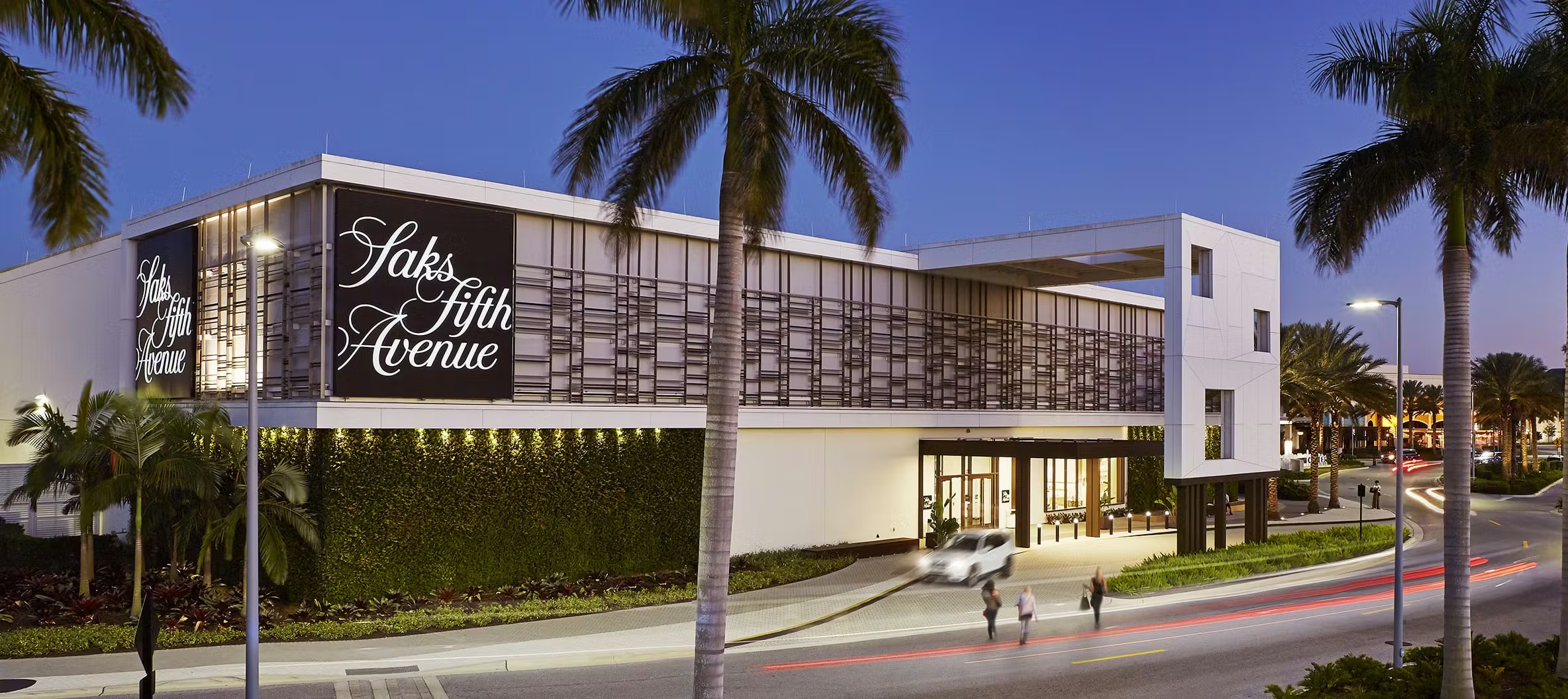
Saks Global is the parent company behind some of the most iconic names in American luxury retail, including Saks Fifth Avenue, Neiman Marcus, Bergdorf Goodman, and Saks Off 5th. Last year, the company raised billions from investors and lenders to finance a sweeping turnaround, including the high-profile acquisition of Neiman Marcus. The goal was scale, efficiency, and renewed relevance in a difficult luxury market. Instead, Saks now faces heavy debt obligations, a large payment due in the near term, tight liquidity, and continued pressure from slowing luxury demand. Bankruptcy is reportedly being considered as a last-resort option, alongside other measures like emergency financing, asset sales, or restructuring talks with lenders.
How Did It Get Here?
The strategy that was meant to save Saks may have accelerated its challenges. The Neiman Marcus acquisition significantly increased Saks’ debt load. While scale can help in theory, it also amplified financial risk, especially in a cooling luxury market. Luxury spending has softened globally as consumers pull back, tourism slows, and aspirational shoppers feel the impact of inflation and economic uncertainty. Reports indicate ongoing tension with brands and suppliers, including delayed payments. This is particularly damaging in luxury, where strong vendor relationships are essential for exclusive product, deliveries, and brand trust. Department stores continue to struggle with high operating costs, large physical footprints, and competition from direct-to-consumer luxury brands and marketplaces.
What Does Chapter 11 Actually Mean?
It’s important to clarify that Chapter 11 bankruptcy does not mean Saks is shutting down. If Saks proceeds with Chapter 11, the company would continue operating while restructuring its debt. Stores would likely remain open, management would renegotiate terms with lenders and landlords, and some assets or divisions could be sold or spun off. In many cases, Chapter 11 is used as a financial reset, not an ending.
What This Means for the Fashion Industry
The implications for the fashion industry are significant. Brands that rely heavily on Saks and Neiman Marcus may face slower payments, reduced orders, and tighter buying budgets. This could push more designers to prioritize direct-to-consumer channels, brand-owned boutiques, and alternative wholesale partners. The situation reinforces a hard truth for department stores: scale alone is no longer enough. Without a differentiated experience, agile inventory strategies, and strong digital integration, traditional department stores remain vulnerable. Shoppers may not see immediate changes, but longer-term impacts could include store closures or consolidations, reduced brand assortments, and a greater push toward online and off-price formats.
Saks’ struggles highlight a larger shift in luxury retail. The old model of massive stores, high inventory risk, and debt-funded expansion is increasingly incompatible with today’s consumer behavior. Luxury shoppers want curation over excess, experience over volume, and authentic brand storytelling over endless racks. Whether Saks can successfully restructure or become another cautionary tale will shape the next chapter of American luxury retail.
Saks is weighing bankruptcy just 1 year after raising billions is a stark reminder that money alone can’t fix broken retail models. The outcome will matter not just for Saks, but for designers, investors, and the future of luxury department stores as a whole.