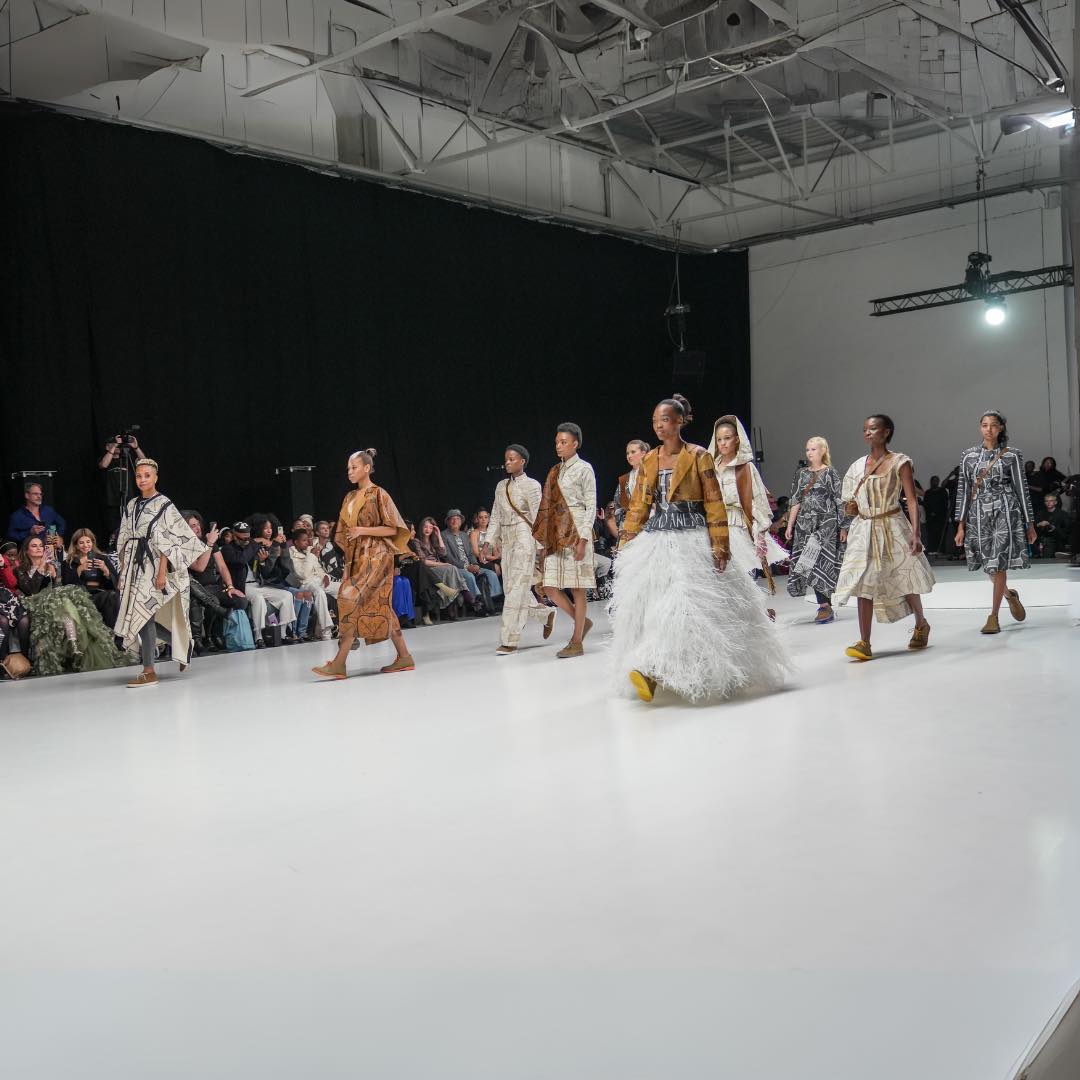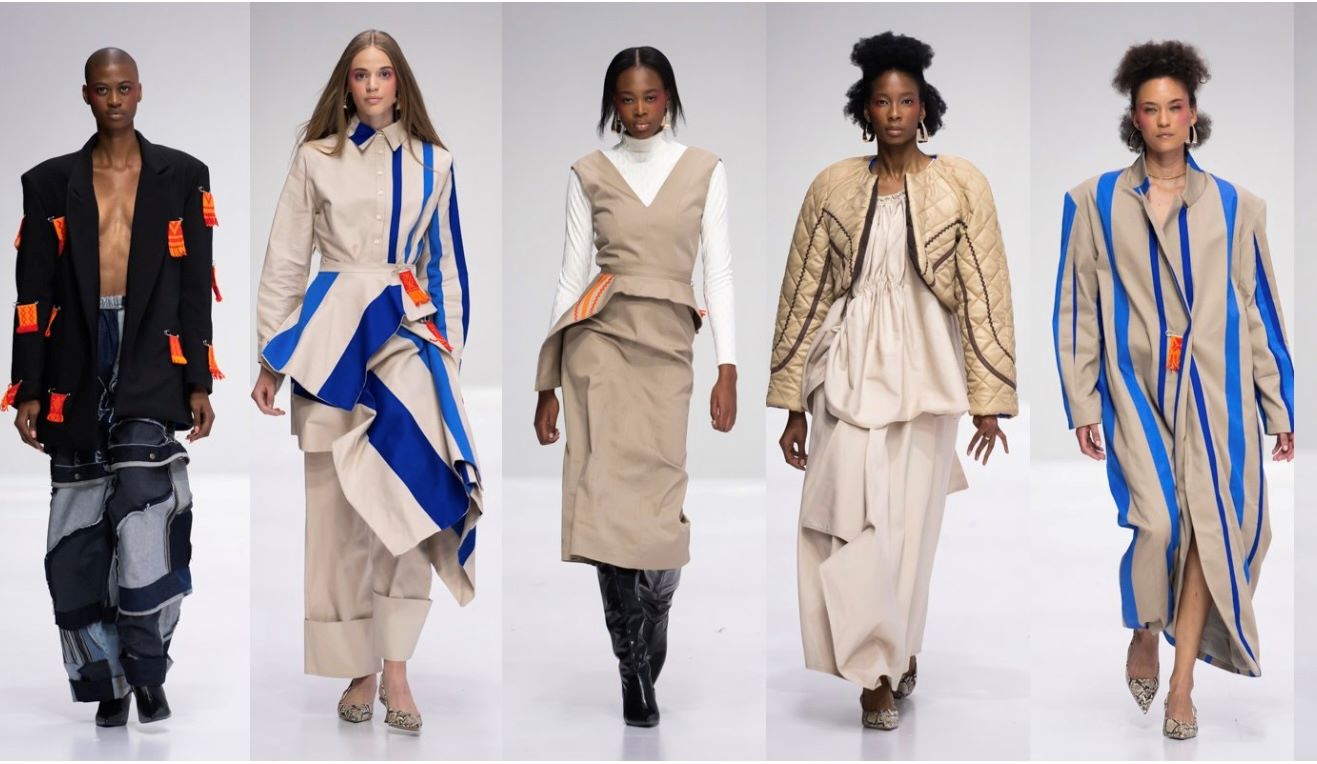
South African Fashion Week (SAFW) has announced a strategic pause after 28 years of influencing and elevating the country’s fashion landscape. Far from signaling an end, this pause represents a deliberate, future-focused recalibration. The fashion world has evolved dramatically in recent years, and SAFW is taking the bold step of realigning itself with modern creative, economic, and technological realities.
Rising production costs, unstable supply chains, and the global shift toward direct-to-consumer selling have made the traditional biannual runway schedule increasingly difficult for designers to maintain. Many labels now rely heavily on social platforms like Instagram and WhatsApp to sell directly to customers, reducing dependence on wholesale buyers. At the same time, corporate sponsorships have become more competitive, with many brands pushing investment toward sports rather than fashion.
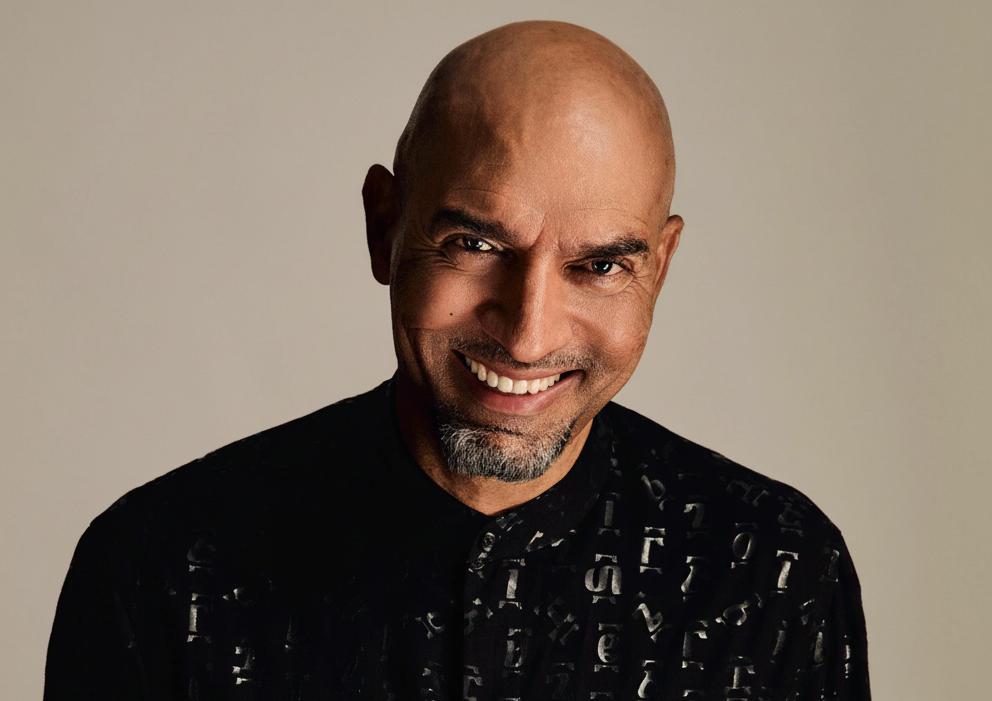
Recognizing these challenges, SAFW leadership chose not to push forward with a model that no longer supports designers at the level they deserve. Instead, the organization is restructuring with intention. Founder and director Lucilla Booyzen captured the heart of this decision, stating: “I believe it is vital that we take a season to listen, think, and reflect together as a designer community and the industry at large, so that we can shape the best new direction and secure a thriving future for our industry.”
Beginning in January 2026, SAFW will relaunch with a hybrid model blending physical runway shows, digital storytelling, intimate presentations, and year-round designer visibility. Instead of compressing the industry into 2 seasonal events, the new structure provides ongoing opportunities for designers to showcase capsule collections or highlight their creative processes throughout the year. This shift promotes accessibility, consistent engagement, and a healthier business rhythm.
Sustainability is central to the evolution. Designers are encouraged to create smaller, more refined collections that prioritize craftsmanship, heritage, and conscious production. This approach reflects a global movement toward slow fashion and reduces the pressure to constantly produce large seasonal drops. By supporting thoughtful design and small-batch manufacturing, SAFW is helping shape a local industry that values longevity over excessive consumption.
The impact of this transition is far-reaching. Designers gain consistent visibility rather than brief seasonal bursts. Retail buyers and fashion editors receive more touchpoints to discover emerging brands. Models, stylists, photographers, makeup artists, and set designers benefit from a steadier stream of opportunities. Digital content creators and fashion media have richer narratives to explore throughout the year instead of only during peak seasons.
Economically, the transformation could significantly boost South Africa’s creative sector. Fashion Week traditionally drives revenue across hospitality, transportation, production, and retail. A year-round model spreads these economic benefits more evenly, reducing the intense peaks associated with seasonal events. Meanwhile, local artisans, textile makers, and manufacturers stand to gain from the emphasis on sustainability and small-batch production. Designer-owned businesses may also see growth through improved storytelling, international visibility, and increased direct-to-consumer sales.
Responses from the designer community have been largely supportive. Many embrace the idea of capsule collections, intimate showcases, and sustainability as natural next steps for the future of African fashion. Designers such as Lezanne Viviers view the shift as a chance to create more meaningfully and connect with audiences in deeper, more intentional ways.
Although the pause may feel uncertain for some, it is ultimately a strategic leap toward long-term stability. SAFW has emphasized that digital programming will continue through 2025, ensuring designers and consumers remain engaged. This moment represents not a withdrawal but a reinvention — a chance for South African Fashion Week to align itself with a transformed fashion world.
As the 2026 relaunch approaches, the industry stands on the edge of a defining moment. With renewed emphasis on sustainability, storytelling, and economic impact, SAFW is positioning itself as a leader in modern fashion innovation. The future of South African fashion is not only bright but globally significant, and this pause is setting the stage for a stronger, smarter, and more inclusive era.