In the packed world of activewear, where brands compete for attention with bold claims and celebrity endorsements, one entrepreneur has quietly built a movement. Grace Beverley, the Oxford graduate and former fitness influencer, has transformed from social media personality to business mogul with her sustainable activewear brand, Tala. With the recent opening of her second London store at Westfield London, Beverley’s journey offers a masterclass in building a brand that resonates with conscious consumers while maintaining commercial success.
Who Is Grace Beverley?
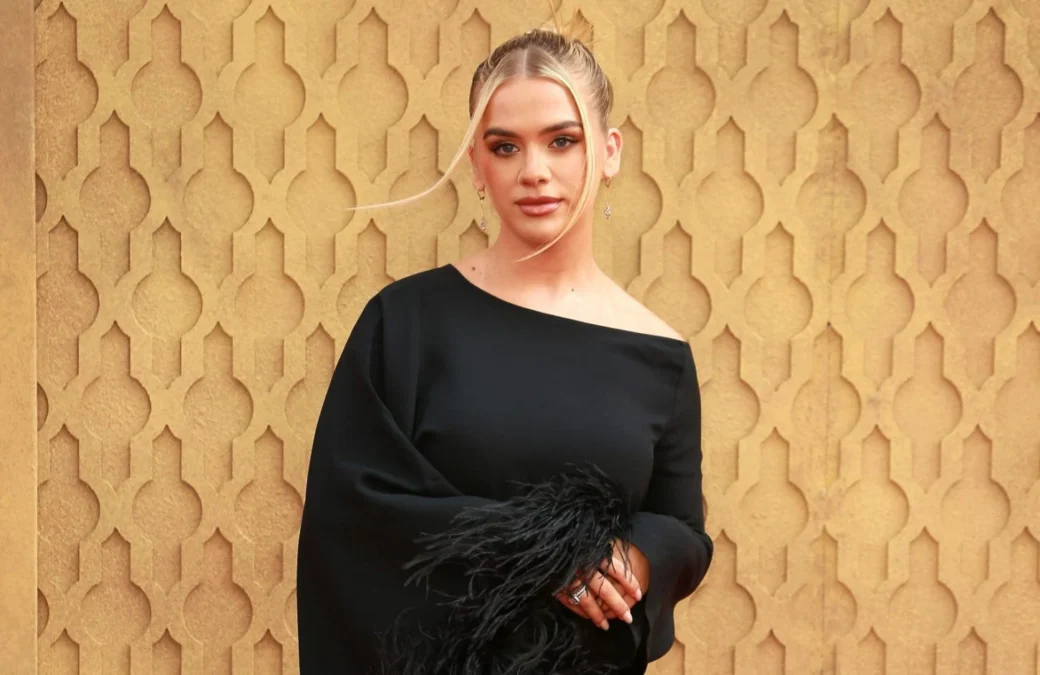
Grace first gained recognition as GraceFitUK—a fitness influencer who amassed over a million followers across social media platforms. But Beverley was never content being just an influencer. By age 23, she had already founded two companies: Shreddy, a fitness tracking app, and Tala, her sustainable activewear brand. Her accomplishments earned her a spot on Forbes’ 30 Under 30 list and the title of London’s Young Entrepreneur of the Year.
Beyond her business ventures, Beverley has established herself as a thought leader through her top-charting podcast “Working Hard with Grace Beverley” (formerly “Working Hard, Hardly Working”). The podcast breaks away from traditional business rhetoric, featuring conversations with everyone from housing campaigners to investors, exploring what success truly means and how to achieve work-life balance without burning out. She’s also a Sunday Times bestselling author, with her book exploring modern work culture, productivity, and fulfillment.
The Birth of Tala: Filling a Gap in Sustainable Fashion
Tala was born from frustration. In 2018, while working with various activewear brands as an influencer, Beverley noticed a glaring problem: the sustainable activewear market was either non-existent or prohibitively expensive. As the conversation around fast fashion intensified, she found herself unable to authentically promote brands that didn’t align with her values—yet the sustainable alternatives often came with price tags that put them out of reach for most consumers, especially her predominantly student audience.
Beverley has explained that when she started looking at sustainable brands, while they were impressive, most seemed to be marketed towards a particular demographic with higher incomes. Price tags of £100 for a pair of leggings simply weren’t accessible for many people, especially students.
Determined to bridge this gap, Beverley spent a year conceptualizing Tala before its launch in May 2019. The brand’s mission was clear: create high-performance activewear from recycled and upcycled materials that could compete with fast fashion on price without compromising on ethics or quality. Within less than a year of trading, Tala had generated £5.2 million in sales, proving that consumers were hungry for accessible sustainable options.
What Makes Tala Different
Tala’s success lies in its refusal to compromise. The brand produces activewear that’s 92% sustainable, using materials like recycled nylon, regenerated waste materials, Lyocell, bamboo, and organic or recycled cotton. Even the packaging is thoughtfully designed—neck labels are made from 100% upcycled nylon, and bags are 100% recycled plastic. By using recycled cotton, Tala saves 4,817 liters of water per tonne compared to conventional cotton.
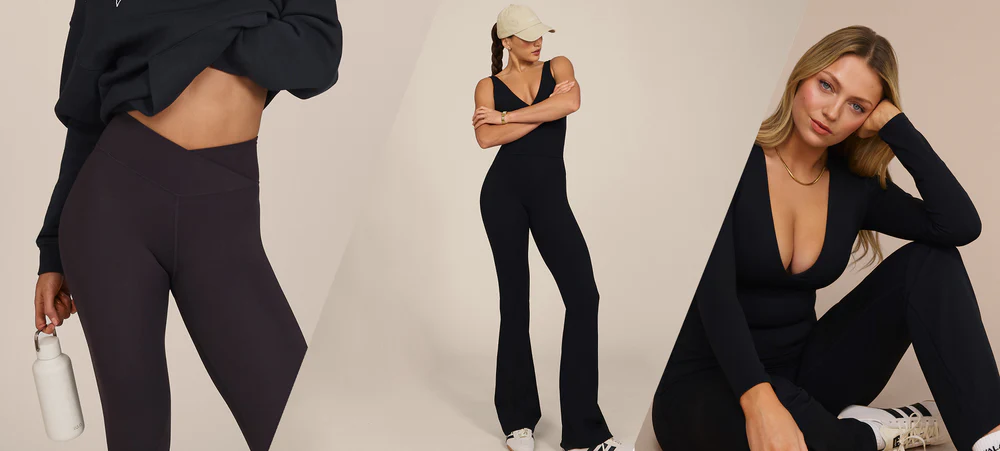
But sustainability is just one pillar of Tala’s identity. The brand obsesses over performance and fit, ensuring their pieces can compete with any activewear brand on the market. From their viral Sculpt Seamless and DayFlex leggings to their innovative multiwear designs, Tala has built a reputation for pieces that are as functional as they are flattering.
Diversity and inclusion are also non-negotiable. Tala extended its sizing to include 2XL to 4XL in 2023, recognizing that 50% of British women are above a size 16, yet only 8% of fashion brands offer plus-size options. Beverley has emphasized that you can’t ask people to shop more sustainably if you’re not providing them with options.
The brand’s pricing strategy is deliberately disruptive. Tala aims to match the prices of conventional activewear brands while maintaining ethical production practices and fair wages for workers. This approach has resonated with consumers, with recent product launches generating hundreds of thousands of pounds in revenue within hours.
From Digital Native to Physical Retail
For years, Tala operated primarily as a direct-to-consumer e-commerce brand, leveraging Beverley’s social media presence and building a devoted community online. The brand’s Instagram, with over 270,000 followers, became a content engine showcasing products on diverse body types and creating an aspirational yet accessible brand identity.
But in May 2025, Tala made a strategic leap into physical retail with its flagship store on London’s iconic Carnaby Street. The 2,000-square-foot, double-fronted space spanning two floors was designed to be more than just a shopping destination—it’s an immersive brand experience that brings Tala’s digital-first identity into the physical world.
Morgan Fowles, Tala’s CEO, explained that opening a physical space was never just about sales—it’s about building a space that lives and breathes the brand. The store features natural materials like wooden parquet flooring and marble, creating a calm yet energized environment. A signature leggings wall allows customers to compare styles and fabrics in person—an interaction that’s impossible to replicate online.
The Carnaby Street opening was backed by a £5 million funding round in July 2024, led by Pembroke VCT with participation from Venrex and Active Partners. The investment also supported senior hiring, including the appointment of former Rapha executive Darren Read as commercial director and Jon Wetherell (formerly of Boden and Net-A-Porter) as creative director.
The flagship’s success exceeded all expectations. Trading performance, footfall, and brand awareness all surpassed projections, validating Tala’s omnichannel strategy and proving that despite being digital natives, Gen Z consumers still value in-person shopping experiences when done right.
The Westfield London Expansion: Scaling Smart
Just months after the Carnaby Street debut, Tala opened its second store at Westfield London on November 1, 2025. The 1,900-square-foot location represents a strategic evolution for the brand, allowing it to test a shopping center format and reach a different customer demographic.
Fowles noted that their Carnaby Street flagship had exceeded all expectations—commercially, in awareness across every channel, and in all the ways possible with a physical space and product available in real time. Westfield London gives them the opportunity to build on that momentum with key points of difference—access to a different customer, shopping in a different context, as well as the flexibility to test new formats.
For Beverley, the Westfield London opening held special significance. She shared that it’s the shopping centre she spent so much of her childhood in, so to now see Tala there is a real full-circle moment. The opening weekend featured live DJs, an in-store photobooth, complimentary drinks and snacks, exclusive product drops, and special gifts for the first 250 shoppers spending £30 or more.
Both store openings demonstrate Tala’s sophisticated understanding of modern retail. Each location stocks store-exclusive products, creating urgency and rewarding in-person visits. The spaces are designed for content creation, encouraging user-generated posts across TikTok and Instagram. Even details like the debut of Tala shopping bags—something the brand never needed before—became emotional moments that fueled social media buzz.
Let’s Talk About the Business of Fashion Lines
The activewear and athleisure market has become one of fashion’s most competitive sectors, with everyone from luxury houses to fast fashion giants vying for market share. What makes Tala’s success particularly noteworthy is how it navigates the inherent contradictions of sustainable fashion—a concept Beverley herself acknowledges is somewhat oxymoronic.
Beverley has explained that in fashion, there’s never going to be a perfect answer about sustainability because it’s always going to be at odds with consumption. The key, she believes, is transparency. Tala doesn’t claim to be perfect; instead, it clearly communicates what it is and isn’t doing, allowing consumers to make informed choices.
This transparency extends to the business model itself. Tala refuses to compromise between paying workers fairly and keeping prices accessible. The brand doesn’t feel comfortable with a trade-off between paying workers a fair amount and having cheaper products—ethics comes first, Beverley has stated. This principle has allowed the brand to maintain credibility with increasingly conscious consumers who can see through greenwashing.
The business of building a fashion line in 2025 also requires a fundamentally different approach to traditional retail. Tala’s digital-first strategy, powered by Beverley’s influencer background and over 3 million combined followers, created a built-in audience from day one. The brand uses social listening extensively, with feedback from Instagram comments and online surveys informing everything from fit adjustments to collection names to store layouts.
Launch strategy is another area where Tala has excelled. By creating controlled scarcity and building anticipation through social media, the brand consistently generates massive revenue spikes. The DayFlex collection launch saw over £370,000 in revenue within two hours, with top styles selling out in 10 minutes. This approach maximizes impact while managing inventory efficiently—crucial for a brand committed to avoiding overproduction.
Funding strategy has also been thoughtful. Rather than raising too much capital too early, Beverley self-funded Tala for nearly three years before taking outside investment in 2022. This allowed her to maintain control while proving the business model. Subsequent funding rounds in 2024 have supported strategic expansion into retail and international markets, with the U.S. representing Tala’s second-largest market after the UK.
Beyond Stores: The Omnichannel Future
While the retail expansion has captured headlines, Tala’s growth strategy is deliberately multifaceted. The brand has established wholesale and shop-in-shop relationships with prestigious retailers including Selfridges, Anthropologie, END, Ounass, and ASOS across the UK, Middle East, and Europe. Each partnership extends Tala’s reach while maintaining brand integrity.
International expansion is clearly on the horizon. The brand already ships globally and has loyal customer bases in Australia and the U.S., but has yet to make meaningful efforts in terms of localized sites and currencies. Beverley has indicated plans to study the customer and really understand what they want in each market before expanding further.
The brand is also expanding product categories beyond core activewear. What started with leggings and sports bras has grown into an entire active-inspired wardrobe including outerwear, underwear, swimwear, and lifestyle pieces. This evolution reflects Tala’s understanding that modern consumers don’t compartmentalize their wardrobes—they want versatile pieces that transition seamlessly from workout to everyday life.
The Grace Beverley Effect
What makes Grace Beverley’s story so compelling isn’t just the success of Tala—it’s how she’s built multiple businesses while maintaining authenticity and transparency. Her podcast continues to chart, her book became a bestseller, and she manages to document her entrepreneurial journey across social media without it feeling performative.
Beverley represents a new generation of entrepreneurs who understand that building a brand today requires more than just a good product. It requires community, values, transparency, and the ability to meet customers wherever they are—whether that’s scrolling Instagram at midnight or browsing a store on Carnaby Street on Saturday afternoon.
Beverley has described Tala as a brand built by women, for women, emphasizing that they know their customer inside and out—that’s the secret sauce. That intimate understanding, combined with an unwavering commitment to making sustainability accessible, has turned Tala from a fitness influencer’s side project into a genuine disruptor in the activewear market.
As Tala continues to expand with more retail locations on the horizon, international growth plans, and an ever-evolving product range, one thing is clear: Grace Beverley isn’t just building a fashion brand. She’s building a movement that proves sustainable, ethical fashion doesn’t have to be a luxury—it can be the new normal.