
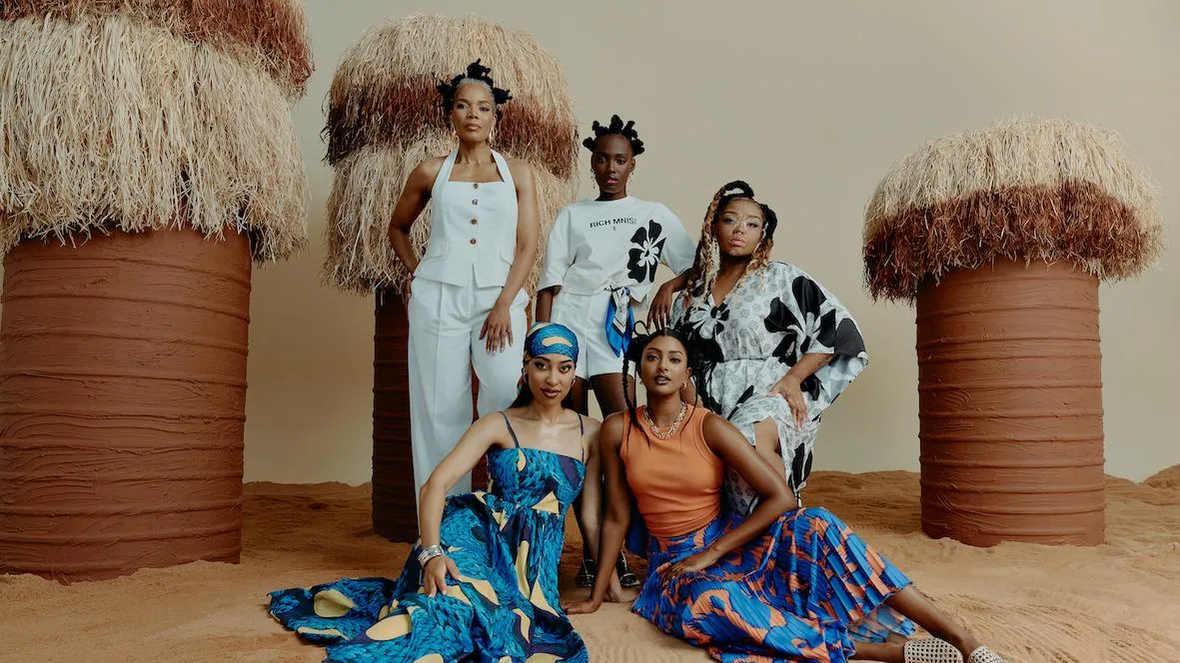
When a brand reaches 100 years of operation, it has inevitably become part of people’s lives, their memories, extant wardrobes and family photo albums. For Foschini, this milestone is not simply a marker of survival; it’s a celebration of legacy, of women, of style, and of a brand that has spanned generations.
On a recent evening, the group gathered to commemorate 100 years of dressing South African women and to articulate what’s next. What makes this moment especially noteworthy, beyond the longevity, is how Foschini did not simply dip into nostalgia – instead, it paired its centenary with a high-profile designer collaboration with RICH MNISI, signaling that it still possesses creative ambition and cultural relevance.
A Brand in Women’s Lives
For many South African women, – grandmothers, mothers, daughters,- the name Foschini carries a familiar ring. It conjures memories of early dress-shopping, of first jobs, of milestone moments. In the crowded, often-volatile fashion retail environment of the past decade, Foschini has been one of the few constants. That endurance matters. The brand holds more than store locations and product lines: it holds trust, continuity, recognition and emotional resonance.
The centenary event emphasised this: the archive, the showcase, the stories of women whose lives have intersected with the brand. In marking 100 years, Foschini marked not just its own evolution but the shifting styles, social change and consumer behaviour of South African women over a century.
Evolution Amid Retail Turbulence
The story of Foschini is not simply one of longevity , – it is one of adaptation. Founded in 1924, the company has long since transformed from a single store into part of a broader retail group.
Over the decades the group expanded its brand portfolio, acquired other retailers, and adopted an increasingly omnichannel approach. For instance: The group formalised its identity under the name TFG (The Foschini Group) as it diversified beyond the eponymous Foschini label.
It embraced digital and omnichannel retailing, recognising that the women whose mothers shopped at Foschini stores now expect seamless online/offline experiences.
It localized significant parts of its supply chain. By increasing local manufacturing, the group reinforced connection to the South African economy and consumer sentiment.
The Collaboration: Where Celebration Meets Vision
Partnering with RICH MNISI for the centenary was more than a celebration tactic. It was a cultural statement. The designer brand is rooted in South African heritage, identity and contemporary design – and by aligning Foschini with that sensibility, the group signalled that it is conscious of identity, of representation, and of elevating local talent.
Through this collaboration, Foschini affirmed that its value to women isn’t just about 100 years of dresses, but about remaining meaningful in the lives of tomorrow’s women. The brand, which many of us saw our grandparents or parents shop at, is saying: we will still matter to your daughters.
Why This Milestone Resonates Now
The retail world is volatile: shifting consumer habits, fast fashion competition, macro-economic pressures, supply chain disruption. For a fashion house to hit 100 years is a feat in and of itself. For Foschini to mark it with creative energy rather than simply a retrospective makes this moment all the more significant.
For South African women, this milestone is not abstract—it is personal. It evokes the dress-shopping trips of a mother; the excitement of a first job outfit; the generational continuity of style. And yet it also invites newness: new designers, new expressions, new women coming into the fold.
Looking Ahead
Celebrating one hundred years is not about resting on laurels—it’s about asking, what comes next? Foschini’s roadmap suggests that the group will continue to evolve: investing in local manufacturing, expanding digital platforms, elevating design collaborations and ensuring that the brand remains accessible while aspirational.
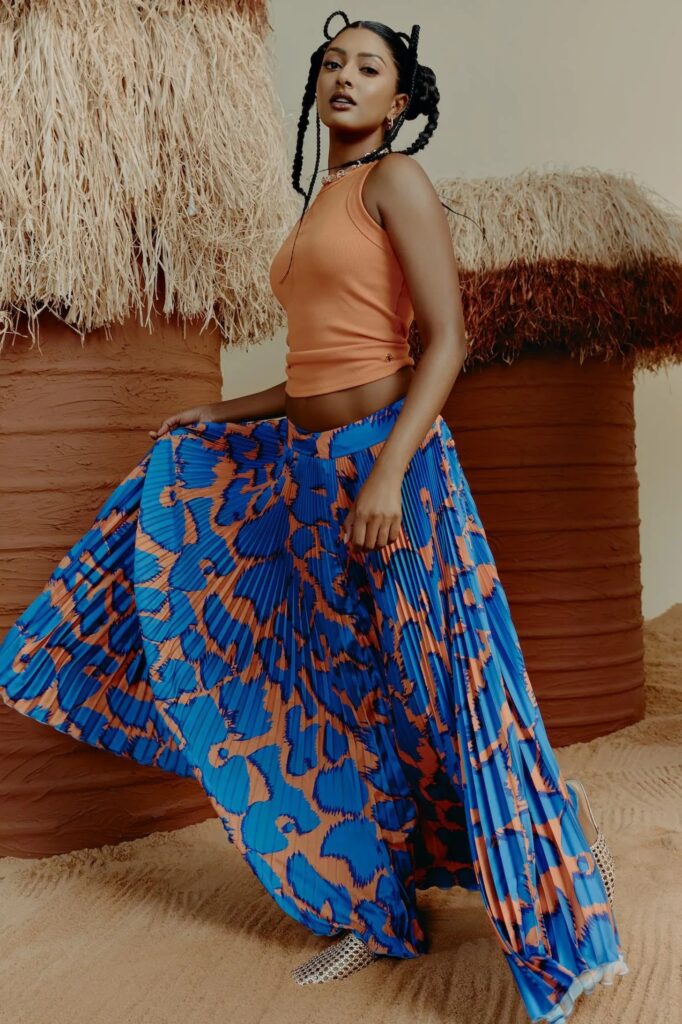
In the dance between heritage and future, Foschini appears to be balancing both: anchoring in 100 years of trust and presence, while pivoting toward relevance, new expressions and sustainability. For women who have shopped there for decades, that is reassuring. For those discovering it now, it promises that the story is still unfolding.


