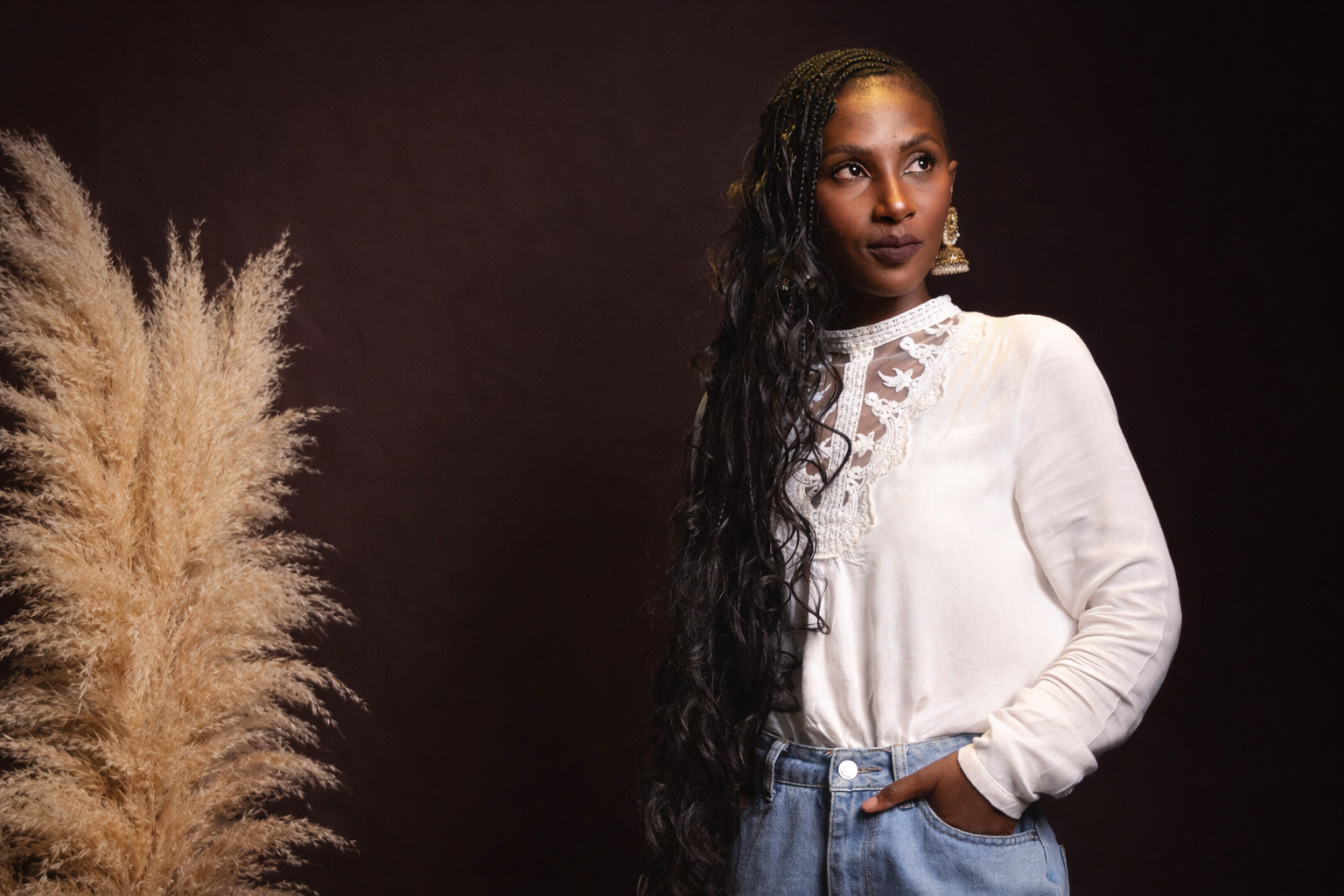
In the world of high-stakes retail, there is a language spoken without a single word. It’s the crisp line of a steamed lapel, the strategic placement of a “palette cleanser” basic, and the invisible pull that leads a customer from a single window display to a full-outfit checkout. At the center of this world is Zabuya Zamanguni Ndlela, a woman who understands that while fashion is an inheritance, visual merchandising is a science.
From the bustling sets of Generations to the sleek floors of global giants like H&M and Country Road, Zabuya has spent nearly two decades mastering the intersection of raw creativity and cold, hard commercial strategy. For her, a store isn’t just a place to buy clothes – it’s a “third space,” a lifestyle extension that must be “humanized” to resonate with the local energy of the South African market.
We spoke with the Pietermaritzburg-born powerhouse to discuss why cleanliness is the most underrated tool in the Visual Merchandising kit, the “unspoken rules” they don’t teach you in fashion school, and why, in 2026, the retail floor is more about selling an experience than a product.
The Journey That Wasn’t Planned
FH: Take us back to the beginning of your journey – what did you study, and how
did your path lead you into visual merchandising? Was this always the plan,
or did you discover it along the way?
Zama: I’ve always loved fashion – clothing is my family’s love language. Looking good is something I inherited from my grandmother and my parents. Growing up, I always knew I wanted to be in the fashion industry, but my path wasn’t fixed. I moved between wanting to be a fashion designer, a buyer, or even a wardrobe mistress.
In my matric year, I did work experience on the set of Generations. That experience changed everything. I got to be on set, meet actors, and even dress a scene that aired on TV. That’s also where I met Gugu Mlambo, who was the shows wardrobe mistress at the time, who eventually started her own design label. Later, she became a key influence in my journey.
After matric, I studied a BA in Fashion Design and interned at her design label in Johannesburg. During that time, I was also dressing mannequins – and one day she pointed out that clients kept asking who was styling them – because they looked so good. Then she asked if I had ever considered visual merchandising.
I barely knew about it.
I think I had only ever seen it in the movie How Stella Got Her Groove Back, where Stella’s best friend was a visual merchandiser. Other than that, I had not been exposed to it as a career option.
However, that moment stayed with me.
After completing my degree, I found myself struggling to secure a role within the buying industry – largely due to being based in Durban, where the fashion landscape is notably limited. Then, one day, I came across an opening for a Visual Merchandiser position at Urban in Pavilion, which at the time formed part of the Platinum Group. I was reminded of what Gugu had shared with me during my internship, and I thought, while my long-term goal was buying, perhaps this was an opportunity worth embracing for now-I needed to work, after all. And so, my journey in visual merchandising began.
“I saw a post for a VM role at Urban in Pavilion. I remembered what Gugu had said – and I thought, let me just take this job, because I needed work. That is where my VM career started.” – Zama Ndlela
Nearly three years later, I was offered a Trainee Buyer position at Mr Price. Naturally, I accepted with great enthusiasm. However, after about two years, I found myself drawn back to visual merchandising. Buying ultimately wasn’t what I had envisioned, and my experience within that space wasn’t particularly fulfilling. I made the decision to return to visual merchandising and continue cultivating my career within that industry.
FH: Visual merchandising sits at the intersection of creativity and business – how did you develop both sides?
Zama: I’ve always been creative, but I also have a strong analytical side. Early in my career, I realised that VM isn’t just about making things look good – it’s about balancing creativity with commercial impact.
Working in value retail really sharpened that for me. In the value space, visual merchandising can be a neglected function, and very few resources are allocated to it, so you learn to justify your ideas through results. You have to demonstrate how creativity can drive growth.
“VM rests on a balance of creativity and commercial action.”
FH: What is the one visual element (lighting, scent) that you believe is the most underrated tool for converting a “browser” into a “buyer”?
Zama: I love this question. I believe some of the most underrated elements of VM are cleanliness, order, and steaming – lol!
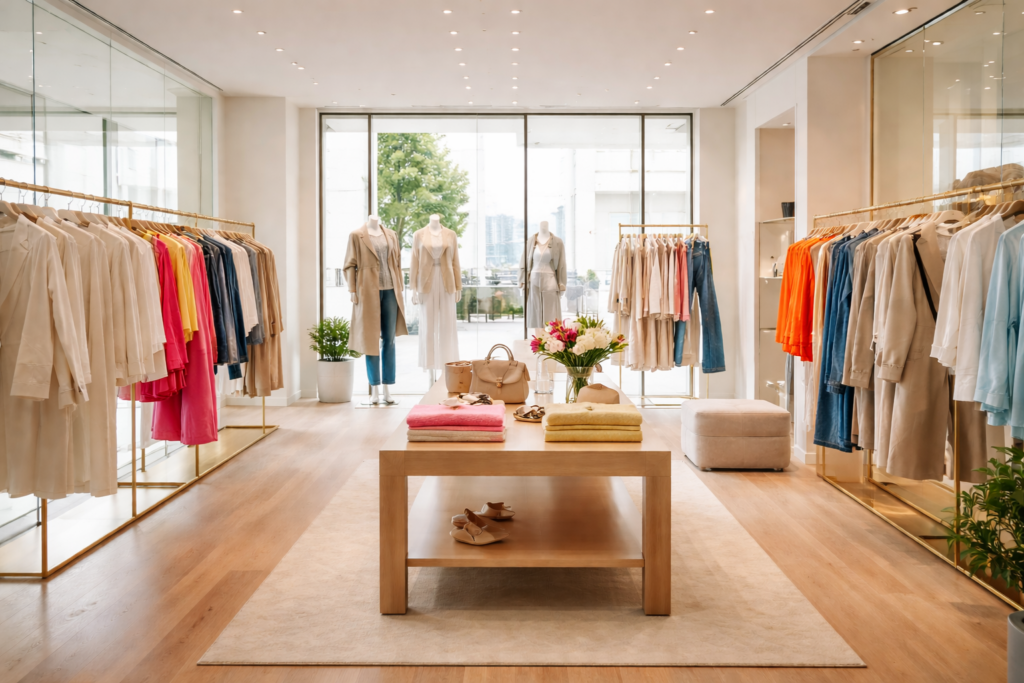
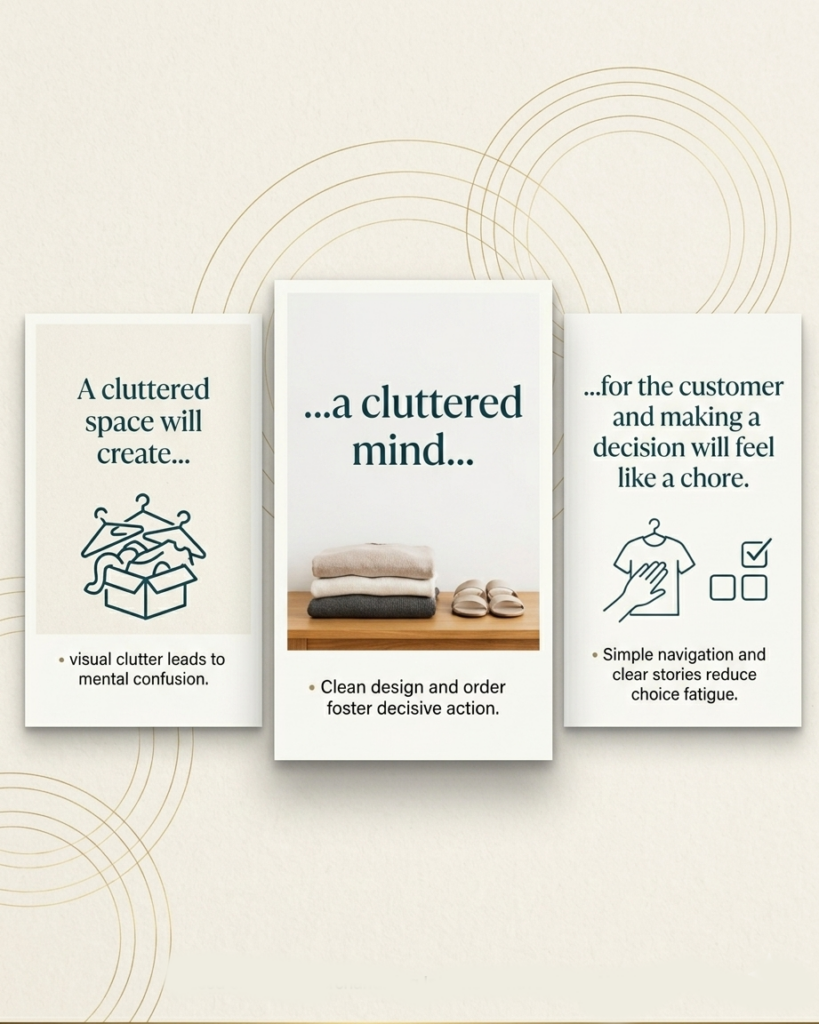
VM is about creating a conducive environment for customers to experience the product. Cleanliness creates a desirable shopping atmosphere, and steamed products make the clothing feel elevated and considered. A cluttered space creates a cluttered mind for the customer, making the process of decision-making feel like a chore – something to be finished quickly so the customer can escape your store.
This might sound dramatic, but think about it: what feeling do you get when you picture yourself shopping in a store with rails upon rails of jumbled clothing? Personally, I feel as if I am drowning.
FH: With retail constantly evolving, how do you stay ahead of trends and
keep your visual strategies fresh and relevant?
Zama: I’m honestly online more than I should be – but it really helps. I follow blogs like ShopDropDaily.com, which showcases international brand activations. I follow Visual Merchandising News on Instagram and connect with visual merchandisers across the world on LinkedIn. Having worked for H&M, I was privileged to be exposed to the great minds behind those customer experiences. And spending time in malls isn’t just shopping for me – I’m constantly analyzing window execution, fixture choices, store flow, display style, and in-store messaging.
FH: How does strong visual merchandising directly impact customer
behaviour and sales performance?
Zama: VM is often called the “silent salesman.”
It starts working before a customer even enters the store – right at the window. Once they’re inside, it guides them. Strong visual merchandising directly impacts foot traffic by drawing customers in and converting a quick trip for a T-shirt into the purchase of a full outfit, all because of how a mannequin is styled or how products are grouped as a story.
“It takes a customer from coming in for a t-shirt to buying a full outfit.”
FH: What are some of the common mistakes you see brands or junior merchandisers make when it comes to in-store presentation?
Zama: The truth is, many retail mistakes happen long before the product ever hits the sales floor. When buying and planning teams work in silos, you end up with fragmented collections, inconsistent storytelling, and stock that just doesn’t make sense together.
Once the clothes finally reach the store, that’s when the real work begins – and it’s easy to slip up if you aren’t intentional. Here are a few common pitfalls I’ve noticed:
- Forgetting the “Palate Cleansers”: You have to balance those bold, high-fashion pieces with basics-like a simple tank top. If you don’t have those neutral moments, your patterns and textures just end up competing, and the whole display feels cluttered.
- Over-saturating with Color: It’s tempting to group everything by one bright color, but without a few neutrals to ground the display, it can feel overwhelming.
- Ignoring Shopping Psychology: Not everyone shops the same way. Men usually shop by category-they want to see all the color options for a specific item, like a golfer shirt, sitting right next to the chinos or jeans that go with it. Women, on the other hand, are often more drawn to a full, styled look. If you don’t build an enticing story around those pieces, you miss the chance to turn a single-item shopper into someone who buys a complete outfit.
- Overlooking the “Pram Test”: A space needs to be functional, not just pretty. If you’re merchandising a kids’ department, you have to think about how a parent with a stroller moves through that space. If the aisles are too tight or the flow is confusing, they won’t stick around.
At the end of the day, these details make a huge difference. When you move away from just “filling the rails” and start thinking about how your customer actually lives and moves, they don’t just shop – they stay longer and actually enjoy the experience.
FH: How do you take a global brand directive and “humanize” it so it
resonates specifically with the local culture and energy of the South African
market?Zama: This is my second time working with an international brand in this manner, and the great thing about South Africa is that it is a diverse country that is also globally influenced. The key is to adapt – not to change the brand’s vision, but to tailor the directive to meet specific local requirements.
For example, take Country Road. The brand originates from Australia – a country with a coastline and climate very similar to South Africa’s. Because of these similarities, their fabric choices and styles are naturally ideal for our climate.
However, where the South African customer might differ is in her personal style; she may be a bit more conservative regarding things like hem length. She might not gravitate toward shorter dresses, preferring a midi length instead. Therefore, in my displays, I bring the midi dresses to the forefront and give less airtime to mini dresses. The full product range is still available in the store, but what is highlighted has been adjusted to better accommodate the local customer.
“It’s not about changing the product – it’s about adjusting what you bring to the front.”
FH: With the rise of e-commerce, how has the “purpose” of a physical store
window changed for you in 2026?Zama: With the rise of e-commerce and its inherent convenience, brick-and-mortar stores are needing to become “third spaces.” It is no longer just about selling clothes or products; it is about selling an experience and an extension of a lifestyle that aligns with the brand. This shift toward experiential retail focuses on transforming physical stores from mere points of sale into lifestyle destinations where customers want to linger, interact, and build a deeper connection with the brand.
You may have seen how some brands have collaborated with others or with smaller businesses to elevate their customer experience. For instance, Zara in Greece had a bagel bar (which is ironic, considering you aren’t usually allowed to eat in their stores, but it worked!). Ackermans has included old-school arcade cabinets in their teen sections, while Typo, Country Road, and Adidas offer personalization services for their items.
Then there is the value of convenience: Markham and Woolworths, for example, offer in-store tailoring. In some Woolworths stores, you can even have an item you purchased tailored for free within three months. It’s all about offering tangible, in-person benefits that you would miss out on if you simply shopped online. By integrating these services, brands successfully bridge the gap between digital convenience and physical engagement, ensuring the store remains a relevant and vital part of the customer’s world
“It is about offering conveniences you would miss out on if you purchased online – customisation, tailoring, community, experience.“
FH: What is the most rewarding part of watching a junior VM under your leadership finally “get” the balance between art and commerce?
Zama: Being able to trust them to independently execute tasks to the point where it becomes a collaborative effort. Seeing them pre-empt a need or strike a balance between visual and commercial needs – that shows me they are growing. It means strategy no longer sits with me as a leader. It becomes a shared effort in the department.
The Rule No One Tell you
FH: For the student currently finishing their undergrad, what is the “unspoken
rule” of the fashion industry they won’t find in their syllabus?
Zama: Creativity is a big part of retail – but it is not at the centre of the industry. Strategy is. The industry is constantly trying to scale, and all actions point to that. So with everything you do, you need to ask the question: do my creative actions help scale the business?
FH: Tell us about a display that “flopped.” What did it teach you about the
customer that you wouldn’t have learned from a success?
Zama: LOL! Unfortunately, this is a normal part of being a VM, and you have to get comfortable with missing the mark every now and again. That said, one moment that really stands out happened very early in my career. It was my first job as an in-store VM, and I was still trying to find my feet. Whenever new stock arrived, I would simply replace items like-for-like in the same spots where the previous products had been.
That week, I had a store visit from our Brand VM Manager. As soon as he arrived, he put his things down, rolled up his sleeves, and completely flipped my store.
I was so embarrassed, because I knew that meant absolutely nothing was working! Even through the embarrassment, I decided to examine exactly how he had reworked the store and why his approach succeeded while mine hadn’t.
I realized that my method lacked strategy. I was just placing product without considering if the surrounding items made visual or commercial sense. I wasn’t questioning which products were moving well and which needed more exposure, and I certainly wasn’t collaborating with department heads to make data-driven decisions.
I also realized I was merchandising out of fear. I was too afraid to totally flip the store or build something from scratch; I was just “placing” product rather than creating a customer experience or a journey that would actually encourage a sale. I wasn’t creating any sense of newness for our regular customers, nor was I showing them fresh ways to style the products we already had in stock.
“I was merchandising in fear, afraid to totally flip the store and build from scratch“
Quick Fire Round
FH: We all have that one ‘visual core memory.’ Which global VM display-regardless
of the brand – was so captivating that it literally stopped you in your tracks,
and why does it still hold such a permanent space in your creative mind?
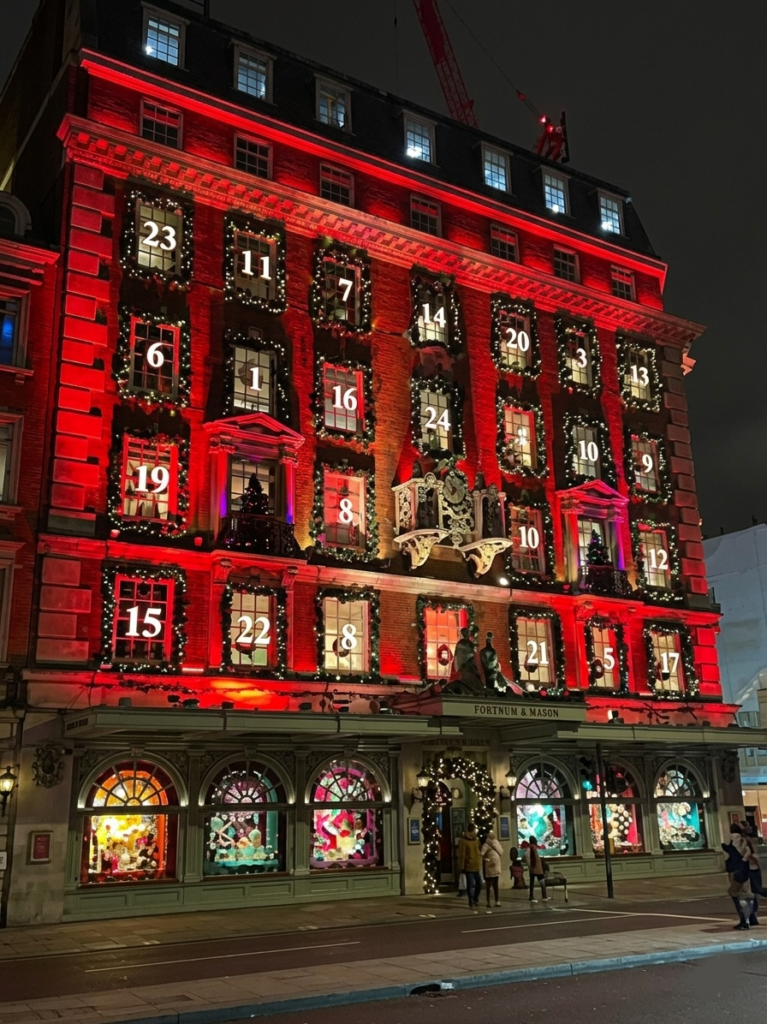
Zama: The Fortnum & Mason Christmas Advent windows at their Piccadilly store are a masterclass in engagement. By turning 30 days into a series of daily reveals, they cultivate sustained anticipation and curiosity. The individual window displays create a rhythm that draws customers back repeatedly, ensuring every featured item receives focused attention -a strategic advantage over the “all-at-once” approach of a single, large-scale holiday reveal.
FH: Favourite book?
Zama: While I don’t have a single “all-time favorite” book, Outliers by Malcolm Gladwell has been front and center for me lately. It dives into the age-old debate of what actually drives success: is it our environment, pure luck, or relentless hard work?
It has sparked some incredible – and at times heated – debates among my friends, which I’ve absolutely loved. I’ll admit, I have some reservations about the book’s perspective, especially where it lacks a truly diverse range of life experiences, but it’s undeniably a powerful catalyst for introspection. It forces you to look at your own path and really question the factors that have shaped your own version of success.
FH: Favourite drink?
Zama: COFFEE!! Literally nothing else matters.
FH: Go-to productivity habit?
Zama: An itemized to-do list is my non-negotiable. There is something deeply satisfying about ticking off completed tasks – it keeps me laser-focused, provides clear direction for the day, and gives me a genuine sense of accomplishment every time I cross an item off the list.
FH: One word you live by in your career?
Zama: “Hello”
I believe that greeting people is undefeated. Acknowledging those you come across – and showing them genuine respect, regardless of their title or position – is everything. It might sound elementary, but you would be shocked at how many people, especially leaders, fail to greet their own team members.
FH: Best and worst advice you’ve ever received in your career?
Zama: Best: Start every day by writing a list, and always remember to personalize your interactions with others.
Worst: Furthering your studies is not always a necessity when you have substantial work experience.
FH: Go to favourite looks?
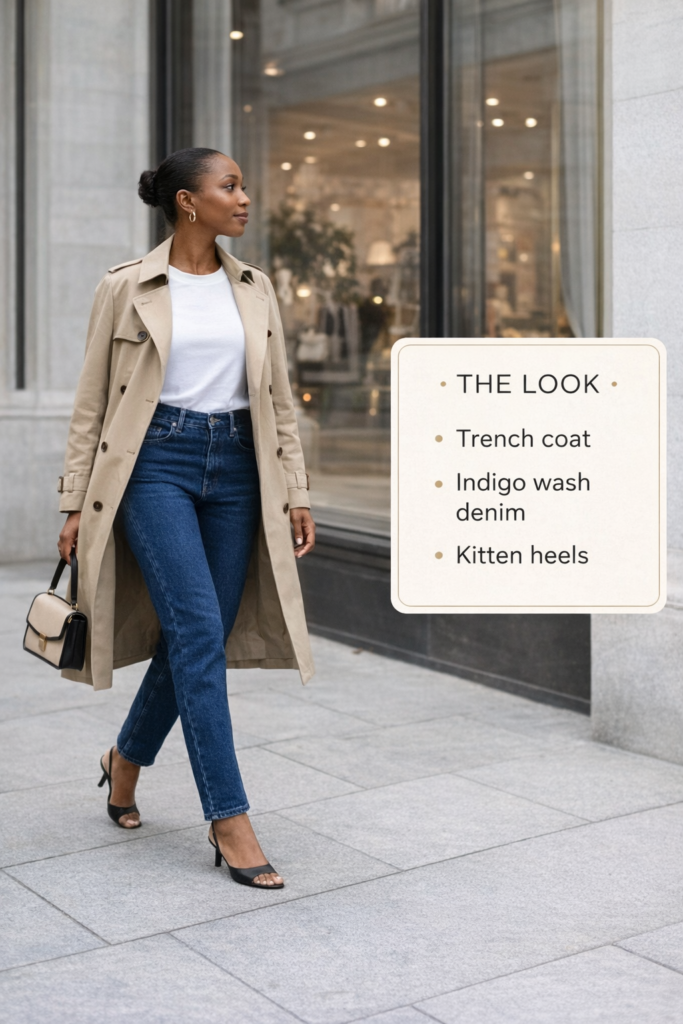
Zama: A white shirt or t-shirt, indigo-wash denim, a trench coat, and heels – specifically a kitten sandal heel right now – make up my go-to look. I could live in this outfit for the rest of my life.
FH: One last question: if you weren’t in visual merchandising, which career path do you think you would have chosen?
Zama: I would have loved to be a wardrobe mistress or a costume designer for film and theater productions. I am fascinated by the intersection of creativity, character research, and development. This is especially true when I see the incredible work being done on local productions like Shaka iLembe.
A Final Note
In a retail landscape increasingly defined by speed and saturation, Zabuya Ndlela operates with a quieter, more deliberate precision. Her work reminds us that true impact lies not in excess, but in intention – where every rail, every fold, every pause in space is considered.
From the festive theatre of London’s iconic windows to the understated elegance of her own uniform -crisp white shirting, indigo denim, a perfectly cut trench, and a subtle kitten heel – her perspective is rooted in clarity, restraint, and cultural awareness. Visual merchandising, in her hands, becomes more than display; it becomes storytelling, psychology, and strategy in motion.
And perhaps that is the real luxury in modern retail – not just what we see, but how seamlessly we are guided to feel.