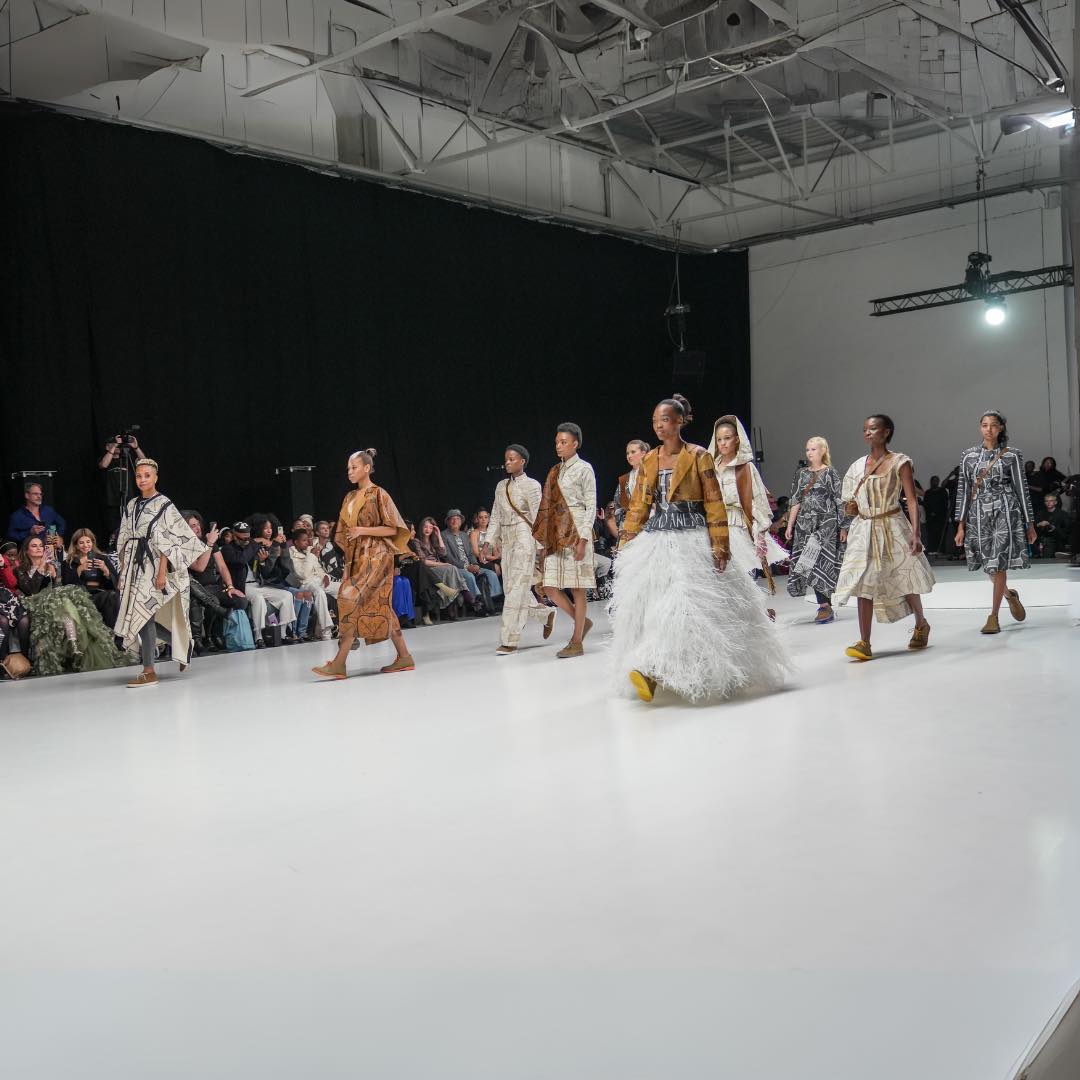
SAFW’s decision to pause live runway shows was not simply a step back – it was a deliberate shift toward building a more impactful, future-facing model.
Rather than retreating from fashion weeks entirely, the organisation used this moment to fundamentally rethink how best to support the creative fashion design industry while contributing more meaningfully to South Africa’s economy. The pause was purposeful. The return is intentional.
After a year of uncertainty, South African Fashion Week is officially back – and with it, a renewed sense of momentum for the local fashion industry.
Established in 1997, South African Fashion Week has grown into one of the country’s most influential platforms for designers. Over the decades, it has played a pivotal role in launching careers, shaping trends, and connecting local talent with buyers, media, and the broader fashion ecosystem.
However, 2025 marked a significant turning point.
SAFW’s decision to take a strategic pause from live runway shows was not simply a step back – it was a deliberate shift toward building a more impactful, future-facing model. Rather than moving away from fashion weeks entirely, the organisation used this moment to rethink how best to support the creative fashion design industry while contributing more meaningfully to South Africa’s economy.
As part of this transition, SAFW introduced its Digital Autumn/Winter 2026 Collections in October. The rollout performed exceptionally well across its platforms, demonstrating that reach, engagement, and commercial impact can extend far beyond the limitations of a single live event.
This shift also reflects a broader industry conversation. Traditional runway shows, while still culturally significant, are increasingly viewed as social spectacles—often centred on visibility and influencer-driven content – rather than purely industry-focused platforms that drive business outcomes for designers.
In response, SAFW is evolving.
The organisation is now opening its platform to designers who are actively trading, profitable, and who understand the value of fashion week as a strategic marketing tool. This signals a more intentional, business-oriented approach – one that prioritises sustainability and long-term growth within the industry.
At the core of this evolution is a new hybrid model, combining digital storytelling with curated in-person shows and experiences. This approach gives designers greater flexibility in how they present and sell their collections, while also unlocking new income opportunities across the fashion value chain.
It also marks a significant expansion in reach. By integrating both digital and physical platforms, SAFW is creating more avenues for sponsorship while enabling year-round visibility for designers and partners. With a growing social media community approaching one million followers and an established annual reach exceeding 500 million, the platform is positioning itself for even greater influence.
Still, the absence of live runway shows in 2025 was deeply felt.
For many designers, the runway remains a critical space for storytelling, validation, and industry connection. Its temporary pause sent shockwaves through the local fashion landscape, raising questions about access, support structures, and the future of traditional fashion week formats.
Now, in 2026, the runway returns – but with a renewed purpose.
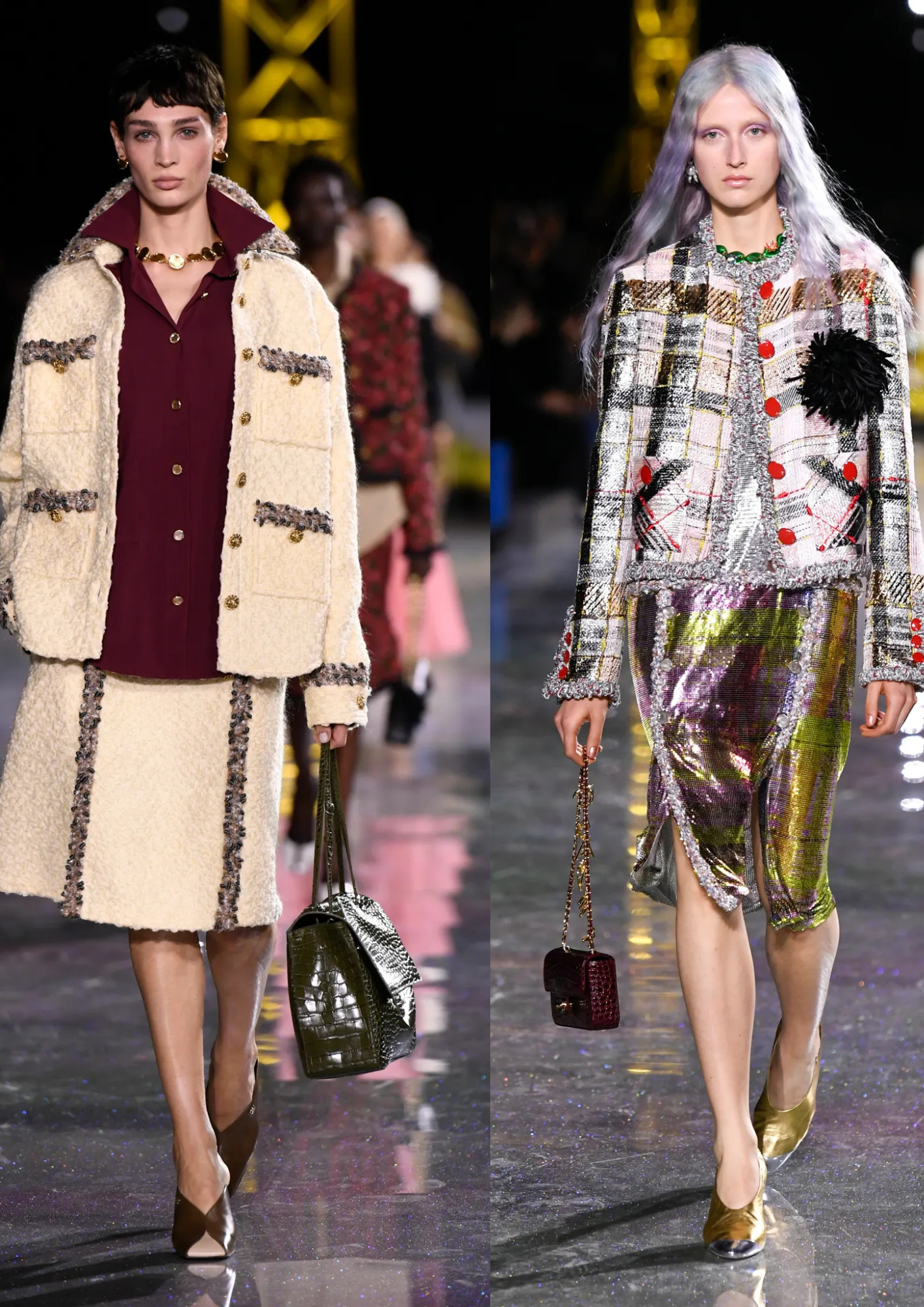
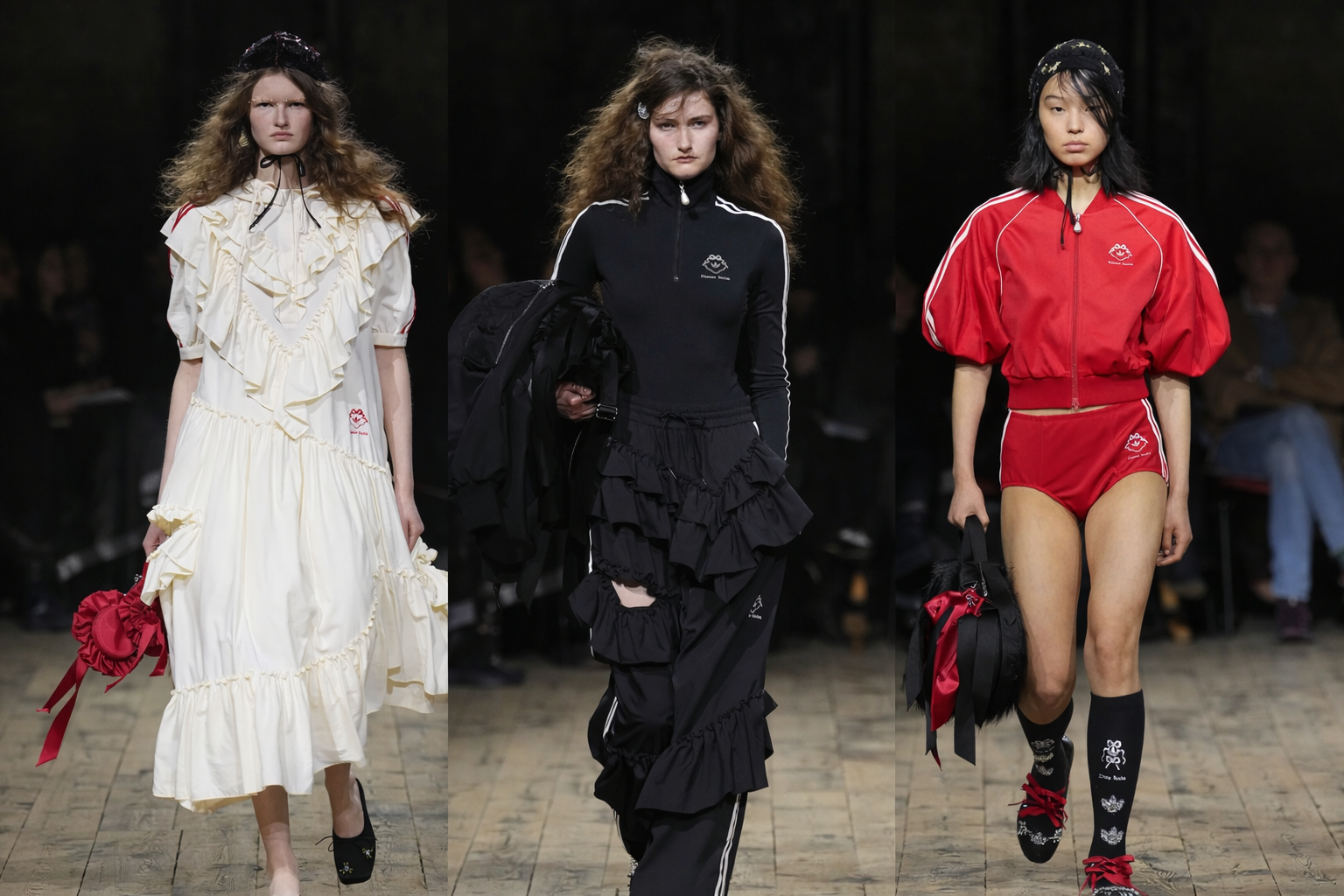
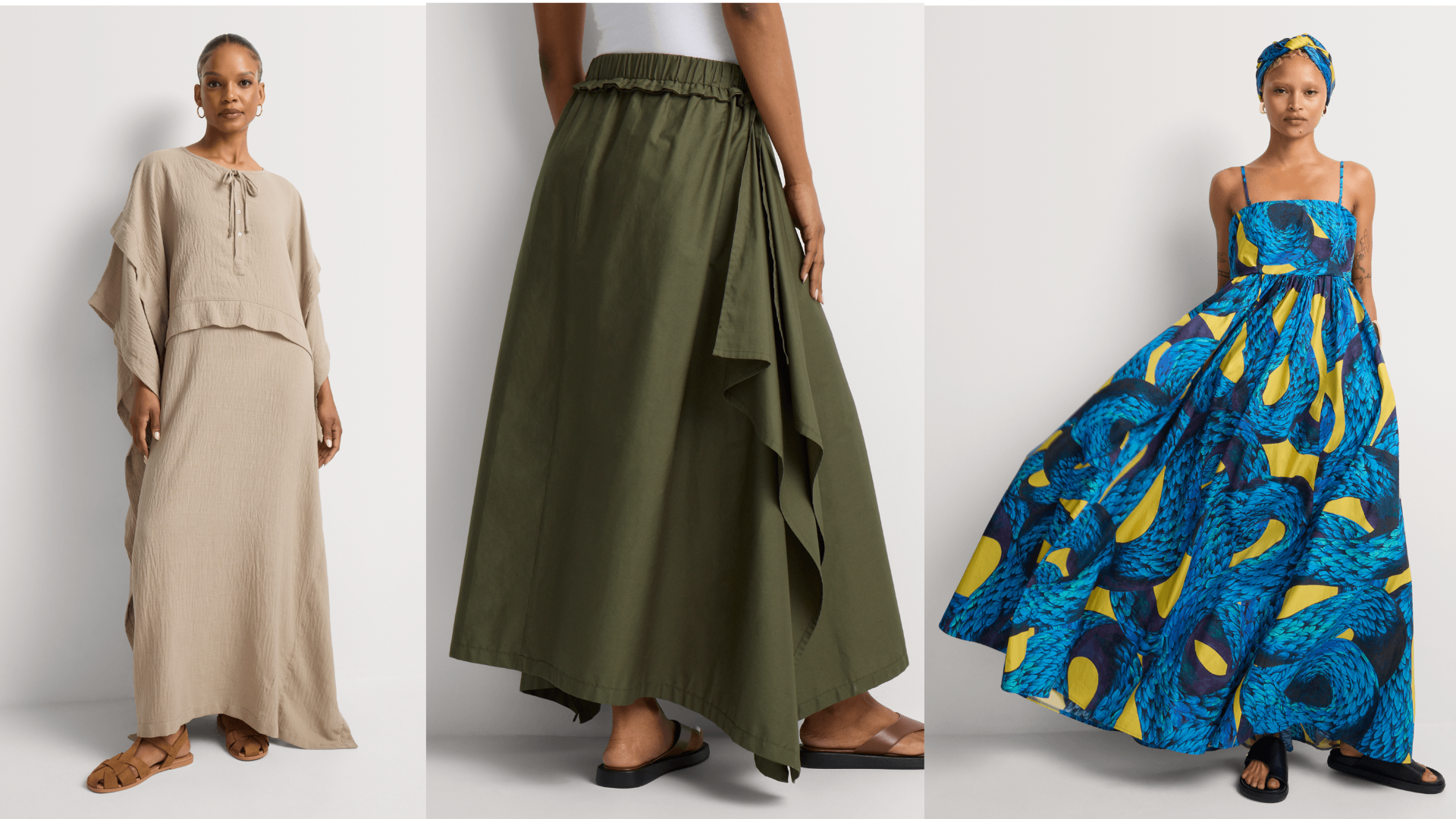
South African Fashion Week will host its Spring/Summer 2026 collections from 23 to 25 April, marking its comeback through this newly established hybrid format. More than just a return to form, this moment represents a recalibration of what fashion week can be.
It is a reaffirmation of SAFW’s long-standing commitment to building a fashion industry that creates jobs, supports local designers, and positions South Africa as a competitive force within the global fashion economy.