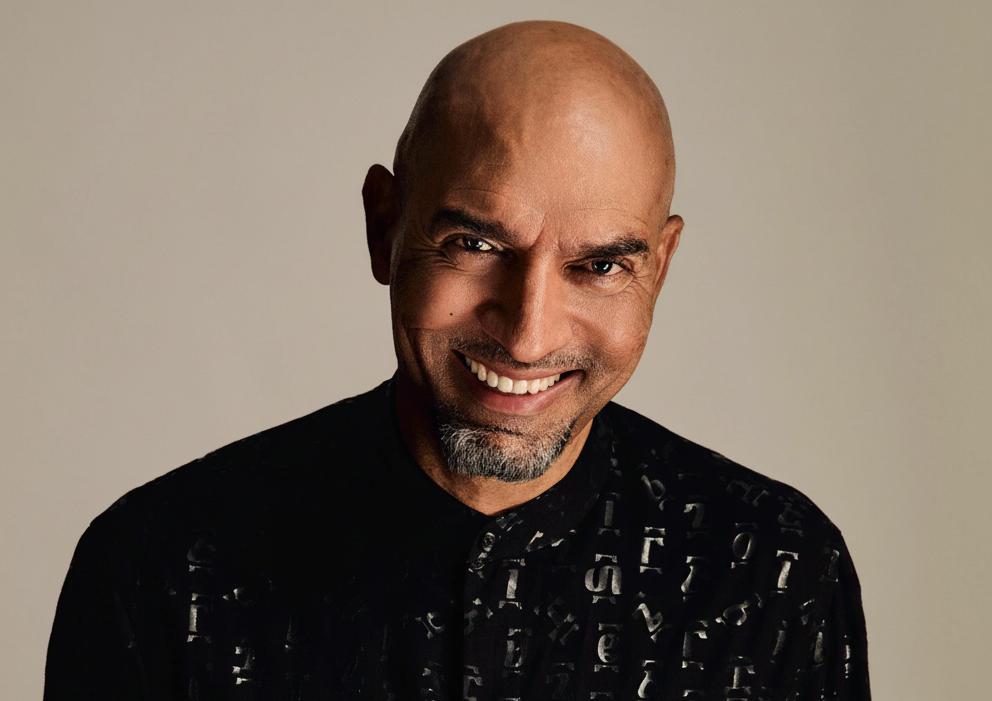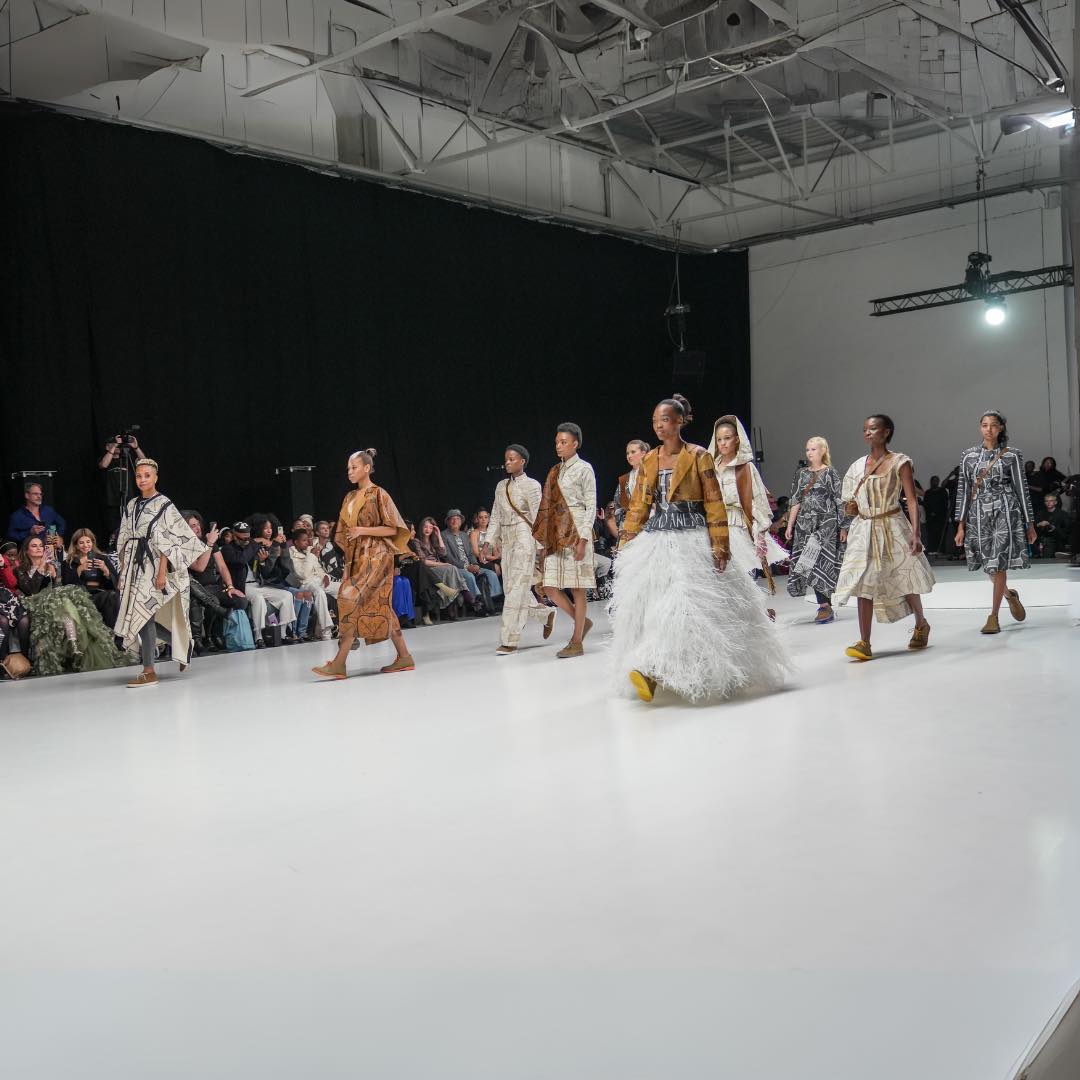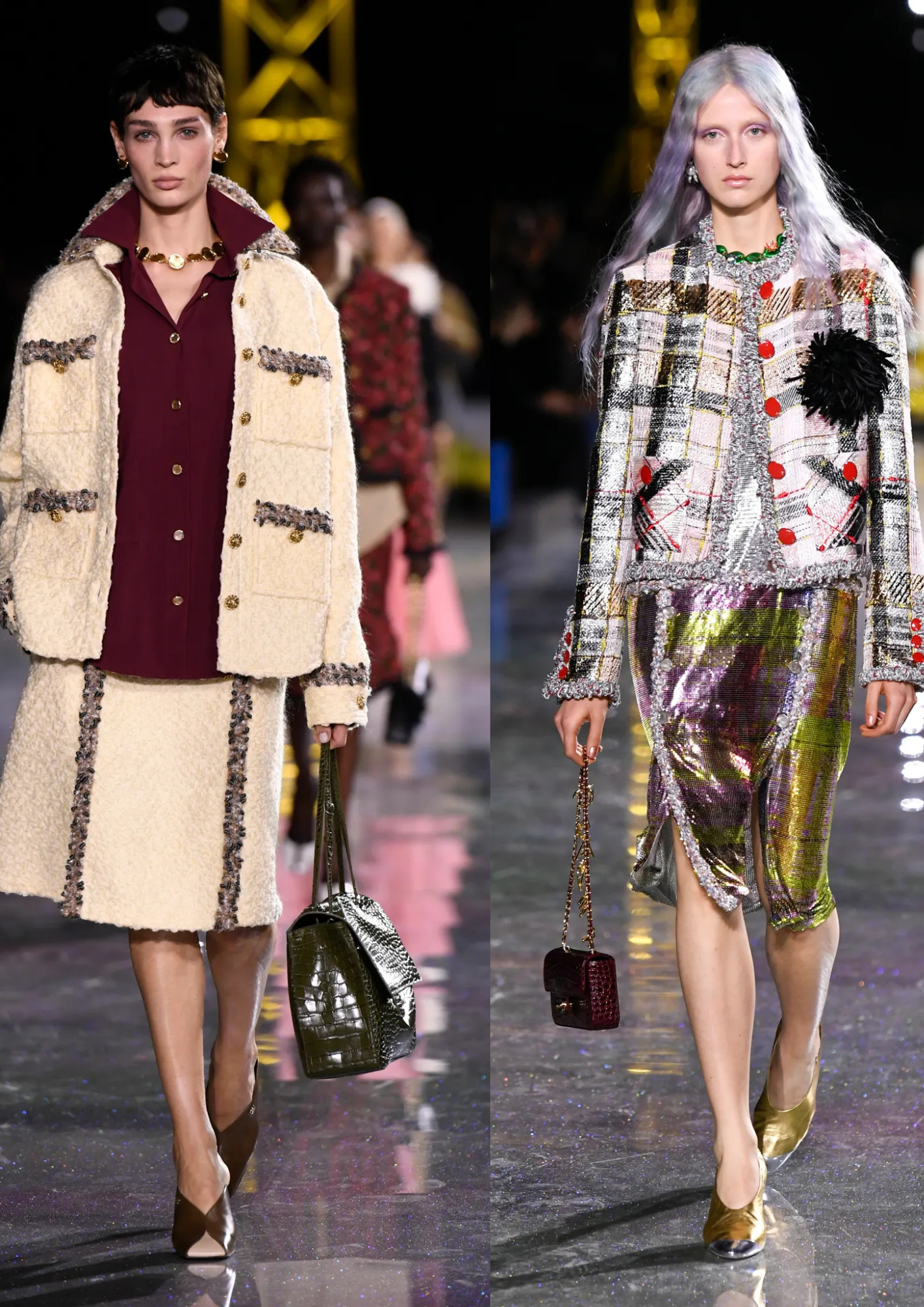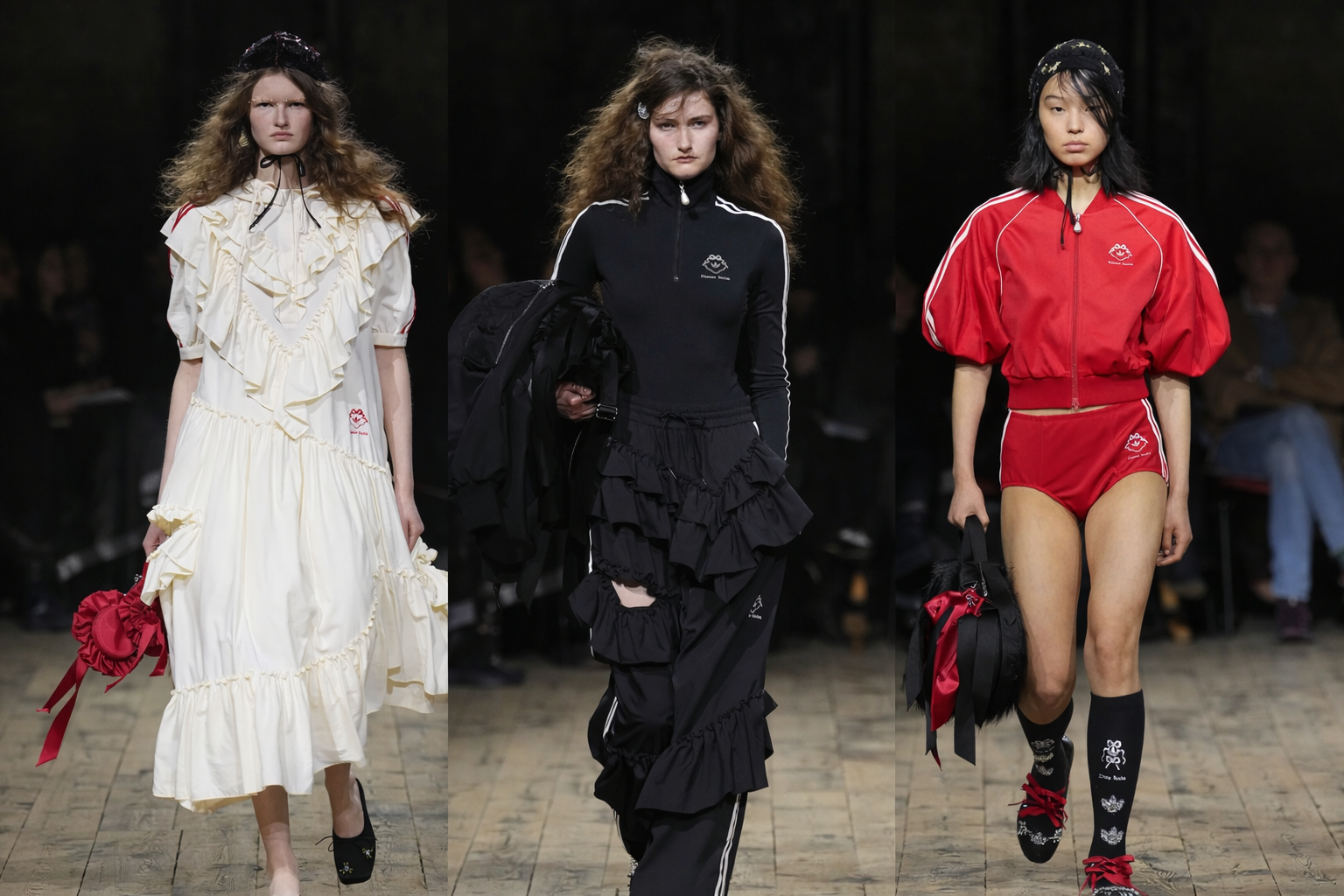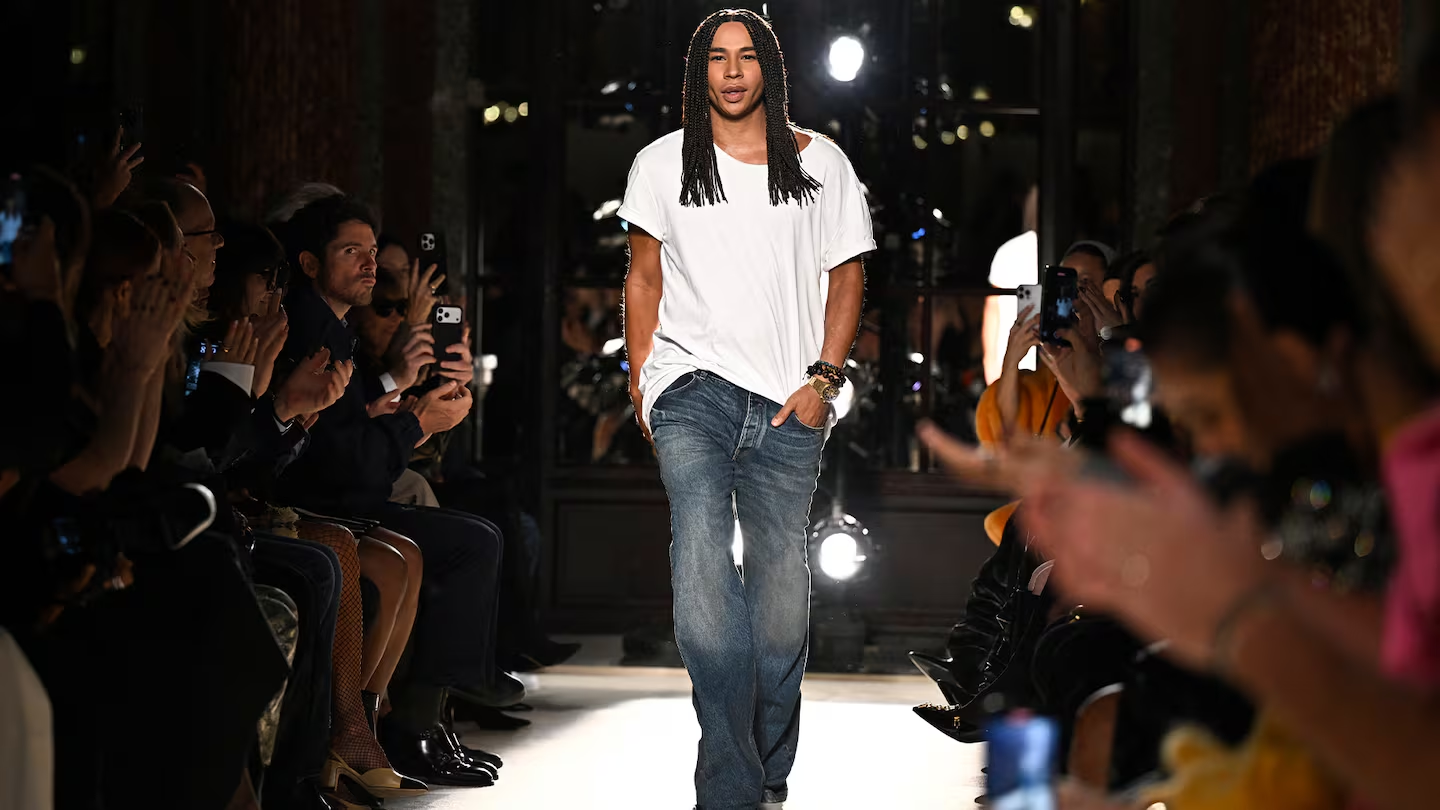
For more than a decade, Olivier Rousteing has been the heartbeat of Balmain. His departure, announced this week, marks the end of a glittering 14-year chapter – one defined by bold silhouettes, celebrity culture, and a radical reimagining of what French luxury could look like in the age of Instagram. But what happens when the face of a fashion house steps away? Let’s rewind and unpack the story – and what it means for brands navigating life after a visionary leaves.
The Rise of Olivier Rousteing: A Modern Fashion Prodigy
When Olivier Rousteing took over as creative director of Balmain in 2011, he was just 25 years old, one of the youngest to ever hold such a title at a major Parisian house, and notably, the first Black designer to lead Balmain. He joined the brand in 2009, working under Christophe Decarnin, before taking the reins and steering it into the digital age. Rousteing understood something the industry was just beginning to grasp: fashion was no longer confined to runways – it was a conversation happening in real time, online.
From the beginning, he set out to modernise Balmain’s DNA, – turning it from a traditional couture house into a pop-culture phenomenon. The result? The Balmain Army: a tribe of celebrities and influencers including Rihanna, Beyoncé, Kim Kardashian, and models like Jourdan Dunn and Joan Smalls, all united under Rousteing’s signature aesthetic of strength, sensuality, and unapologetic glamour.
Defining an Era: The Balmain Look
Under Rousteing, Balmain became synonymous with power dressing-sharp shoulders, sculpted tailoring, metallic embroidery, and body-hugging silhouettes that celebrated form and confidence. His ornate, military-inspired jackets defined his early collections and became instantly recognisable and endlessly copied. Beyoncé’s custom couture gowns, including her dazzling black-and-gold Met Gala look, became defining moments of his tenure. His 10th-anniversary collection in 2021 reflected his personal journey of healing and resilience after surviving a fire – a deeply human moment that showed the man behind the glamour.
Rousteing merged couture craftsmanship with the energy of pop culture. Balmain’s runways became performances; its campaigns, viral moments. He built not just collections but communities—and in the process, turned a heritage house into a modern powerhouse.
The Departure: End of an Era, Beginning of a Transition
After 14 years at the helm, Rousteing’s exit represents both a challenge and an opportunity for Balmain. His aesthetic is woven into the brand’s modern identity – so much so that many can’t imagine Balmain without him. But change, while disruptive, can also be renewal.
Balmain will now face key questions: Can it evolve without losing its essence? Who will shape its next chapter? And how will it maintain the loyalty of the “Balmain Army” that Rousteing built? In its statement, the house praised his “visionary approach” and “creative brilliance” , – acknowledging that he lifted Balmain to unprecedented global relevance. Still, the next step will test how much of the brand’s power lies in Rousteing’s personal magnetism – and how much in its legacy.
Beyond Balmain: What Brands Can Learn from This Moment
Rousteing’s departure underscores a broader truth: fashion houses are ecosystems – not just one person’s vision. Yet when that person becomes synonymous with the brand, transitions can shake both identity and consumer confidence. So, how can brands retain designers – or gracefully evolve when they leave?
First, retention works best through partnership, not hierarchy. Designers thrive on creative freedom. Houses that treat them as co-authors, not just employees, often foster longer relationships and fresher ideas. Second, planning succession early is crucial. Just as in business, creative leadership transitions need foresight. Having emerging designers or internal teams groomed for future roles builds continuity and stability.
Third, brands must honor legacy while evolving. When a designer leaves, a house should celebrate their era while re-framing what’s next – communicating clearly to customers that evolution doesn’t mean erasure. Finally, keeping customers emotionally connected is essential. Loyalty isn’t only about clothes – it’s about community. Balmain’s “army” shows how engagement builds identity. Post-departure, storytelling becomes critical: involve customers in the brand’s next chapter.